The Hidden Dangers Of Ivy On Your Home Exterior
While climbing ivy can give a property a charming, historic appearance, it poses a severe threat to a building's exterior envelope. Property owners must balance landscaping aesthetics with fundamental building science. When left unchecked, climbing vines act as a sponge against the house, trapping moisture, blocking sunlight, and aggressively seeking out weak points in the structural facade. Protecting your home requires strategic vegetation management to maintain the integrity of the exterior cladding.
How Trapped Moisture Destroys Wood Cladding
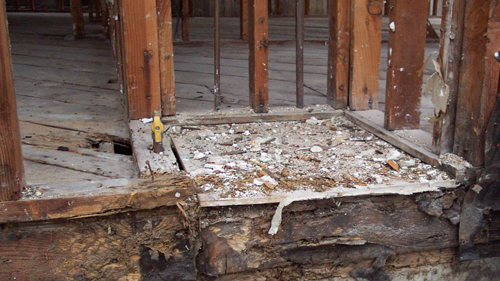
One of the primary functions of exterior siding is to shed water and dry quickly. Heavy vines completely disrupt this process. Ivy provides dense shade and traps dew and rainwater against the walls. For homes with wood-based cladding, such as plywood siding, this constant dampness is catastrophic. When the bottom edge of wood siding remains perpetually wet and shielded from the sun, the material will eventually buckle, warp, and fall victim to fungal decay. While masonry materials like brick or stucco may tolerate this moisture slightly better than wood, they are not immune to the long-term degradation caused by continuous dampness.
The Threat Of Invasive Roots In Building Cavities
Beyond surface moisture, the aggressive growth habits of climbing vines create hidden structural hazards. Ivy vines relentlessly seek out gaps, cracks, and crevices. It is incredibly common to find invasive roots forcing their way into exterior electrical boxes, creating serious safety hazards. Left unmanaged, these plants will penetrate through exterior walls and continue growing straight into the attic space. Once vines breach the weather-resistant barrier, they provide a direct highway for bulk water intrusion into the wall cavities, leading to interior rot and mold.
Establishing A Preventive Maintenance Strategy
The most effective defense against vegetation-related structural damage is proactive clearance. By creating a dedicated buffer zone between the landscaping and the exterior walls, property owners allow the siding to breathe and dry as intended by the manufacturer. This simple landscaping rule significantly reduces the risk of long-term structural decay and costly siding replacement.
Three Key Tips
Maintain a minimum 12-inch vegetation barrier between climbing vines and your exterior siding to allow for adequate airflow, moisture evaporation, and visual inspections.
Inspect the bottom edge of wood and plywood siding regularly for signs of buckling or swelling, which indicates that the material is failing to dry properly due to trapped landscaping moisture.
Check all exterior wall penetrations, including electrical boxes, utility meters, and HVAC conduits, to ensure invasive roots have not compromised the weather seals or entered the housings.
Bonus Questions And Answers
While understanding the immediate risks to exterior cladding is crucial, property owners often have deeper concerns regarding how climbing plants interact with other building materials and structural systems.
Are There Safe Alternatives To Climbing Ivy For A Green Exterior?
Yes, if you desire the aesthetic of a green wall, installing a freestanding trellis anchored securely away from the primary structure is the best practice. By placing a heavy-duty trellis 12 to 18 inches away from the home, you maintain the necessary air gap required by standard building codes for the weather-resistant barrier to dry properly. This prevents direct root attachment to the building envelope while still providing vertical landscaping.
Can Climbing Vines Interfere With Roof Ventilation?
Absolutely. When vines are permitted to grow up to the roofline, they frequently penetrate and block the exterior soffit vents. The International Residential Code requires a specific net free ventilating area for enclosed attics and enclosed rafter spaces to prevent moisture accumulation. When vines choke these intake vents, the attic cannot properly cross-ventilate, which often leads to severe condensation, wood rot in the roof decking, and premature roofing material failure.
Do Vines Attract Pests Into The Building Envelope?
Yes, dense vegetation growing directly against siding creates a protected bridge for pests to bypass foundation barriers. Termites, carpenter ants, and rodents can use the hidden, shaded structure of the vines to access the wood framing beneath the cladding. Keeping a clear 12-inch physical gap interrupts this pathway and allows homeowners to clearly spot pest mud tubes or insect activity before those pests breach the interior wall cavities.