How To Safely Remove Tree Roots Under A Foundation Footing
Large trees planted too close to a house can spell disaster for its structural integrity. When roots migrate beneath a foundation, they exert immense pressure that can lift the concrete. Conversely, as these roots drain moisture from the surrounding soil, or if they die and decay, they create voids that cause the footing to sink. This continuous shifting often manifests as drywall cracks along the interior walls of a home. Addressing invasive roots promptly is essential to halting foundation movement and preventing catastrophic structural failure.
Assessing The Root Damage And Excavation Risks
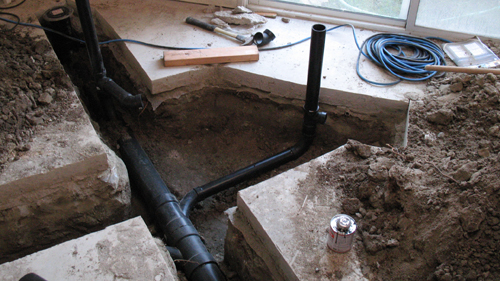
Whenever you begin digging around a foundation, you must proceed with extreme caution. It is not uncommon to unearth forgotten obstacles, such as old concrete fence post footings, which must be carefully cleared away to access the problematic root system. More importantly, excavating beneath a load-bearing foundation footing is inherently dangerous. Removing the soil that supports the concrete removes its bearing capacity.
To mitigate the risk of a foundation collapse, never undermine a large section of the house at one time. If a root runs parallel beneath a long stretch of concrete, it is critical to work in small, controlled sections of less than three feet. Excavating, cutting the root, and properly backfilling a small area before moving on to the next ensures the foundation remains supported throughout the process. If undermining the footing makes you uncomfortable, an alternative is to simply sever the root at the exterior perimeter to separate it from the main tree, though this still leaves organic matter to decay beneath the house.
The Best Tools For Cutting Foundation Roots
When cutting through thick, subterranean tree roots, tool selection is critical. While a chainsaw might seem like the fastest option, it is the wrong tool for excavation work. Soil and grit will instantly destroy a chainsaw blade and potentially damage the motor. Instead, a reciprocating saw is the industry standard for this type of rough, dirty work. To preserve the life of your reciprocating saw blades, clear away as much native soil and rocks from the root surface as physically possible before making your cuts.
Proper Backfilling And Compaction Techniques
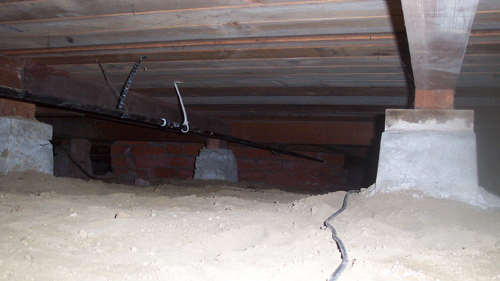
Leaving large, severed roots beneath a footing is a structural hazard. As wood decomposes, a four-inch root will eventually disappear, leaving a four-inch void. When the footing loses contact with the earth, the weight of the house will cause the concrete to crack and settle into that void. Therefore, it is important to extract all thick root sections, though leaving behind tiny, hair-like roots under an inch in diameter is generally acceptable, as their decomposition will not cause significant settlement.
Once the roots are cleared, the excavated area must be carefully backfilled to restore structural support. While sifting native soil through a quarter-inch screen and using water to consolidate it in layers is a traditional DIY method for sandy soils, it does not return the earth to its original, undisturbed compaction rate. For optimal stability, replacing the excavated dirt with imported structural fill, such as angular gravel, and compacting it in tight layers is highly recommended to prevent future settling.
Three Key Tips
Avoid Chainsaws In The Dirt. Always use a reciprocating saw fitted with a coarse wood blade to cut buried roots. Dirt and rocks will instantly dull a chainsaw chain and pose a severe kickback hazard.
Limit Unsupported Footing Spans. Never excavate and expose more than a three-foot section of the underside of your foundation at one time. Removing too much supporting soil at once can cause the concrete footing to crack, drop, or fail entirely under the weight of the home.
Prevent Organic Decay Voids. Always remove the large sections of root that you have cut from beneath the house. If left in place, thick chunks of wood will eventually rot away, creating a dangerous subterranean void that leads to foundation settlement.
Bonus Questions And Answers
Do I Need A Structural Engineer To Assess Tree Root Damage Under My House?
While DIY removal handles the immediate organic threat, you might wonder about the long-term impact on your concrete. Yes, consulting a structural engineer is highly recommended if you notice interior wall cracks or if you must excavate beneath the footing. The International Residential Code requires foundations to bear directly on undisturbed natural soil or engineered fill. An engineer can mathematically determine if the temporary loss of bearing soil has compromised the footing or if formal underpinning is required to permanently stabilize the structure.
What Is The Best Material To Backfill A Void Beneath A Concrete Foundation?
Once the intrusive roots are cleared away, selecting the right material to fill the empty space is critical for lasting stability. While wetting native, sifted soil can achieve minor consolidation, building codes heavily favor mechanical compaction and specific aggregate bases. The best practice is to pump controlled low-strength material, often called flowable fill, into the void. Alternatively, you can backfill in shallow lifts using three-quarter-inch minus crushed gravel, compacting each layer mechanically. The angular edges of the gravel lock together, providing a stable, non-settling base that mimics the bearing capacity of undisturbed earth.
How Far Away From A House Foundation Should A Large Tree Be Planted?
To prevent these excavation projects from becoming necessary in the first place, proper landscaping distance is essential. A standard rule in building science and residential landscaping is to plant trees at a distance equal to their anticipated mature canopy width, or at minimum, fifteen to twenty feet away from the foundation. This buffer zone ensures that the expanding root system does not encroach on the concrete footings and prevents the tree from drastically altering the moisture content of the soil directly supporting the home.