Essential Post-Concrete Pour Steps: Pipe Protection and Tool Cleanup
Completing a concrete pour is a major milestone in any construction or renovation project. Once the slab is placed and finished, it might seem like the hard work is over. However, the immediate post-pour phase requires crucial job site maintenance steps that protect both your building's indoor environmental quality and your equipment investment.
Protecting Open Waste Lines from Sewer Gases
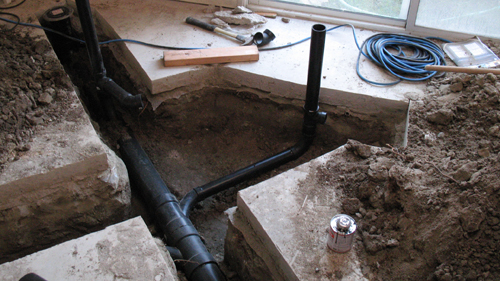
Immediately following a pour, exposed plumbing rough-ins and stub-outs must be addressed. Pipe openings connected to a municipal sewer system or septic line provide a direct path for sewer gases to travel back into the home or structure. Sewer gas contains methane, hydrogen sulfide, and other compounds that pose serious health risks and unpleasant odors.
To maintain a safe work environment and prevent air contamination, all exposed pipes should be temporarily sealed. Applying heavy-duty tape, expansion plugs, or dedicated pipe caps over every open stub-out stops sewer gas infiltration until fixture trim-out takes place.
Prompt Equipment and Tool Maintenance
Another time-sensitive task following a pour is equipment cleanup. Cement-based mixtures begin their hydration process quickly, and residual material left in wheelbarrows, concrete mixers, or hand tools will harden into a stubborn mass. Cleaning wheelbarrows and tools immediately with water before the concrete sets prevents permanent buildup, preserves the equipment, and saves significant repair time down the road.
Taking a few disciplined steps right after the slab is completed ensures a cleaner, safer job site and protects the overall structural integrity of the project moving forward.
THREE KEY TIPS:
Seal All Exposed Plumbing Stub-outs Immediately: Use rubber test caps, mechanical expansion plugs, or durable tape to seal all exposed pipe ends connected to sewer or vent systems. This simple step prevents harmful sewer gas from entering the structure and protects open lines from debris dropped during ongoing construction.
Clean Concrete Tools Before Initial Set: Thoroughly rinse and scrub wheelbarrows, trowels, and mixers immediately after use. Removing residual concrete before the hydration process cements it to metal or plastic surfaces preserves tool performance and eliminates costly equipment damage.
Keep Concrete Hydrated During Curing: Avoid rushing to work directly on top of freshly poured concrete. Allow proper curing time under moisture-retentive covers or wet burlap according to code guidelines to ensure the slab reaches its full structural design strength.
BONUS QUESTIONS AND ANSWERS:
Why must temporary pipe caps or test plugs withstand pressure testing according to residential plumbing codes?
Under the International Residential Code (IRC) Section P2503, drainage, waste, and vent (DWV) piping systems must undergo a rough-in water or air pressure test before wall framing or slabs cover the installation. Temporary plugs or caps must seal tight enough to maintain a minimum 10-foot head of water pressure (or a 3 psi air test for plastic piping) to verify that all solvent-cemented or mechanical joints are completely leak-free before the system is placed into service.
What structural reasoning dictates how plumbing pipes pass through a concrete slab foundation?
According to IRC Section P2603.4, plumbing pipes passing through concrete footings or foundation walls must be protected against corrosion and mechanical friction caused by structural settling or concrete expansion. Code requires placing a protective sleeve typically two pipe sizes larger than the supply or waste line or wrapping the pipe in a flexible, resilient material where it passes through the concrete. This isolation allows minor structural movement without cracking the pipe or shearing the joint.
Why are P-traps required under fixtures, and what building code principle prevents them from drying out during long construction delays?
International Plumbing Code (IPC) Section 1002 mandates that every plumbing fixture be equipped with a liquid-seal trap (P-trap) holding between 2 to 4 inches of water to act as a barrier against sewer gas. During extended construction phases or period of disuse, water inside the trap can evaporate, compromising the gas seal. Building codes address this by requiring approved trap seal primers or barrier-type devices on floor drains and infrequently used traps, ensuring a continuous water seal prevents hazardous gas infiltration into living spaces.