UPGRADING YOUR SLAT FENCE FOR ANIMAL CONTROL
Homeowners often construct fences to establish property boundaries, enhance privacy, and control who or what enters the yard. However, existing fences with widely spaced slats frequently fail to contain small pets or keep out unwanted wildlife. Rebuilding an entire fence is a costly and labor-intensive process, but there is a highly effective retrofitting technique that solves this problem without requiring a complete teardown.
THE CHALLENGE OF WIDE FENCE GAPS
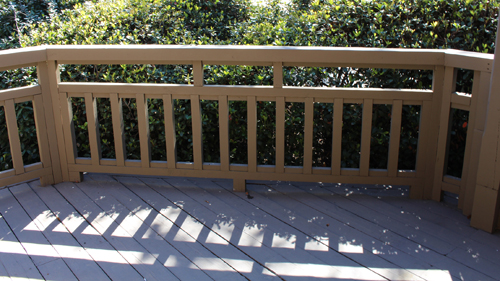
Standard slat fences are sometimes built with gaps ranging from three to eight inches between the vertical boards. While this provides adequate ventilation and a pleasing aesthetic, it creates an open invitation for small animals. Rodents, stray pets, and local wildlife can easily slip through these spaces. If your primary goal is to secure the perimeter for a small dog or to prevent local pests from entering your property, standard wide-gap fencing will require structural modification.
RETROFITTING WITH INTERMEDIATE SLATS
Instead of tearing down the existing structure, property owners can install intermediate slats between the primary vertical boards. For example, if your current fence features slats spaced three inches apart, installing a one-and-a-half-inch slat directly in the center reduces the open space on either side to under an inch.
This dimension is small enough to block rats, mice, and other common pests. For fences with larger original gaps, such as six or eight inches, appropriately sized intermediate boards can be fastened to the existing horizontal rails. This method reinforces the barrier, improves privacy, and saves thousands of dollars in lumber and labor costs.
CONCLUSION
Securing your yard does not necessarily require a brand-new fence. By strategically adding intermediate slats to your existing horizontal rails, you can effectively modify the barrier to suit your current needs. This practical construction approach maximizes the lifespan of your original materials while providing immediate relief from wandering pests and escaping pets.
THREE KEY CONSTRUCTION TIPS
Maintain uniform spacing by using a spacer block during installation. Instead of measuring the gap for every single new slat, cut a piece of scrap wood to the exact width of your desired gap. Hold this block against the existing slat to quickly and accurately position the new board.
Ensure adequate ground clearance to prevent moisture damage. When adding intermediate slats, keep the bottom edge of the new wood at least two inches above the soil or grass. Wood in direct contact with the ground wicks up moisture, leading to accelerated rot and termite intrusion.
Use exterior-grade, corrosion-resistant fasteners. Always attach your new slats using hot-dipped galvanized or stainless steel screws rather than standard nails. Screws provide superior holding power against wind loads and will not back out over time as the wood expands and contracts with weather changes.
BONUS QUESTIONS AND ANSWERS
To further ensure your fencing project meets both functional and regulatory standards, here are answers to common questions regarding fence construction and building codes.
Question 1: Does Reducing Fence Gaps Affect Wind Load And Structural Integrity?
Adding more slats to a fence reduces the amount of air that can pass through the structure, which essentially turns the fence into a solid sail. Under the International Building Code, fences are subject to wind load requirements based on their surface area. When you fill in the gaps of a fence, you increase the dead load (the weight of the wood) and the wind load (the force of the wind pushing against the boards). Before adding a significant number of slats, ensure your existing fence posts are not rotting and are buried deeply enough (typically one-third of the post length) in concrete to withstand the increased lateral forces.
Question 2: Are There Building Code Requirements For Fence Gap Spacing?
For standard boundary fences, the International Residential Code generally does not dictate maximum gap spacing. However, if your fence also serves as a barrier for a swimming pool, strict regulations apply. According to standard pool barrier codes, horizontal gaps or vertical openings in the fence must not allow the passage of a four-inch diameter sphere. This rule ensures that small children cannot slip through the fence. If you are retrofitting a pool fence, any intermediate slats you add must reduce the gaps to less than four inches to remain code-compliant.
Question 3: Do I Need A Permit To Add Slats To My Existing Fence?
Routine maintenance and minor repairs to an existing fence generally do not require a building permit under standard building codes. However, local jurisdictions frequently amend these rules. If your modification increases the overall height of the fence beyond local limits (commonly six feet for backyards and three to four feet for front yards), or if the added weight requires you to dig new structural footings, a permit may be triggered. Always verify your specific municipal zoning and building guidelines before beginning your retrofitting project.