EXPANDING FOAM VS. CONCRETE FOR FENCE POST INSTALLATION
When it comes to setting fence posts, choosing the right anchoring material is critical for the longevity and stability of your fence. For decades, concrete has been the undisputed standard. However, polyurethane expanding foam has emerged as a popular alternative, promising faster installation times and easier handling. Understanding the structural capabilities, cost differences, and specific application limits of each material will ensure your fencing project remains secure for years to come.
THE CASE FOR CONCRETE: RELIABILITY AND COST
Concrete is a time-tested material in the construction industry. From a structural standpoint, it provides undeniable mass and compressive strength, keeping posts rigid against lateral loads. One of the primary advantages of concrete is its cost-effectiveness. When comparing the volume yielded per dollar, concrete is significantly more affordable than expanding foam. A standard 60-pound bag of concrete yields roughly half a cubic foot of volume for a fraction of the cost of a foam kit.
Additionally, concrete allows for precise volume control. If a post hole requires just a little more material to reach the proper grade, you can easily mix small, specific batches. Fast-setting concrete mixes also cure rapidly, often hardening in less than an hour, allowing construction to proceed without long delays.
THE CASE FOR EXPANDING FOAM: SPEED AND CONVENIENCE
Expanding foam excels in labor reduction and ease of use. A standard two-part foam mix can be prepared and poured in under two minutes, expanding rapidly to fill the post hole. This drastically reduces the physical labor and time involved in setting multiple posts.
The most significant advantage of foam is its weight. Transporting 60-pound bags of concrete across sloped terrain, deep into a forested lot, or up a steep hill is physically exhausting and sometimes impossible. Expanding foam comes in highly portable, lightweight packages, making it the superior choice for remote, uneven, or difficult-to-access property lines.
LIMITATIONS AND STRUCTURAL CONSIDERATIONS
While foam is highly convenient for standard wood fences, it has strict limitations. Expanding foam is not recommended or designed for load-bearing structural footings, such as decks, basketball poles, or flagpoles. For high-wind areas or fences exceeding standard heights, the heavy dead-weight of concrete is typically required to anchor the posts safely against heavy wind loads.
Furthermore, expanding polyurethane foam is highly buoyant. In areas prone to heavy flooding or hurricanes, foam footings have been known to float upward out of saturated ground. Environmental factors also impact foam during the storage phase; it must be kept at moderate temperatures, as freezing conditions can cause the chemical components to fail, resulting in a loss of expansive volume.
CONCLUSION
The choice between foam and concrete ultimately comes down to your project budget, physical capabilities, and the structural demands of the fence. While expanding foam offers incredible speed and convenience for standard residential fencing, concrete remains the most cost-effective and structurally robust choice for heavy-duty applications and challenging weather environments.
THREE KEY TIPS
Securely brace your posts before pouring. Expanding foam exerts pressure as it cures and can easily push an unsecured post out of plumb, or even lift it off the bottom of the hole. Always brace the post firmly in two directions before adding your anchoring material.
Shape the top of your footing to shed water. Regardless of whether you use concrete or foam, you must prevent water from pooling at the base of the wood post. Once the material has cured, shape or cut the top on an angle so water drains away from the wood, preventing premature rot.
Verify storage temperature requirements. If you are using expanding foam, check the manufacturer instructions regarding climate control. Storing the product in freezing temperatures can ruin the chemical reaction, resulting in a failed pour when you are ready to build.
BONUS QUESTIONS AND ANSWERS
To further assist you in planning your fencing and outdoor structural projects, here are answers to a few common questions regarding building codes and foundational best practices.
HOW DEEP DO FENCE POSTS NEED TO BE BURIED IN FREEZING CLIMATES?
If you live in a region that experiences harsh winters, you must dig your post holes so the bottom sits below the local frost line. According to the International Residential Code (IRC), footings must extend below the frost depth to prevent frost heave. When groundwater freezes, it expands and pushes upward. If your concrete or foam footing does not sit below this freezing soil layer, the expanding ice will slowly push your entire fence post out of the ground over time.
CAN I USE EXPANDING FOAM FOR MY BACKYARD DECK FOOTINGS?
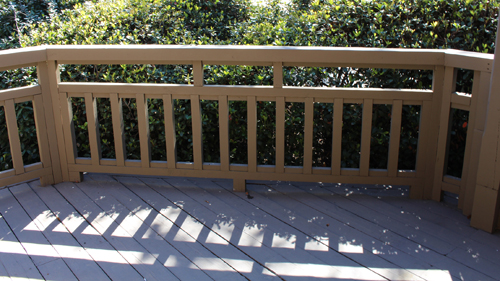
No, expanding foam cannot be used for load-bearing deck footings. The International Residential Code specifically mandates that deck footings must be made of solid concrete (usually requiring a minimum compressive strength of 2,500 PSI) or an approved structural equivalent. Decks must support heavy live and dead loads, and polyurethane foam simply does not have the compressive strength or the mass required to safely support a building structure or prevent it from sinking or shifting.
DOES THE SOIL TYPE AFFECT MY CHOICE BETWEEN CONCRETE AND FOAM?
Yes, the density and type of your native soil play a major role in how well your fence will stand up to wind. Concrete provides dead-weight mass, which helps anchor a post even in looser, sandy soils. Expanding foam relies entirely on its ability to adhere to the soil walls and the friction of the surrounding earth to stay upright. In highly loose, sandy, or marshy soils, the lightweight nature of foam makes it more susceptible to leaning under high wind loads, making concrete the safer, universally accepted standard for poor soil conditions.