HOW TO PREVENT AND REPAIR WARPED FENCE CAPS AND GUARDRAILS
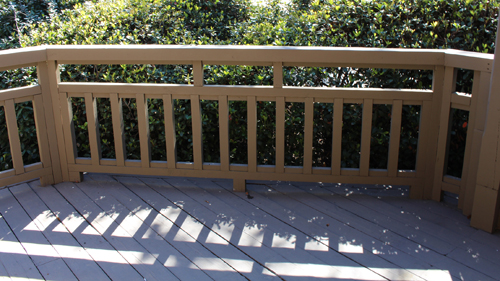
A common challenge when constructing or maintaining exterior wooden structures is the tendency for flat-laid lumber to twist, warp, and lift at the joints. Whether you are installing a top cap on a standard property fence or finishing a structural guardrail, lumber dimensions like 2x4, 2x6, or 2x8 are highly susceptible to deformation over time.
When adjacent boards warp in opposite directions at a butt joint, it creates an uneven surface. This is not just an aesthetic issue; it poses a significant safety hazard. For structures like deck guardrails where people regularly slide their hands, an uplifted board edge can easily cause hand injuries or snag clothing. Furthermore, these separated joints create entry points for moisture, accelerating deterioration.
THE IMPORTANCE OF MINIMIZING JOINTS
The most effective strategy to prevent warped joints is to eliminate as many joints as possible during the design and material procurement phase. The fewer breaks you have in a rail, the fewer opportunities there are for the wood to twist and separate.
When planning your material list, always opt for the longest continuous span of lumber available that fits your project. If you are building a 16-foot rail, source a single 16-foot board rather than piecing together two 8-foot sections. For a 40-foot fence line, installing two 20-foot boards is structurally superior to using four 10-foot boards. Strategic lumber sizing is the first line of defense against future warping.
PROPER FASTENING TECHNIQUES
Many warped caps are the result of inadequate fastening. A joint secured with only two nails placed near the edges is highly vulnerable to the natural twisting forces of drying wood. Nails have lower withdrawal strength compared to threaded fasteners and can slowly back out as the wood expands and contracts with seasonal moisture changes.
To properly secure a rail cap, use high-quality exterior-grade screws during the initial construction. Screws provide the necessary holding power to resist the wood's tendency to cup and twist. Ensure fasteners are driven deeply enough to anchor into the underlying framing, not just superficially into the top of the post or rail.
REPAIRING EXISTING WARPED SECTIONS
If you are dealing with an existing fence or rail that has already warped, the repair process requires careful assessment. Before attempting to force the boards back into alignment, thoroughly clean out the gap. Debris, dirt, and organic matter frequently accumulate in open joints, making it impossible to pull the boards flush.
Once the joint is clean, use a heavy-duty C-clamp to slowly draw the two boards back into alignment. When the surface is flush, secure the joint with heavy-duty exterior screws.
ADDRESSING ROT AND SEVERE DAMAGE
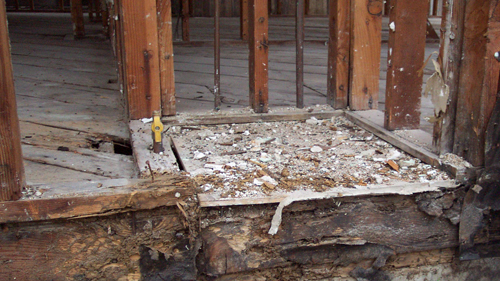
In cases where the joint has been open for an extended period, you must inspect the wood for rot or termite damage. Water pooling in the open gap often destroys the underlying framing. If the supporting structure is compromised, driving new screws into it will not hold.
For moderate damage, you may need to replace the localized underlying framing before reattaching the cap. For severe damage, the best solution is to cut out the affected section entirely. Measure a precise distance on either side of the damaged joint, remove the rotting wood, and splice in a brand-new section of lumber, ensuring it is properly sealed and fastened.
THREE KEY TIPS
Maximize lumber length: Always calculate your runs to use the longest possible continuous boards, drastically reducing the number of butt joints that can warp or twist.
Upgrade your fasteners: Abandon smooth-shank nails in favor of exterior-grade structural screws to significantly increase withdrawal resistance and hold boards flat.
Inspect prior to forcing repairs: Never force a warped board down without first cleaning out trapped debris and confirming the underlying framing is free of moisture rot and insect damage.
BONUS QUESTIONS AND ANSWERS
To further ensure your exterior structures are safe, compliant, and built to last, it is important to understand the building science behind wood behavior and code regulations.
WHY DO HORIZONTAL WOOD CAPS ROT FASTER THAN VERTICAL FENCE COMPONENTS?
Horizontal surfaces lack the natural drainage of vertical pickets or posts. Water pools on the flat face and slowly absorbs into the wood grain. More importantly, the butt joints where two caps meet expose the end grain of the lumber. End grain acts like a sponge, drawing moisture deep into the cellular structure of the wood through capillary action. This trapped moisture creates the perfect environment for fungal decay to thrive. To prevent this, best practices dictate applying a high-quality end-grain sealer to all cut edges before installation.
CAN I USE A FLAT BOARD AS A HANDRAIL FOR OUTDOOR STAIRS?
While a flat lumber board is perfectly acceptable as a weather cap for a fence or as the top plate of a standard guardrail, it does not meet the International Residential Code requirements for a stair handrail. According to IRC Section R311.7.8, handrails must be graspable so users can firmly wrap their fingers around the rail to prevent a fall. A flat board is too wide for a standard hand to grasp. If your design includes a flat top cap on a stair guard, you must install a separate, code-compliant graspable handrail mounted to the side of the posts.
SHOULD I USE PRESSURE TREATED LUMBER FOR MY FENCE AND GUARDRAIL CAPS?
Yes, for any exterior application exposed to the weather, you should use lumber that is naturally decay-resistant or chemically pressure-treated. Under American Wood Protection Association standards, wood used for fence caps and guardrails should typically meet classifications intended for exterior construction above ground, unprotected from weather. If you use standard untreated framing lumber, it will rapidly absorb water, warp excessively, and succumb to rot within a few seasons, even if painted.