Increase Backyard Privacy Without Building New Fence
MAXIMIZING BACKYARD PRIVACY WITH FENCE HEIGHT EXTENSIONS
Many property owners find that a standard six-foot fence does not provide the desired level of seclusion, especially in elevated neighborhoods or densely populated areas. Instead of tearing down an existing barrier to construct a taller one, you can effectively modify your current fence. By extending the height with upper materials, you can significantly improve privacy while maintaining the visual appeal of your outdoor space.
PLANNING YOUR FENCE EXTENSION
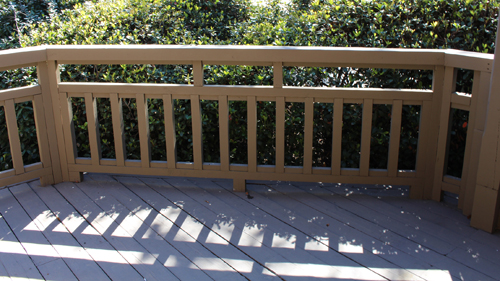
When fences are initially constructed with taller posts that extend beyond the primary fencing panels, adding a top tier becomes a straightforward process. These extended posts provide the necessary structural framework to seamlessly attach upper features. If your current fence posts are flush with the top rail, extending them securely is required before adding any elevated materials to ensure the addition is structurally sound.
MATERIAL OPTIONS FOR HEIGHT AND PRIVACY
While traditional wood or vinyl lattice is the most common choice for fence toppers, allowing light and air to filter through while obscuring direct sightlines, other materials can be utilized based on your privacy needs. For complete visual blocking, solid materials like exterior-grade plywood strips or matching fence pickets can be installed. It is important to remember that solid materials behave differently in the elements, changing the structural demands on your overall fence framework.
CONCLUSION
Extending your fence is a practical approach to upgrading your outdoor living space and securing your property line. By evaluating your existing post structure and choosing the appropriate materials, you can create a custom privacy solution that perfectly suits your home.
THREE KEY TIPS
Utilize extended fence posts: If you are building a new fence or replacing posts, leave the wooden or metal posts extending past the main six-foot height to easily accommodate future lattice or privacy additions.
Select the appropriate topping material: Choose open lattice for partial visibility and healthy airflow, or opt for solid materials like plywood strips or extra fencing panels for total seclusion.
Adapt to your existing structure: If your fence was not originally designed with extended posts, you must correctly and structurally reinforce the top rails and post extensions to support the additional privacy materials safely.
BONUS QUESTIONS AND ANSWERS
While extending a fence is a highly effective way to gain privacy, it is crucial to understand the structural and legal requirements before starting your project. Here are a few critical questions regarding fence extensions and building codes.
How close to the property line can I legally install a boundary fence?
Always check your local zoning codes before digging. Many municipalities allow boundary fences to be built exactly on the property line, but some require a "setback" of 2 to 12 inches inside your property. Never rely on an existing fence or a neighbor's word to determine the boundary always pull the official plat map and hire a surveyor to mark the exact line to avoid costly legal disputes later.
Does the "good side" of the fence have to face my neighbor?
In many jurisdictions, yes. Building codes often dictate that the finished side (the side without visible rails or posts) must face outward toward the neighbor or the street. If you want a fence that looks identical from both sides preventing any "bad side" arguments a shadowbox design is an excellent structural and aesthetic solution.