THE IMPORTANCE OF RESIDENTIAL PERIMETER FENCING FOR PROPERTY SECURITY
Leaving a residential backyard entirely open exposes the property to unpredictable risks, ranging from severe weather damage to intentional vandalism. When outdoor features, such as heavy patio furniture, are found inexplicably damaged or overturned, the absence of a secure boundary makes it difficult to determine the exact cause. Establishing a defined perimeter is a fundamental step in safeguarding a home.
DIFFERENTIATING WEATHER EVENTS FROM VANDALISM
Without a secure fence, a property lacks a critical line of defense. While strong wind gusts can occasionally overturn outdoor tables and chairs, catastrophic, localized destruction often points to human interference. An open backyard invites unauthorized foot traffic, leaving valuable assets exposed. By enclosing the space, homeowners can better assess whether property damage was the result of extreme weather or an intentional act.
THE SECURITY BENEFITS OF A CLOSED PERIMETER
Installing a structurally sound fence with lockable access points immediately upgrades residential security. If a yard is properly enclosed and the gates remain locked, homeowners can confidently rule out casual trespassing when assessing unforeseen property damage. This controlled access transforms an exposed parcel of land into a private, defensible space that deters unauthorized visitors and provides significant peace of mind.
THREE KEY TIPS
Install a continuous perimeter fence to serve as the primary physical barrier against unauthorized property access and potential vandalism.
Equip all pedestrian and vehicle gates with reliable locking mechanisms to ensure the backyard remains a verifiable secure zone when unoccupied.
Anchor lightweight outdoor fixtures or position them behind structural windbreaks to mitigate the risk of damage from sudden, high-velocity wind gusts.
BONUS QUESTIONS AND ANSWERS
To further understand the structural and legal requirements of property enclosures, consider these common technical questions regarding residential fencing.
What Are The Maximum Height Allowances For Residential Boundary Fences?
While specific height limits heavily vary by local municipal zoning ordinances, the International Residential Code generally allows standard privacy fences up to six feet in height without requiring a specific structural engineering permit. Fences exceeding this height transition into structures that must withstand significantly higher lateral wind loads. This triggers mandatory requirements for deeper footing embedment and engineered post spacing to prevent the taller structure from overturning during severe weather.
How Do Building Codes Address Wind Loads On Solid Privacy Fences?
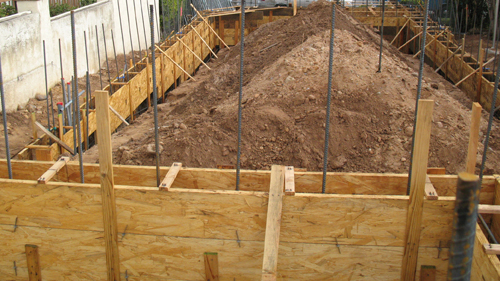
The International Building Code requires freestanding exterior walls and solid fences to be designed to resist lateral wind loads based on local geographic wind speed data. A solid privacy fence captures wind energy that transfers directly to the structural posts. To counteract this stress, universal building standards dictate that post holes must be dug to an adequate depth, often below the local frost line, and set in concrete to provide a sufficient resisting moment against the lateral forces exerted by high winds.
Are There Specific Structural Requirements For Fencing Around Outdoor Swimming Pools?
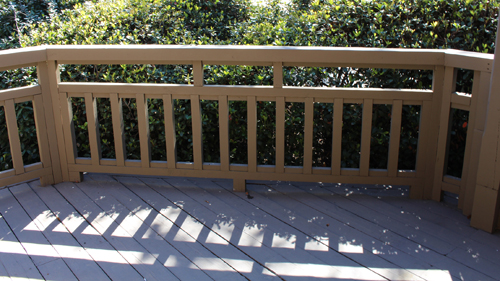
Yes, the International Swimming Pool and Spa Code, which is widely adopted alongside standard residential building codes, mandates strict structural criteria for pool barriers. The enclosure must be at least forty-eight inches tall, with a maximum vertical clearance at the bottom of two inches to prevent small children from crawling underneath. Furthermore, all pedestrian access gates must be self-closing, self-latching, and open outward away from the pool area to establish a secure, fail-safe perimeter.