THE IMPORTANCE OF PROPER DOWNSPOUT PLACEMENT AND SITE DRAINAGE
Proper site drainage is a critical component of residential construction, yet it is frequently overlooked during the final stages of a build. A common indicator of poor quality control is the improper placement of gutter downspouts. When roof runoff is not correctly directed away from the property, it can lead to severe structural and safety issues. Understanding how to properly manage this water flow is essential for property owners, inspectors, and contractors alike.
THE DANGERS OF IMPROPER SOIL DISCHARGE AND EROSION
One of the most frequent errors in exterior drainage is terminating a downspout just short of a concrete splash block or paved surface. When a downspout empties directly onto exposed soil, especially near the top of a sloped area, the concentrated volume of water will rapidly wash away the earth. Over time, this uncontrolled runoff creates severe soil erosion. If this erosion occurs near a foundation or retaining wall, it can easily undermine the structural integrity of the building. To prevent this, downspouts must have a clear, intentional path that guides water safely away from vulnerable soil and slopes.
WHY DRAINING ONTO WALKWAYS IS A MAJOR SAFETY HAZARD
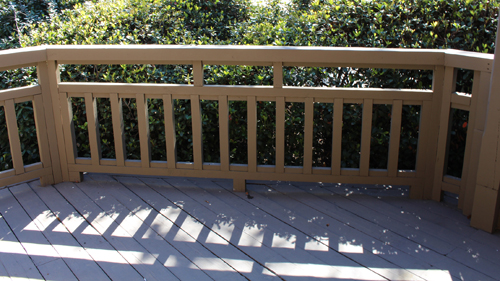
While redirecting water away from soil is important, discharging a downspout directly onto a concrete sidewalk, deck, or exterior stairwell introduces an entirely different set of problems. Although the concrete itself may not erode, a constant flow of water across a pedestrian path creates an immediate slip hazard. This danger is magnified exponentially in regions that experience freezing temperatures. When roof runoff flows onto a cold walkway and freezes, it creates dangerous, invisible layers of ice. Building codes universally prioritize safe egress, and an icy or flooded walkway directly violates the basic principles of property safety.
THE NECESSITY OF A COMPREHENSIVE SITE DRAINAGE PLAN
Every property requires a dedicated site drainage plan to ensure water is managed correctly from the roof to its final collection point. Whether the environment receives heavy seasonal downpours or occasional light rain, water must be purposefully directed. If an existing property lacks a clear drainage strategy, one must be developed. Relying on decorative or poorly planned gutter assemblies will inevitably lead to property damage, landscape destruction, or personal injury.
CONCLUSION
Quality construction relies on finishing every detail, including the exterior water management systems. Property owners and inspectors must diligently verify that all downspouts serve a functional purpose and terminate in safe, appropriate locations. Addressing a poorly routed downspout today can prevent costly structural repairs and serious liability issues in the future.
THREE KEY CONSTRUCTION TIPS FOR DOWNSPOUT PLACEMENT
Always ensure downspouts make positive contact with a splash block, solid drainage pipe, or paved surface that slopes away from the property to prevent localized soil erosion.
Never terminate a gutter downspout where it will discharge water across exterior walkways, stairs, or porches, as this creates significant slip and trip hazards.
Verify that the property has a cohesive site drainage plan so that roof runoff is purposefully routed to a safe collection area rather than randomly dispersed into the yard.
FREQUENTLY ASKED QUESTIONS ABOUT EXTERIOR DRAINAGE
To further expand on the principles of proper stormwater management discussed above, here are a few additional guidelines that dictate safe and effective site drainage.
HOW FAR SHOULD A DOWNSPOUT DISCHARGE WATER AWAY FROM THE FOUNDATION?
According to standard building science and the International Residential Code, the ground immediately surrounding a home should slope away from the foundation at a minimum drop of six inches over the first ten feet. To work in harmony with this grading, gutter downspouts should ideally discharge water at least five to six feet away from the foundation wall. Depositing water too close to the home allows moisture to saturate the backfill soil, which can lead to hydrostatic pressure against the foundation, basement leaks, and eventual structural settlement.
CAN I BURY MY DOWNSPOUT EXTENSIONS UNDERGROUND?
Yes, routing downspouts into buried drainage pipes is an excellent way to keep walkways clear and move water far from the building. However, it is structurally imperative to use solid PVC or solid corrugated piping for the underground run, rather than perforated pipe. If perforated pipe is used too close to the house, it will leak roof runoff directly into the soil next to the foundation, completely defeating the purpose of the gutter system. The underground pipe must also terminate at a pop-up emitter or a dedicated storm drain to prevent water from backing up.
WHAT HAPPENS IF A DOWNSPOUT IS TOO SMALL FOR THE ROOF AREA?
Even if a downspout is placed perfectly, it will fail if it cannot handle the volume of water collected by the roof. Building codes require roof drainage systems to be sized based on the maximum anticipated rainfall intensity for that specific geographic region. If a downspout is too small, water will back up and overflow the gutter edges. This overflow defeats the entire drainage system, dumping concentrated sheets of water directly against the foundation walls and potentially causing moisture intrusion behind the exterior siding.