Managing Stucco Stains From Exterior Pop Outs
When designing or remodeling a home exterior, architectural features like stucco pop-outs, shelves, or decorative bands add visual interest. However, these horizontal projections frequently create an unintended maintenance issue: significant dirt and water staining on the wall surfaces directly beneath them. Understanding why this happens and how to mitigate the visual impact is essential for maintaining a pristine exterior.
The Mechanics Of Stucco Staining
Architectural shelves and protruding trim bands naturally collect airborne dust, debris, and environmental pollutants. When it rains, water pools on these horizontal surfaces and eventually washes over the edge, carrying the accumulated dirt with it. As this dirty water runs down the vertical face of the wall, it absorbs into the porous stucco finish, leaving dark, vertical drip stains. Notably, the wall surface above the projection typically remains clean, clearly isolating the pop-out as the source of the runoff issue.
Strategic Design And Utility Considerations
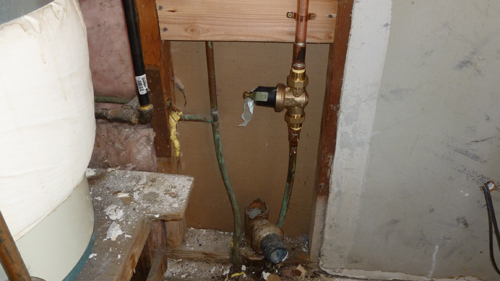
The most effective way to eliminate these stains is to avoid incorporating unnecessary horizontal projections into the initial building design. However, there are practical construction scenarios where a protruding chase or shelf is unavoidable. During structural remodels, contractors frequently build exterior pop-outs to conceal retrofitted gas pipes, electrical conduits, or plumbing lines when running them through the interior framing is structurally or financially unfeasible. When these elements are required, property owners must accept that proactive exterior maintenance will be necessary.
Mitigation Through Paint Selection
If a building already features exterior stucco shelves, or if they are required for utility concealment, strategic paint color selection is the most practical aesthetic defense. Applying bright white or light-colored paint to the stucco directly beneath a horizontal projection guarantees that runoff stains will be highly visible. Instead, choose darker, earth-toned colors for the walls or the specific architectural bands. Selecting a color palette that closely matches the regional soil or dust color will effectively camouflage the inevitable runoff stains, reducing the visual impact between cleanings.
Three Key Tips
Evaluate the necessity of exterior shelves during the design phase to eliminate potential runoff points before construction begins.
Utilize darker, earth-toned exterior paint colors below horizontal wall projections to camouflage inevitable dirt tracks.
Reserve the construction of exterior stucco chases strictly for concealing necessary mechanical, electrical, or plumbing retrofits rather than purely decorative purposes.
Bonus Questions And Answers
To further expand on exterior moisture management, consider these additional insights regarding stucco projections.
What Is The Building Code Requirement For Sloping Stucco Projections?
While flat architectural shelves are common, the International Residential Code Section R703 mandates that the exterior wall envelope must be designed and constructed to prevent the accumulation of water. To achieve this, any horizontal exterior projection should be constructed with a minimum slope to ensure positive drainage away from the wall assembly. Incorporating a slight downward pitch on the top of the foam pop-out prevents water from pooling, which not only reduces the volume of concentrated dirty runoff but also protects the underlying structural materials from moisture intrusion.
When Is Metal Flashing Required Above A Stucco Pop Out?
According to standard building science and the International Building Code Section 1404.4, flashing must be installed at exterior wall intersections and projecting elements to direct water to the exterior. If a stucco plant-on or architectural band is structurally integrated into the framing rather than applied purely as a surface aesthetic over the continuous base coat, proper flashing must be integrated behind the weather-resistant barrier above the projection. This flashing prevents bulk water from migrating behind the stucco casing and causing internal wood rot or structural degradation.
How Does The Type Of Stucco Finish Affect Runoff Staining?
The texture and material composition of the final stucco coat heavily influence how stains develop and how easily they can be cleaned. Traditional cementitious stucco is highly porous and absorbs dirty water deeply, making stains notoriously difficult to wash away. Conversely, acrylic or elastomeric stucco finishes create a more water-resistant, flexible membrane over the wall. While these synthetic finishes still experience surface staining from pop-out runoff, their non-porous nature prevents the dirt from penetrating the material, allowing for much easier and more effective maintenance cleaning.