HOW TO PREVENT COSTLY DAMAGE FROM LEAKING DOOR HINGES
Commercial exterior double doors require regular inspection and upkeep to protect your property's structural integrity and ensure pedestrian safety. A frequently overlooked issue is hydraulic fluid or heavy grease leaking from commercial door hinges or overhead closers down onto the threshold and the surrounding floor. Ignoring this minor mechanical failure can lead to expensive property damage and significant liability risks.
THE HIDDEN RISKS OF HINGE FLUID LEAKS
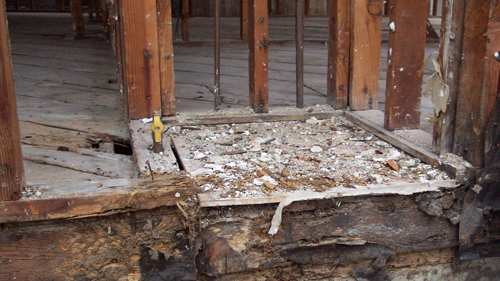
When a commercial door hinge or pivot mechanism begins to lose its lubricant, the fluid naturally migrates downward. The immediate impact is a heavily stained threshold. For wood thresholds, this petroleum-based fluid soaks directly into the wood grain, ruining the paint or finish and causing the wood to fiber-saturate and degrade. If the door threshold is aluminum, the fluid will pool and eventually run onto the adjacent flooring materials.
When this oil reaches a concrete slab, it creates a deep, permanent stain. Concrete is highly porous, and oil quickly wicks deep into the capillary network of the slab. Standard pressure washing or surface wiping will not remove these deep stains; they often require aggressive chemical degreasers or poultice treatments that can strip away surrounding sealants and paint.
SLIP HAZARDS AND PROPERTY LIABILITY
Beyond the aesthetic damage, fluid accumulation on a walkway or threshold creates an immediate safety hazard. Under building safety guidelines, property owners must maintain a safe path of travel. An oily film on an exterior threshold dramatically reduces the coefficient of friction, turning a high-traffic entryway into a major slip-and-fall hazard.
NEGLECTING MAINTENANCE DEVALUES YOUR ASSET
Deferring basic building maintenance rarely saves money. If a leaking door component is ignored, the oil can permanently disfigure the entry area, which negatively impacts curb appeal and property value. Prospective buyers or inspectors will view oil-saturated door jams, ruined thresholds, and stained concrete as indicators of systematic property neglect, potentially derailing a commercial real estate sale. Regularly wiping down components and replacing failing hardware is a fraction of the cost of replacing structural wood framing or remediating contaminated concrete.
THREE KEY MAINTENANCE TIPS FOR COMMERCIAL ENTRYWAYS
Inspect Hinge Mechanisms Weekly: Check the lower hinges and pivot points of high-use double doors for any signs of dark fluid or sticky grease buildup. Catching a leak early prevents the fluid from transferring to surrounding architectural finishes.
Use Proper Concrete Degreasers: If oil touches the concrete, do not use water alone, which will spread the stain. Use an alkaline concrete cleaner or a microbial degreaser designed to break down hydrocarbon chains within the porous concrete matrix.
Replace Failing Hardware Promptly: Wiping away leaked oil is only a temporary fix. A leaking hinge or hydraulic closer indicates failed internal seals, meaning the hardware has lost its dampening control and must be replaced to prevent building damage from door slamming.
BONUS QUESTIONS AND ANSWERS
QUESTIONS AND ANSWERS ABOUT COMMERCIAL ENTRYWAY MAINTENANCE
QUESTION 1: Why do commercial door hinges or closers leak oil in the first place, and what does this mean for the door's operation?
ANSWER: Most heavy-duty commercial hinges, pivots, and overhead door closers utilize internal hydraulic fluid to control the sweeping and latching speeds of the door. Over time, constant cyclic loading, temperature fluctuations, and environmental exposure degrade the internal rubber seals or O-rings. Once these seals fail, gravity forces the hydraulic oil out of the housing. Beyond creating a mess, this loss of fluid removes the mechanical resistance inside the hardware. This causes the door to lose its controlled closing speed, resulting in violent slamming that can damage the door frame, warp the latching hardware, or even shatter the glass panes in commercial storefront doors.
QUESTION 2: What are the building code and safety compliance requirements regarding the maximum force allowed to open an exterior commercial door?
ANSWER: According to the International Building Code (IBC Section 1010.1.3) and the Americans with Disabilities Act (ADA) standards, accessible exterior doors must be properly adjusted to allow easy egress. While the standard maximum opening force for interior doors is strictly capped at 5 pounds, exterior doors are subject to varying local codes due to wind loading demands. However, the universal best practice across jurisdictions is to set exterior door closers between 8.5 to 10 pounds of opening force. If your door hardware is leaking fluid, it cannot maintain these precise pressure calibrations, leading to code violations and severe barriers to entry for disabled individuals.
QUESTION 3: How does oil accumulation on an exterior threshold violate standard building code safety mandates for walking surfaces?
ANSWER: The International Building Code (IBC) and the International Residential Code (IRC) mandate that all walking surfaces along a required means of egress must be maintained in a safe, unobstructed condition. Specifically, walking surfaces must have a slip-resistant texture. Oil or grease leaking onto an exterior threshold fundamentally alters the surface profile, eliminating the slip resistance required for safe passage. Property owners who allow mechanical fluids to pool on an exit path are in direct violation of basic property maintenance codes, exposing themselves to strict municipal citations and severe premises liability lawsuits if a pedestrian slips.