THE HIDDEN SAFETY HAZARD ABOVE YOUR DOORWAYS
When decorating a home, architectural features like transoms, high windowsills, or open wall space above internal doorways often seem like the perfect spots for decorative items. Placing potted plants, heavy picture frames, or ceramic art pieces on a high ledge can elevate the look of a room. However, positioning heavy or unsecured objects directly above a high-traffic opening introduces a structural and safety hazard that many homeowners completely overlook.
HOW DOOR VIBRATIONS LOOSEN OVERHEAD DECOR
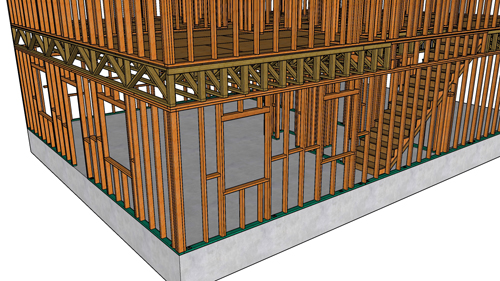
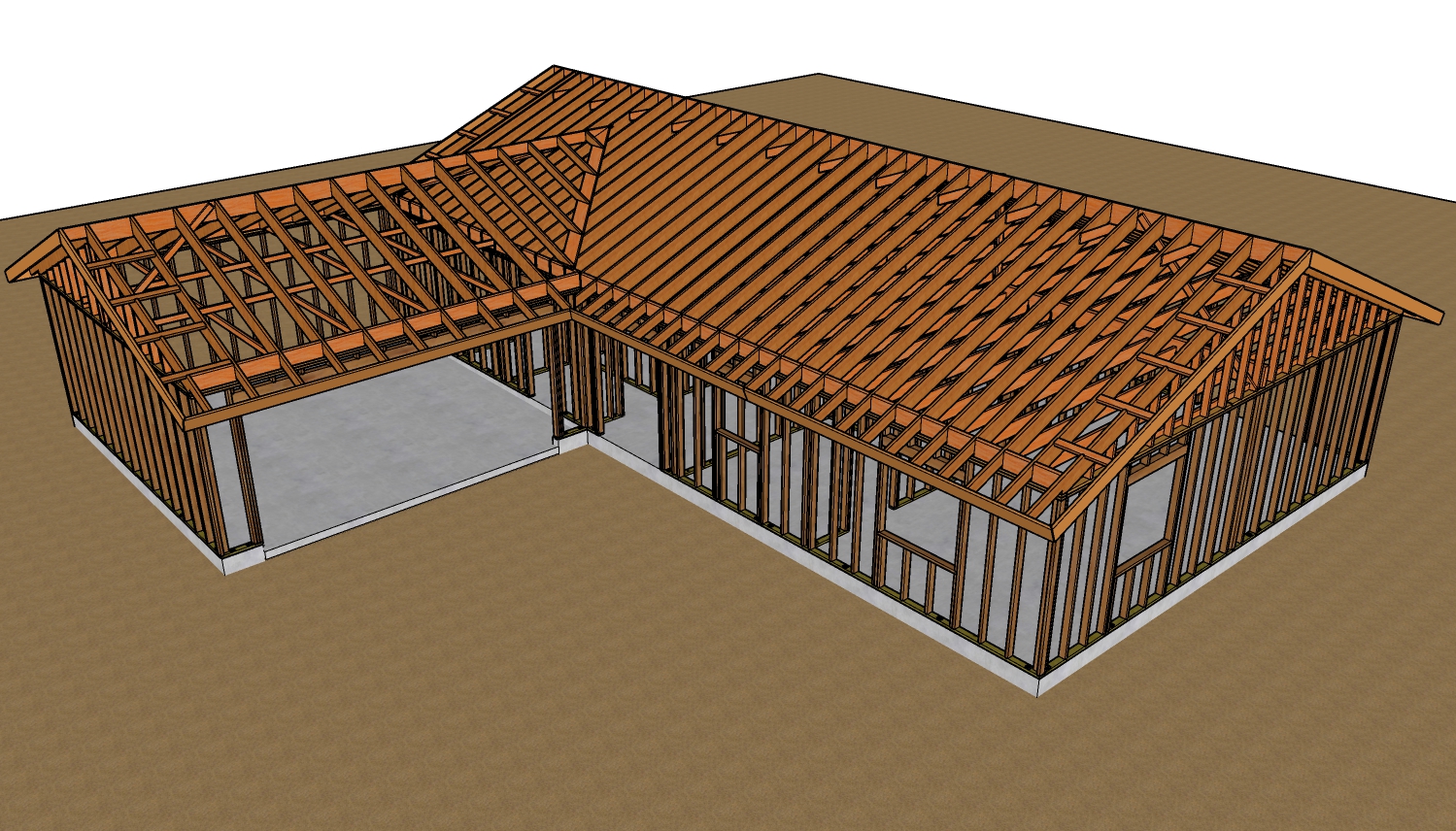
The primary issue with placing items above a doorway is kinetic energy. Every time a door is closed, especially with force or when caught by a draft, it slams against the door jamb. This impact creates a sharp localized vibration that travels straight up through the king studs and trimmer studs, into the structural header, and out across the surrounding drywall and window framing.
While a single door slam might only move an object a fraction of a millimeter, this process is cumulative. Over weeks, months, or years, repetitive vibrations cause unsecured objects to slowly walk across a slick windowsill or shelf. If an object migrates far enough, gravity takes over. Anyone walking through the doorway at that exact moment risks being struck by a heavy falling object. In seismically active areas, even a minor tremor can instantly shake these unsecured items loose.
PRACTICAL STRATEGIES TO SECURE OVERHEAD OBJECTS
If you choose to utilize high ledges or windowsills above doorways for decor, you must take active steps to mitigate the risk of falling objects.
Use Heavy-Duty Fasteners: Never rely on simple gravity or standard picture hooks for items mounted on the wall space directly above a frame. Wall decorations should be anchored securely into structural framing or heavy-duty toggle bolts.
Apply Earthquake Wax or Velcro: For objects sitting on horizontal surfaces like windowsills, use clear museum wax, earthquake gel, or industrial Velcro on the base of the object. These materials absorb vibrations and prevent the item from sliding or walking over the edge.
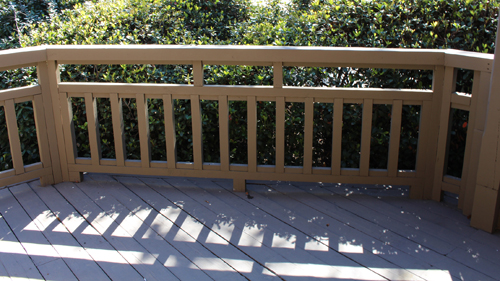
Install a Retaining Lip or Ledge: A highly effective carpentry fix is to install a small wooden retaining strip along the outer edge of the window stool or sill. Secure this guard rail using finish nails or strong adhesive to create a permanent physical barrier that prevents items from sliding forward.
Ultimately, the best practice for home safety is to keep high-traffic thresholds clear of heavy, loose objects. By understanding how daily vibrations affect your home framing, you can design a space that is both beautiful and structurally safe.
THREE KEY TIPS FOR OVERHEAD DECORATION SAFETY
Secure Free-Standing Items with Adhesives: Always apply a non-damaging adhesive like museum gel or earthquake wax to the bottom of vases, frames, or collectibles placed on high shelves or windowsills near doors to absorb daily impact vibrations.
Install Physical Guard Rails on High Ledges: Prevent items from walking off edges by fastening a small, solid wood molding or retaining strip to the front of a high shelf or windowsill, creating a lip at least one-half inch high.
Anchor Overhead Wall Decor into Framing: Any framed art or heavy mirrors mounted above a doorway must be fastened directly into the structural wooden header or wall studs using rated screws, rather than relying solely on drywall anchors.
BONUS QUESTIONS AND ANSWERS
QUESTION 1: Does the International Residential Code have specific requirements for securing interior decorations or shelving above egress paths?
ANSWER 1: While the International Residential Code (IRC) does not regulate temporary interior decorations or loose consumer goods, it strictly regulates the structural framing that supports these areas and the safety of emergency escape and rescue openings. According to IRC Section R311, components of means of egress must be kept clear of obstructions. Furthermore, building science guidelines dictate that elements attached permanently to structural components must withstand localized seismic forces and vibrations. Installing unanchored heavy objects above a primary egress path directly compromises the intent of a safe exit corridor, as everyday door impacts create a predictable risk of falling debris during normal use or emergency evacuations.
QUESTION 2: From a structural framing standpoint, why do door slams cause so much vibration in the wall space directly above the frame?
ANSWER 2: When an interior door slams, the kinetic energy is transferred directly into the door stop and jamb. This structural assembly is tightly nailed to the trimmer studs (or jack studs), which support the heavy horizontal header spanning across the top of the door opening. Because the header is a rigid, load-bearing component carrying structural weight from floors or ceilings above, it behaves like an anvil, transferring those sharp, low-frequency impact vibrations throughout the localized wall cavity. Any framing attached directly above the header, such as cripple studs or a window sill built for a transom window, receives the full brunt of this rhythmic shock wave, accelerating the physical movement of loose items resting on those surfaces.
QUESTION 3: What is the safest type of glass to use for transom windows located directly above an interior or exterior doorway?
ANSWER 3: According to Section R308 of the International Residential Code (IRC), hazardous locations requiring safety glazing include glass panes located in close proximity to doors. Specifically, any glazing in a wall assembly that is within 24 inches of the vertical edges of the door opening, and where the bottom edge of the glazing is less than 60 inches above the walking surface, must be safety glazing (such as tempered or laminated glass). For transom windows directly above a door, if any part of the glass falls within these parameters or poses a high risk of impact from structural movement or vibrating overhead items, utilizing tempered glass is the universally accepted best practice to ensure that if a breakage does occur, the glass fractures into small, relatively harmless granular pieces rather than dangerous shards.