INTRODUCTION
Have you ever noticed that a door in your home suddenly requires a little extra muscle to open or shut? A sticking door is a common nuisance for many homeowners. While it can be tempting to just force it closed, a door that rubs against the jamb or fails to latch is often a symptom of an underlying issue. A properly installed door should have an even gap or reveal of about 1/16 to 1/8 of an inch around the entire perimeter. When that gap disappears, trouble begins. Here are eight potential reasons your door is having problems, ranging from quick hardware fixes to major structural warnings.
1. STRIPPED HINGE SCREWS
The first and most common culprit is stripped screws, usually on the top hinge. Because the top hinge carries the vast majority of the doors weight, these screws are often the first to come loose. When they back out or strip the wood, the door sags and rubs against the frame.
2. WORN OR BENT HINGES
Over decades of use, the metal hinge plates themselves can warp, and the hinge pins can wear down. If your home is older and the hinges have never been replaced, worn hardware might be throwing your door entirely out of alignment.
3. SEASONAL WOOD EXPANSION
This is a major factor that many people overlook. If you have a solid wood door that becomes difficult to close during humid months but works perfectly fine in dry or cooler weather, moisture is likely the cause. Wood naturally absorbs moisture and expands in high humidity, and shrinks as it dries out.
4. NATURAL FOUNDATION SETTLEMENT
Over time, the soil beneath your house can compact and sink. Even a slight drop in one section of the house can throw your door frame out of square, causing the door to stick or drag.
5. UNDERSIZED HEADERS
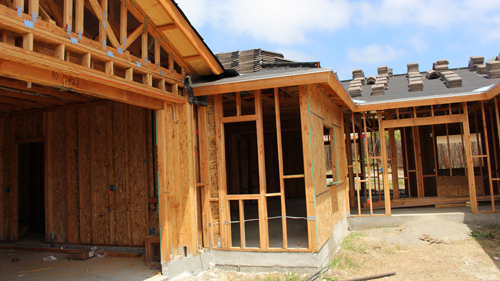
Though more commonly seen in windows, an undersized header above a door can slowly sag under the weight of the wall above it. This downward pressure pinches the door frame, making the door hard to operate. Fortunately, this is usually a fairly easy framing fix.
SEVERE STRUCTURAL WARNINGS
The next three reasons point to major structural damage that requires immediate attention from a professional.
6. MISSING LOAD-BEARING SUPPORTS
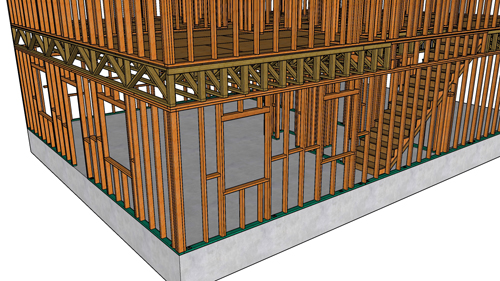
If previous owners or contractors removed a load-bearing wall below the door and did not properly support it, the floor joists will begin to sag. Once the floor drops, the door frame shifts out of square, mimicking the symptoms of foundation settlement.
7. SILL PLATE OR JOIST ROT
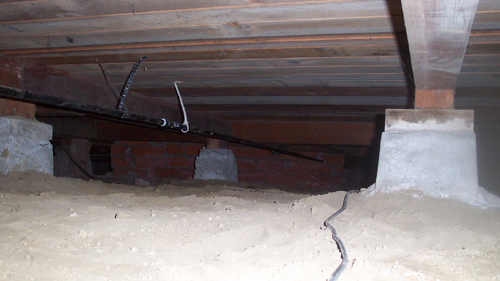
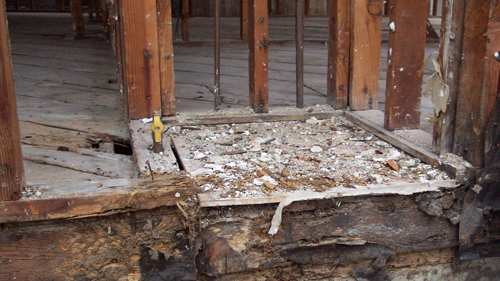
Water damage or termite activity in your crawl space can destroy the wood supporting your floor. When the sill plate or joists rot severely enough, the wood literally crushes under the weight of the house. The floor instantly drops, throwing the door completely out of alignment.
8. WALLS SPREADING APART
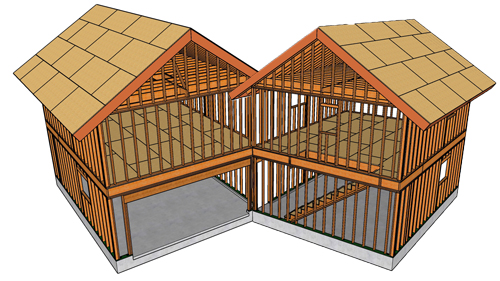
While relatively uncommon, your homes walls can begin to spread apart if there are inadequate ceiling joists or rafter ties holding everything together. This shifting distorts the framing of the house, ultimately affecting how doors sit in their jambs.
BONUS: SAGGING OLDER PANEL DOORS
If you live in an older home with traditional panel doors, you might encounter a unique issue. Unlike modern solid-core or metal doors formed by high-pressure machinery, older doors were built in individual sections. Over time, these sections can separate. Look at the doorknob side of your door; if there is a wide gap at the top, or if it is rubbing the floor on that side, the door itself might be falling apart. Sometimes, simply lifting the doorknob slightly as you close the door will shift the sections back into place to let the strike plate catch. Ultimately, however, the door will likely need replacing.
CONCLUSION
If your doors are sticking, rubbing, or refusing to close, do not just ignore it. Take a close look at the hinges, consider the current weather and humidity, and check for any signs of structural shifting. Identifying the root cause early can save you a lot of time, money, and frustration down the road.