HOW TO MAINTAIN AND REPAIR EXTERIOR WOOD DOORS TO PREVENT COSTLY REPLACEMENT
Exterior wood doors add undeniable character and curb appeal to a home, but they require regular maintenance to withstand the elements. Whether your door has a painted or a stained finish, neglecting its protective coating will eventually lead to material degradation, structural failure, and the need for an expensive total replacement. By understanding how to properly care for and repair wood doors, you can save significant money and extend the lifespan of your woodwork.
THE CRITICAL DIFFERENCE BETWEEN PAINT AND STAIN MAINTENANCE
Both painted and stained wood doors require periodic attention, but their upkeep processes differ significantly.
For painted doors, weathering will eventually cause the paint film to crack, peel, or fade. When this happens, you generally cannot just touch up a single spot effectively; you will usually need to prep and paint the entire door surface to ensure a uniform appearance and continuous moisture barrier.
Stained doors offer a bit more flexibility during early-stage maintenance. If only certain sections of a stained door are beginning to show signs of wear or sun damage, you can often perform localized touch-ups. By applying a matching stain with a brush or a rag directly to the worn areas, you can blend the finish and restore protection without necessarily refinishing the entire door. However, if the finish is allowed to deteriorate completely across the surface, a full strip and refinish will be required.
REPAIRING AND RESTORING DAMAGED WOOD DOORS
If an exterior door has been neglected for too long and exhibits minor surface damage or rot, it does not always mean you need to buy a new one. Many doors can be successfully restored through proper woodworking and prep practices.
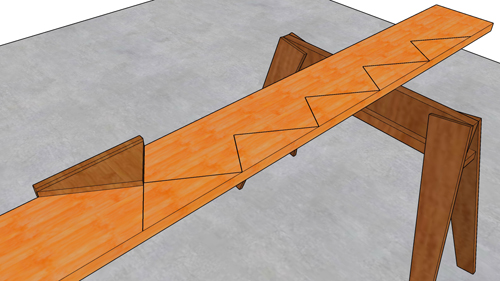
The most effective approach is to remove the door from its hinges and place it flat on sawhorses in a workshop or garage. This position allows you to work with greater precision. For minor surface weathering, a thorough sanding will remove the deteriorated top layers of wood and old finish, exposing a fresh, clean wood surface that is ready to accept a new coating. For doors with localized physical damage, you can carefully cut out the compromised material and replace it with matching wood Dutchmen or high-quality wood fillers.
TRANSITIONING FROM STAIN TO PAINT
If you repair a stained door and find that the patches or wood grain no longer match perfectly, you can transition the door to a painted finish. This is a common practice used to mask cosmetic imperfections while providing excellent long-term protection.
The key to successfully painting over an old stain is proper bonding and sealing. You must consult a professional paint supplier to select a high-quality specialty primer, such as an oil-based or shellac-based stain-blocking primer. This specialized coating prevents the underlying wood tannins and old oil stains from bleeding through your new topcoat while ensuring a strong mechanical bond. Once the primer cures, you can apply a durable exterior-grade topcoat paint.
THE FINANCIAL BENEFIT OF PROACTIVE CARE
Ultimately, routine door maintenance is highly cost-effective. Spending a small amount of time and money on sandpaper, primers, paints, or stains every few years prevents the underlying wood from rotting. If you let the door degrade completely, the material will fail entirely, forcing you to purchase a brand-new door, modify the jamb, and pay for professional installation, costing hundreds or thousands of dollars.
THREE KEY TIPS FOR WOOD DOOR MAINTENANCE
APPLY SPECIALTY STAIN-BLOCKING PRIMERS WHEN CONVERTING FINISHES
When painting over a previously stained exterior door, always apply a high-quality oil-based or shellac-based stain-blocking primer first. This prevents oil soluble wood tannins and old dye stains from migrating through the topcoat, which causes severe discoloration and premature paint peeling.
PERFORM MAINTENANCE BEFORE THE FINISH FAILS TO THE BARE WOOD
Inspect your exterior doors bi-annually for hairline cracks or dulling in the clear coat or paint layer. Re-coating the door while the existing finish is still intact prevents moisture from reaching the wood fibers, eliminating the risk of wood rot and grain lifting.
REMOVE THE DOOR AND LAY IT FLAT FOR MAJOR REFINISHING
For optimal results during heavy sanding, patching, or coating, always take the door off its hinges and lay it horizontally on sawhorses. This orientation prevents sagging, runs, and drips in your paint or clear coat, and allows for even pressure during the sanding process.
BONUS QUESTIONS AND ANSWERS
While maintaining the surface finish of a door is critical, long-term durability also depends heavily on managing hidden moisture vectors and understanding structural limitations.
QUESTION 2: What is the maximum amount of material that can typically be trimmed from a solid wood or stile-and-rail door during a repair?
ANSWER 2: When repairing a door or fitting it to a settled frame, you must strictly adhere to the manufacturer specifications, which typically limit trimming to a maximum of one-quarter inch from the sides and one-half inch from the bottom. Stile-and-rail wood doors are engineered assemblies consisting of vertical stiles, horizontal rails, and floating interior panels held together by deep dowels or mortise-and-tenon joinery. Trimming past the manufacturer limits cuts directly into these structural joints, severely weakening the door integrity, causing the corners to sag, and potentially exposing the internal hollows of engineered cores. If a door frame has settled beyond these measurements, structural remediation of the opening or a custom-ordered door size is required rather than over-trimming the door leaf.
QUESTION 3: How does the lack of an architectural overhang or porch impact the building code considerations and maintenance schedules for exterior wood doors?
ANSWER 3: While the International Residential Code does not universally mandate a porch or overhang above every exterior door, it strictly regulates weather protection. Section R703 of the IRC requires an approved weather-resistant barrier behind all exterior coverings, and building science dictates that exterior wood doors without a protective overhang will experience up to five times the amount of ultraviolet solar radiation and water exposure compared to sheltered doors. This accelerated weathering breaks down the chemical bonds in paints and clear coats rapidly. For doors completely exposed to the elements, standard maintenance intervals must be accelerated from every three to five years down to every twelve to eighteen months. Furthermore, many door manufacturers explicitly void their warranties unless the door is protected by an overhang that projects a distance equal to or greater than half the height from the door sill to the overhang.