OPTIMIZING FOUNTAIN PLACEMENT FOR SAFETY AND PROPERTY PROTECTION
Water features add aesthetic value and tranquility to residential and commercial properties, but their placement requires careful strategic planning. Improperly placed fountains can introduce severe safety hazards, moisture issues, and structural vulnerabilities. Understanding the mechanics of water splash, surface traction, and subfloor protection ensures that a water feature enhances a property without causing premature degradation or injury.
EVALUATING LOCATION AND SLIP HAZARDS
The primary operational concern with any decorative fountain is water displacement. Splashing water creates localized wet zones on surrounding walking surfaces. When placed directly within high-traffic pathways, a constant film of water dramatically increases the risk of slip and fall incidents, which are a major liability concern in both residential and commercial spaces.
Furthermore, environmental factors compound this risk. Shaded areas retain moisture significantly longer than sun-exposed zones. When continuous fountain splash combines with shade, organic growth such as algae and moss thrives. Moss creates a slick, hazardous surface that can be far more dangerous than standing water alone. Therefore, fountains should always be positioned slightly away from primary walkways and preferably in areas that receive adequate sunlight to promote rapid evaporation.
MANAGING SPLASH AND WATER LOSS
Water loss through splashing not only depletes the reservoir quickly but also projects moisture onto adjacent building materials, exterior walls, and patio surfaces. To mitigate this, property owners can modify the basin dynamics. Placing smooth gravel or decorative river rocks at the bottom of the fountain basin breaks the momentum of falling water droplets, preventing them from rebounding and splashing over the edges. While some designs rely on visible water movement, utilizing media within the basin effectively cuts down on surrounding wetness and conserves water volume.
CONSIDERATIONS FOR INDOOR WATER FEATURES
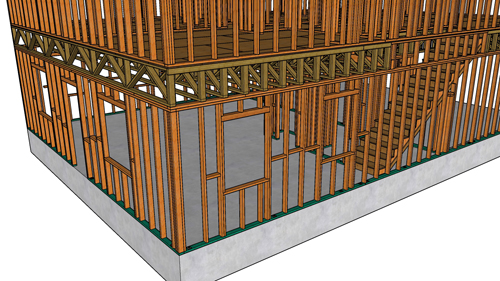
Installing a water feature within the interior of a structure demands an entirely different level of architectural precaution. Indoor humidity, minor leaks, and continuous splashing can wreak havoc on interior finishes and structural framing if not properly managed.
Interior fountains should never be installed over standard hardwood flooring systems. Wood is highly hygroscopic, meaning it absorbs ambient moisture and direct water contact, leading to warping, cupping, rotting, and costly structural subfloor failure.
Even over concrete slabs or raised wood frame foundations, appropriate waterproof membranes, drainage pans, and moisture-resistant surrounding flooring materials, such as tile or sealed stone, are mandatory to protect the integrity of the building envelope.
CONCLUSION
Integrating a water feature into your landscape or interior design requires balancing visual appeal with fundamental safety and building science principles. By maintaining adequate distance from walkways, selecting sunlit locations to prevent moss accumulation, modifying basin surfaces to control splash, and protecting interior flooring, property owners can enjoy their water features safely and sustainably for years to come.
THREE KEY TIPS
Position outdoor fountains away from primary pedestrian pathways and high-traffic walkways to minimize slip and fall hazards caused by splashing water.
Avoid placing fountains in heavily shaded zones where moisture retention encourages dangerous moss and algae growth.
Protect interior structural subfloors and framing by ensuring indoor fountains are never installed over unprotected wood flooring systems.
BONUS QUESTIONS AND ANSWERS
As property owners evaluate the integration of water features, additional architectural and structural considerations often arise regarding waterproofing and long-term building durability.
Q: What specific waterproofing measures are required when installing an indoor fountain against an interior framed wall?
A: According to standard building science and moisture control guidelines, any interior wall adjacent to a water feature requires a continuous vapor retarder and waterproof membrane, such as cement backer board coupled with a liquid-applied waterproofing barrier. This prevents migrating moisture from entering the wall cavity, which would otherwise lead to mold growth, drywall degradation, and structural wood rot in the studs.
Q: How does continuous fountain splash affect exterior concrete patio surfaces over time?
A: Constant moisture exposure combined with freeze-thaw cycles in colder climates can cause spalling and cracking in unsealed concrete. Water penetrates microscopic pores in the concrete; when temperatures drop, the water expands, breaking the surface matrix. Applying a penetrating breathable sealer to the surrounding concrete patio mitigates this moisture absorption and extends the lifespan of the hardscape.
Q: Are there specific drainage requirements for large residential fountains to prevent structural foundation damage?
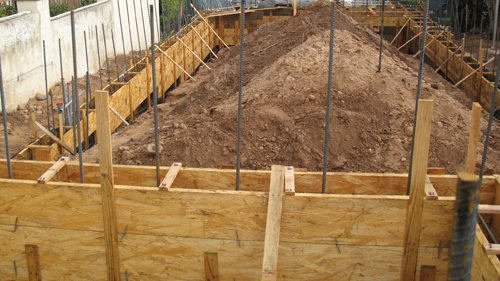
A: Yes. Large features must include an overflow drain connected to a proper discharge system or storm sewer, compliant with local plumbing codes. Uncontrolled overflow can pool near the exterior foundation wall, saturating the soil, increasing hydrostatic pressure against the foundation, and potentially causing basement leaks or differential settlement.