IDENTIFYING THE ROOT CAUSE OF SLAB MOISTURE DAMAGE
When dealing with unexpected moisture in a home, the source is not always where it first appears. Homeowners frequently assume that dampness near exterior walls stems from outside elements like poor exterior grading, patio slabs, or lawn sprinklers. However, interior moisture issues often originate from structural joints within the footprint of the home, particularly where a room addition meets the original structure.
THE MECHANICS OF ROOM ADDITION FOUNDATION CRACKS
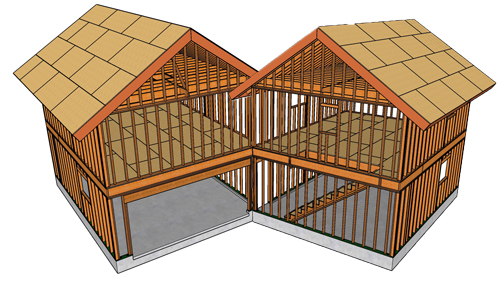
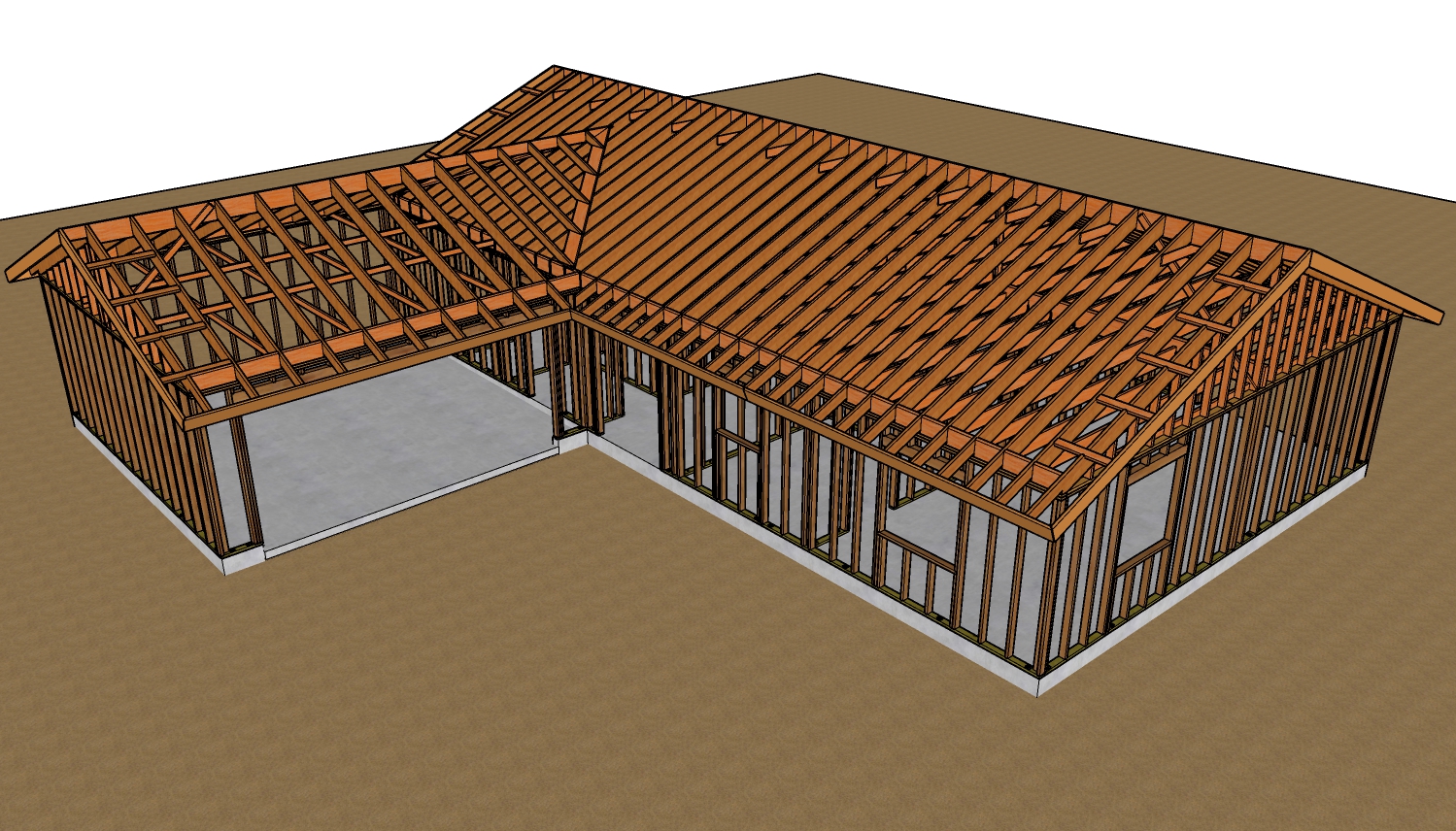
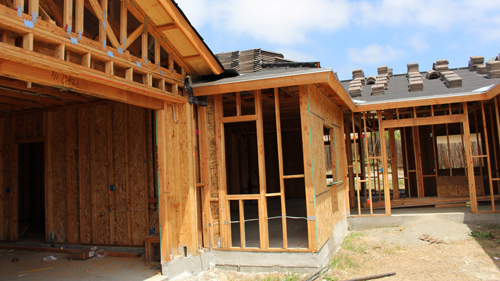
When a contractor builds a room addition, a new concrete slab is poured adjacent to the existing foundation. Over time, settling, thermal expansion, and contraction frequently create a cold joint or structural crack between the old and new concrete. While minor cracking at these interface joints is common, it introduces a vulnerable pathway for subterranean moisture to infiltrate the living space.
Concrete is a porous material capable of absorbing significant amounts of water through capillary action. When moisture accumulates beneath a foundation, it migrates upward. If it encounters a structural crack between a primary foundation and a room addition, the water finds an easy route directly beneath finished flooring systems.
HOW MOISTURE DESTROYS FLOORING SYSTEMS
The combination of hydrostatic pressure, water vapor transmission, and concrete movement creates a hostile environment for finished floors. Over extended periods, this continuous moisture exposure triggers multiple failure points:
ADHESIVE BREAKDOWN: Moisture undermines flooring mastics and thinset mortars, dissolving the chemical bonds that hold tiles, luxury vinyl, or linoleum in place.
MATERIAL SEPARATION: As subfloor moisture pushes upward, it causes flooring materials to warp, buckle, and detach entirely from the concrete subfloor.
PHYSICAL TEARING: As concrete slabs shift and cracks expand or contract with temperature fluctuations, the movement shears flooring materials installed directly across the breach.
TILE OVER LINOLEUM CONFLICTS: Installing new hard surface flooring over legacy materials like linoleum traps residual moisture, preventing the concrete from breathing and accelerating adhesive decay.
INSPECTING FOR SECONDARY DAMAGE
Persistent moisture rarely remains localized to the subfloor. Once water vapor and liquid infiltrate the lower wall assemblies, secondary structural and health hazards develop. Homeowners must inspect baseboards and wall trim adjacent to affected areas.
Popping off a section of floor trim allows for a visual inspection of the drywall backing and framing plates for mold, fungal growth, and wood decay. Furthermore, damp wood framing serves as an attractive environment for subterranean termites, making early detection vital before initiating any cosmetic flooring repairs.
THREE KEY TIPS
INSPECT ADDITION JOINTS: Pay close attention to the structural joint lines where a room addition meets the original concrete slab, as these interface zones are primary candidates for shifting and subsequent moisture intrusion.
TEST FOR VAPOR EMISSION: Perform proper moisture emission testing on concrete slabs before installing sensitive flooring finishes to prevent premature adhesive failure and material warping.
CHECK BASEBOARD CAVITIES: Pry away a discreet section of floor trim in damp areas to inspect drywall backing and base plates for hidden mold, fungal growth, or termite activity.
BONUS QUESTIONS AND ANSWERS
How does a vapor retarder installation prevent flooring failures on concrete slabs?
Not always, Under modern building codes, a polyethylene vapor retarder must be installed directly beneath concrete floor slabs on grade to block capillary moisture migration from the soil. Without this continuous membrane, moisture constantly moves upward through the porous concrete, creating high relative humidity at the surface that degrades flooring adhesives and triggers mold growth.
What is the difference between static concrete cracks and structural moving cracks in a slab?
Static cracks are typically non-structural shrinkage fractures that stabilize shortly after the concrete cures, whereas moving cracks are dynamic faults caused by ongoing foundation settlement or thermal expansion. Dynamic cracks require flexible sealant injections or structural stitching because rigid epoxies will simply shear apart when the concrete continues to shift.
Why is installing tile directly over existing resilient flooring considered a bad construction practice?
Installing new hard surface flooring over legacy linoleum or vinyl creates a multi-layered assembly that traps moisture and prevents the concrete slab from releasing water vapor naturally. This trapped moisture concentrates at the interface, softening underlying adhesives and causing the entire multi-layer assembly to debond and fail prematurely.