CRUCIAL CHECKS BEFORE YOU POUR A CONCRETE SLAB
Pouring a concrete slab is one of the most stressful phases of a building project because once the concrete cures, mistakes become incredibly difficult and expensive to fix. If you have never worked with a concrete slab, plumbing rough-ins, anchor bolts, or hold downs, this guide is for you. Taking the time to double-check your measurements before the concrete truck arrives will save you from major structural and plumbing headaches down the road.
SQUARING CORNERS AND CHECKING PERIMETER LINES
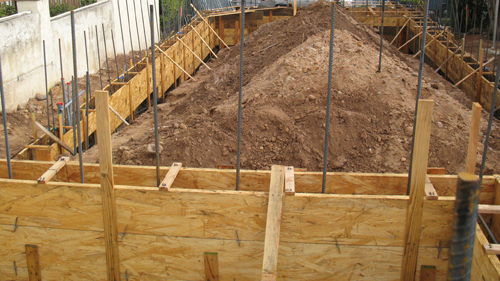
Before you do anything else, make sure the corners of your foundation are perfectly square. It is not enough to simply grab a framing square and check the corner. You need to use a tape measure and check the diagonals, measuring from one corner to the opposite corner. Both diagonal measurements should be exactly the same. If they are not, you need to figure out the problem before proceeding.
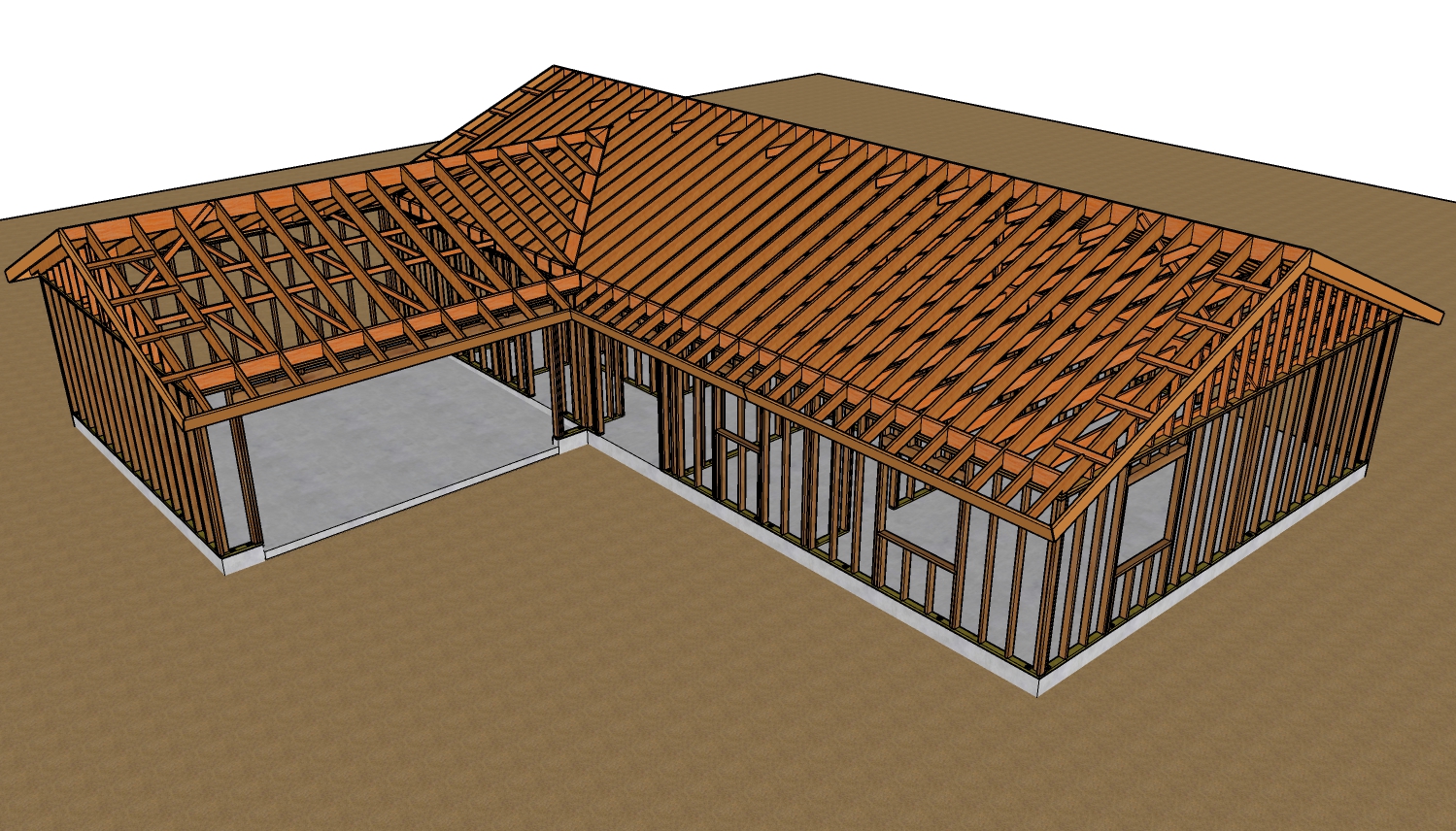
Additionally, carefully inspect your perimeter string lines. Sometimes, lines running around the perimeter can bow out, curve in, or snake back and forth. If these lines are not perfectly straight and level, your interior measurements for plumbing pipes and structural hold downs will be off, leading to cascading problems when it is time to frame the walls.
PROPER PLACEMENT OF ANCHOR BOLTS AND HOLD DOWNS
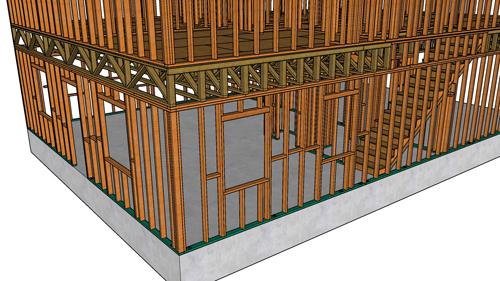
The placement of anchor bolts is absolutely critical. They need to be set at the correct height and in the correct locations to secure your framing plates. Generally, anchor bolts should be placed within 12 inches of any break or corner in the framing plate, and they must be centered on the board. You also want to ensure they will not sit directly underneath a wall framing stud, which requires tedious notching and makes nailing difficult.
When it comes to height, a standard rule of thumb is to leave at least two exposed threads above the nut once tightened down. If you need to break a framing plate because your lumber is not long enough, you must install an anchor bolt on each side of that break. Anything going into the concrete needs to be double or triple-checked. Being off by even a small increment can cause major issues for the structural engineer and the building inspector.
LOCATING PLUMBING PIPES AND THE BATHTUB BOX
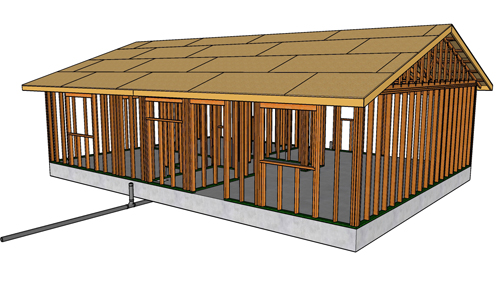
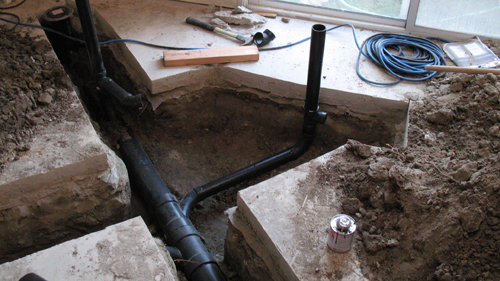
I cannot stress plumbing placement enough. Moving a pipe located on the interior of the building is tough, but moving one on an exterior wall can be a nightmare. You might have to cut through a standard four-inch slab, or you could find yourself drilling through a 24-inch deep footing filled with rebar.
Every piece of electrical or plumbing coming out of the concrete must be exact. Imagine the toilet pipe being just an inch too close to the wall, making it impossible to install the toilet. You also cannot forget about the bathtub box, which leaves a void for bathtub plumbing. While breaking out a bathtub box is a bit easier than a solid slab, doing so is only safe if you avoid hitting rebar, structural footings, or post-tension cables. Make sure all pipe components fit correctly between your stud bays.
LEARNING FROM COMMON MISTAKES
It is common to see cut corners on the job site, but these mistakes are costly. For example, some builders chisel out framing plates to force a nut and washer onto an anchor bolt that was set too low, leaving no exposed threads. Others use unapproved extensions. Unless signed off by a structural engineer and the building department, these are huge red flags.
Another common error is placing hold downs in the wrong spot, causing builders to leave gaps in the structural wall instead of moving the post. Sometimes anchor bolts are missed entirely near a plate break, or placed so far off-center that the washer hangs past the edge of the wood. If your components are misplaced, you might find yourself breaking out the concrete saw, doweling into existing concrete, and repouring.
CONCLUSION
Double and triple-check every single measurement before pouring your concrete slab. Catching a plumbing pipe or anchor bolt that is off by an inch takes just minutes to fix while it is still in the planning phase. If you wait until the concrete is hard, you are looking at costly tools, wasted days, and severe structural headaches. Measure twice, pour once, and build with confidence.