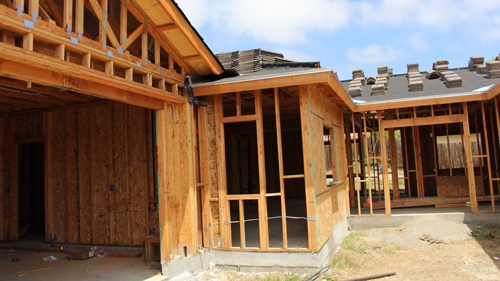
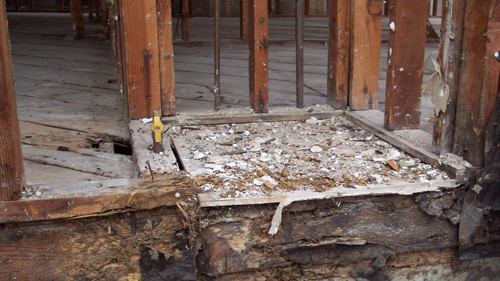
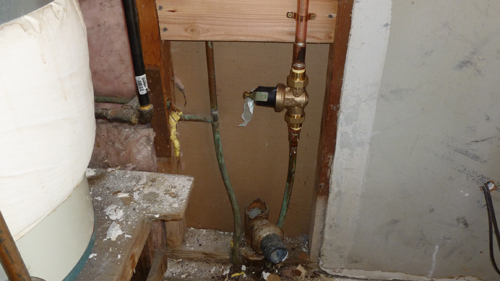
Structural stability relies heavily on the correct selection and application of framing hardware. Among the most critical components in residential and commercial framing is the galvanized hold-down bolt. Designed specifically to anchor shear walls, these structural bolts connect heavy-duty hardware to vertical posts, such as four-by-fours or six-by-sixes.
This hardware creates a rigid connection that significantly limits lateral movement during extreme weather or seismic events, ensuring the structural integrity of the entire building.
The Importance Of Corrosion Resistance In Coastal And High Humidity Zones
While standard steel bolts offer substantial tensile strength, they are highly susceptible to corrosion when exposed to moisture-rich environments. In coastal areas or regions with high humidity, standard steel components can begin to rust even before the exterior finishes or drywall are applied.
To combat this rapid degradation, structural engineers explicitly specify galvanized hold-down bolts for shear panel assemblies. The galvanization process coats the steel in a protective layer of zinc, significantly reducing the risk of premature rust and structural failure.
Maintaining Hardware Consistency For Structural Longevity
When installing galvanized structural components, material consistency is paramount. A galvanized hold-down bolt must always be paired with galvanized washers and galvanized nuts. Mixing bare steel fasteners with galvanized components can compromise the protective coating and accelerate corrosion. By extending this practice to other building materials, such as galvanized joist hangers, nails, and structural straps, builders can ensure that the structural framework remains safe and code-compliant in highly corrosive environments.
Essential Construction Tips For Galvanized Hold Downs
Always use matching galvanized nuts and washers with galvanized hold-down bolts to prevent uneven corrosion and maintain the integrity of the connection.
Verify that the structural engineer's callouts for galvanized hardware are strictly followed, especially when building in coastal, humid, or high-moisture climates.
Upgrade all exterior or moisture-exposed framing hardware, including joist hangers and framing nails, to galvanized materials to prevent rust from compromising the structural load path.
Frequently Asked Questions About Shear Wall Construction And Hardware
To further expand on the proper installation of shear wall hardware, here are a few advanced structural considerations that frequently arise during the framing process.
Why Do Shear Walls Require Specific Hold Down Hardware Instead Of Standard Anchor Bolts?
Standard anchor bolts are designed primarily to prevent the bottom plate of a wall from sliding off the foundation under shear forces. However, shear walls also experience intense overturning forces during high wind or seismic events, which act to lift the ends of the wall upward. Hold-down hardware is engineered specifically to resist this vertical uplift.
By bolting directly to a sturdy vertical post and anchoring deep into the concrete foundation, hold-downs complete a continuous load path that securely ties the roof framing all the way down to the earth, which is a fundamental requirement of the International Building Code for high-wind and seismic zones.
Can Stainless Steel Hardware Be Substituted For Galvanized Hardware In Corrosive Environments?
Yes, stainless steel is frequently approved and sometimes mandated as an alternative or upgrade to hot-dipped galvanized hardware, particularly within severe coastal hazard zones. Stainless steel provides a much higher inherent resistance to oxidation and salt corrosion compared to the zinc coating on galvanized steel.
The International Residential Code recognizes both materials for use in corrosive environments or when in contact with pressure-treated lumber. However, just as with galvanized materials, stainless steel fasteners must never be mixed with dissimilar metals in the same connection assembly, as this will trigger rapid galvanic corrosion.
How Does Pressure Treated Lumber Affect The Choice Of Structural Fasteners?
Pressure-treated wood contains high concentrations of chemical preservatives, such as alkaline copper quaternary, which are highly corrosive to untreated steel. When moisture is introduced, the copper acts as a cathode and the steel as an anode, rapidly dissolving the standard steel fastener.
To comply with modern building codes and ensure structural safety, any hardware in direct contact with pressure-treated sill plates or posts must be hot-dipped galvanized or stainless steel. Standard electro-galvanized components generally do not provide a thick enough protective coating to withstand these harsh chemical interactions over the lifespan of the building.