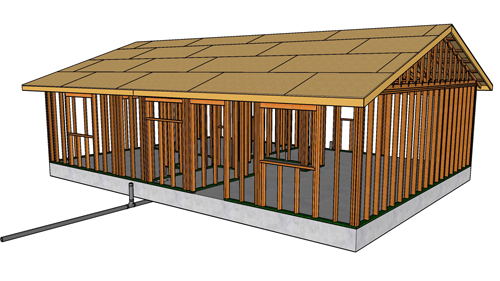
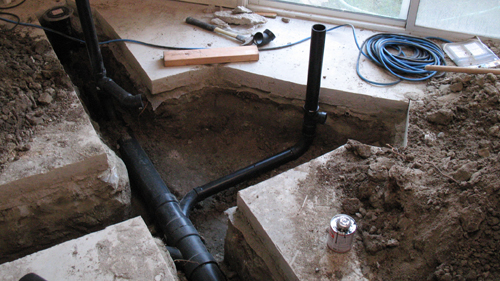
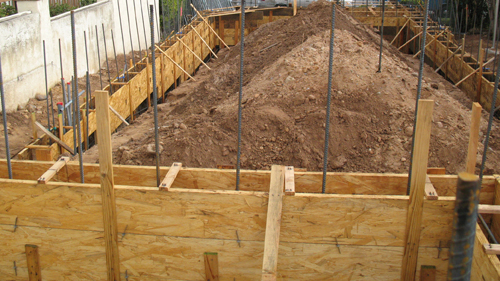
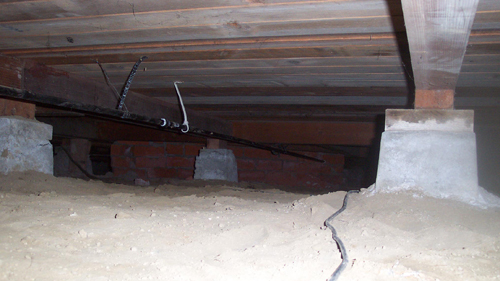
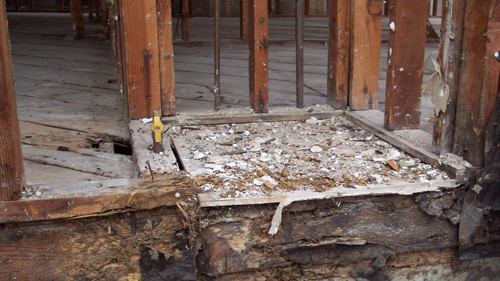
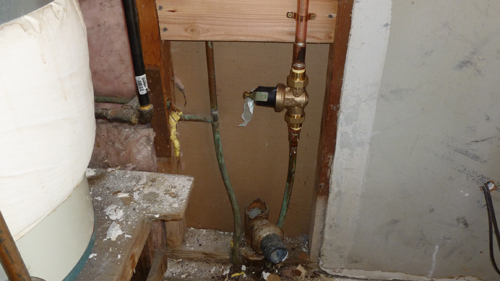
When inspecting a residential construction site, you might notice pipes running directly through the concrete foundation footings or stem walls. While it is natural to question if a pipe will weaken the structural integrity of the concrete, placing penetrations in a foundation is a standard and necessary building practice.
Plumbers and electricians must route their utilities from the exterior to the interior of the building. Installing these pathways before the concrete is poured prevents the need for destructive drilling later on.
The Importance Of Using A Pipe Sleeve
When routing a waste or drain pipe through a concrete foundation, it should never be encased directly in the concrete without protection. Concrete naturally expands and shrinks during the curing process and with seasonal temperature changes.
Furthermore, foundations can settle over time. If a plumbing pipe is rigidly locked into the concrete, these movements can place immense pressure on the pipe, leading to cracks, leaks, or complete structural failure of the plumbing line.
To prevent structural pressure from damaging the plumbing, a protective sleeve is installed. A sleeve is simply a larger pipe or a protective barrier placed around the primary utility line. For example, if you are installing a three inch drain pipe, you might run it inside a larger protective pipe. This creates a buffer zone that absorbs movement and keeps the concrete away from the plumbing.
Acceptable Sleeving Materials And Best Practices
While a larger diameter rigid pipe is an excellent sleeve, building codes also allow for other separation methods. Wrapping the plumbing line in a protective closed cell foam product designed specifically for plumbing supply is a common and reliable practice. Thick cardboard can be used in some jurisdictions to provide at least a half inch of separation, although rigid plastic sleeves or specialized foam are the preferred professional standards for longevity.
During the concrete pour, it is crucial to ensure these sleeves do not get buried or filled with concrete. Extending the sleeve slightly past the soil line and covering the ends can prevent concrete from spilling inside during the stem wall pour. Contractors should always carefully measure and map these penetrations before the pour to ensure they can be easily located once the foundation sets.
Three Key Tips
Always use a protective sleeve or an approved foam wrap around pipes passing through concrete to prevent damage from expansion and settlement.
Ensure the protective sleeve provides at least a half inch of separation between the concrete and the actual plumbing pipe.
Cap or cover the ends of the pipe sleeves before the concrete pour to prevent concrete from spilling inside and blocking the pathway.
Bonus Questions And Answers
As you plan your foundation layout, you might have additional questions beyond standard sleeve installation.
Do Local Building Codes Dictate The Size Of The Pipe Sleeve?
Yes, building codes tightly govern the sizing of pipe penetrations. Under standard International Residential Code guidelines, a pipe sleeve must typically be at least two pipe sizes larger than the pipe passing through the wall. This ensures adequate annular space for movement. Because local jurisdictions can amend these rules, always consult your local building department for exact sizing requirements. The universally accepted best practice is to leave sufficient space to prevent any direct contact between the foundation wall and the utility pipe.
Where Should Pipe Penetrations Be Located In A Footing?
Proper placement of a pipe penetration is critical to maintaining the structural strength of the footing. As a general structural engineering rule, pipes should pass horizontally through the middle third of the footing depth. Placing a pipe too close to the top or bottom edges of the concrete can severely weaken the tension and compression zones of the foundation. Always verify specific location tolerances with a structural engineer, especially when dealing with large diameter pipes.
How Do You Seal The Gap Between The Pipe And The Sleeve?
Once the utility line is installed through the sleeve, the remaining gap must be properly sealed to prevent water intrusion, soil gases, and pests from entering the home. Building science best practices require sealing this annular space with an approved flexible elastomeric sealant or mechanical expansion seal. Rigid materials like concrete or hard mortar should never be used to fill this gap, as they will transfer the exact pressure the sleeve was designed to prevent.