Identifying And Preventing Roof Damage From Hvac Systems
Rooftop air conditioning units are a standard feature in many commercial and residential buildings, offering efficient cooling without taking up valuable ground space. However, these systems require regular monitoring. When left unchecked, a malfunctioning HVAC unit can lead to severe moisture accumulation, resulting in costly structural damage and significant safety hazards.
The Warning Signs Of Rooftop Moisture
One of the most obvious indicators of an air conditioning drainage problem is the presence of unexpected moisture on the roof surface. Over time, constant exposure to water fosters the growth of moss and algae. If you notice green patches forming on a roof that should otherwise be clear, it is a primary clue that water is not draining properly.
Common Causes Of Hvac Condensation Leaks
Air conditioning condensers naturally produce moisture as they extract humidity from the air. Under normal conditions, this condensate is safely routed through a primary drain line into the building plumbing waste system or a designated exterior runoff location. Problems arise when these condensate drain lines become clogged with debris or algae. Additionally, the primary drain pan located beneath the evaporator coil can develop holes or rust out completely. When the system fails to drain properly, the overflow spills directly onto the roofing material.
Structural And Safety Consequences
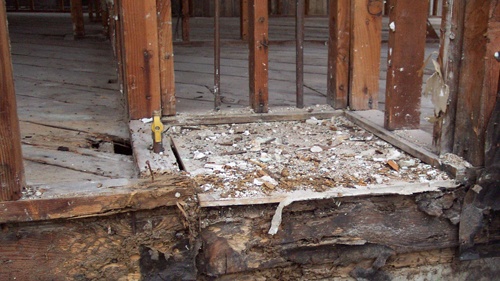
Allowing water to pool and algae to grow on a roof creates a multi-layered problem. First, the biological growth creates a dangerously slippery surface. For roofs that double as recreational spaces or gardens, this presents a severe slip-and-fall liability. More importantly, prolonged moisture exposure accelerates the degradation of the roofing membrane. Once the primary roofing material is compromised, water intrudes into the underlying structural framing, leading to wood rot, compromised load-bearing capacity, and extensive interior damage.
Proactive Maintenance Is Essential
Addressing rooftop HVAC leaks immediately is crucial for preserving the integrity of your building. Routine inspections allow property owners and facility managers to identify clogged pipes or rusted pans before they escalate into structural failures or safety liabilities.
Three Key Tips For Rooftop Hvac Maintenance
Inspect The Condensate Drain Line Regularly: Ensure the primary drain line is clear of blockages. Flushing the line annually helps prevent the buildup of algae and debris that causes overflow onto the roof surface.
Monitor The Condition Of The Drain Pan: Routinely check the galvanized or plastic drain pan beneath the HVAC unit for cracks, severe rust, or standing water, replacing it immediately if structural integrity is compromised.
Keep Roof Drains And Scuppers Clear: Even if the AC unit is draining properly, the roof overall drainage system must be free of debris to prevent ponding water around the HVAC curb, which deteriorates the roofing membrane.
Advanced Considerations For Rooftop Air Conditioning
To further protect your building infrastructure, it is important to understand a few additional regulatory and structural considerations that go beyond basic maintenance.
What Are The Building Code Requirements For Hvac Condensate Disposal?
According to standard building codes, such as the International Mechanical Code and International Residential Code, condensate cannot simply be dumped anywhere. The code explicitly prohibits discharging condensate onto public ways, streets, alleys, or any area where it creates a nuisance. It must be routed to an approved plumbing fixture or disposal area. Discharging constant moisture directly onto a flat roof membrane typically violates best practices because it accelerates the deterioration of the roofing material and promotes biological growth.
How Can I Prevent An Air Conditioner From Flooding My Roof If The Primary Drain Clogs?
Building codes mandate the installation of a secondary, or auxiliary, drain system or a reliable water-level detection device. If the primary drain line becomes blocked, a secondary drain pan catches the overflow and routes it to a highly visible location, alerting the building owner to the problem. Alternatively, an inline float switch can be installed in the primary drain pan. If water backs up, the float rises and automatically shuts off the cooling equipment, preventing continuous flooding until the drain is cleared.
Why Are Rooftop Air Conditioners Elevated Instead Of Sitting Directly On The Roof Membrane?
Proper equipment clearance is a critical aspect of structural engineering and roof longevity. HVAC units must be mounted on structurally supported equipment curbs or heavy-duty sleepers. This elevation provides necessary clearance for roofers to install and maintain the waterproofing membrane or flashing around the penetration. Furthermore, it keeps the metal chassis of the equipment out of standing water and allows proper airflow, preventing the unit itself from rusting and collapsing onto the roof decking.