Critical Clearances For Air Conditioning Condenser Enclosures
Building an aesthetic cover or enclosure around an exterior air conditioning condenser is a common residential project. Homeowners often want to hide unsightly HVAC equipment from their yard or patio areas. However, constructing a surround without understanding the technical requirements of the equipment frequently leads to severe airflow restrictions, reduced system efficiency, and potential mechanical failure.
The Importance Of Adequate Airflow
An air conditioning condenser functions by dissipating heat removed from the interior of the home into the outside air. To achieve this heat transfer, the unit requires a massive volume of unobstructed ambient air to pass through the side coils and exhaust out of the top. When an enclosure is built too close to the unit, it chokes the air intake. While the front or top of the unit might appear unobstructed, restricting the side clearances to merely a few inches drastically impedes the mechanical operation. The compressor must work significantly harder to draw in air, resulting in higher electrical consumption and premature wear on internal components.
Recognizing Disconnects In Construction Phases
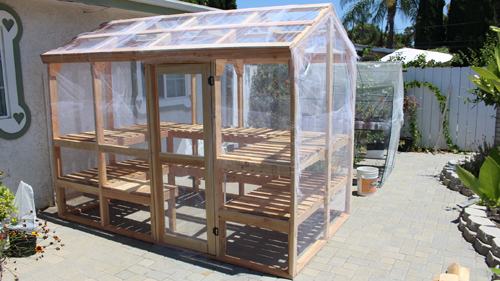
A frequent issue on residential job sites is the disconnect between the mechanical contractors who install the HVAC equipment and the carpenters or homeowners who build the exterior screens. An HVAC technician will typically place the condenser at an appropriate distance from the primary building envelope, often leaving adequate spacing such as nine to twelve inches from the siding. Later, a well-meaning builder might construct a privacy shed or fence around the remaining exposed sides, completely unknowingly violating the spatial requirements necessary for the unit to breathe.
Adhering To Manufacturer Specifications
The single most critical step before building any structure near an air conditioning unit is consulting the specific manufacturer installation manual. The International Residential Code dictates that all mechanical equipment must be installed and maintained in accordance with the manufacturer guidelines. Different brands, models, and system tonnages require drastically different minimum clearances. Never assume that a visual estimation of adequate space is sufficient. Verifying the exact spatial requirements guarantees that the enclosure will not void the equipment warranty or degrade the performance of the climate control system.
Three Key Tips For Condenser Enclosures
Always locate and read the manufacturer installation manual to determine the exact minimum clearance dimensions required for your specific condenser model before starting construction.
Do not assume that adequate spacing at the rear of the unit means the sides can be tightly enclosed. Every side that draws in air must have sufficient space to prevent suffocating the system.
Never assume that the builder of an aesthetic surround inherently understands HVAC airflow requirements. Always verify the mechanical specifications independently to bridge the knowledge gap between different construction phases.
Additional Considerations For Hvac Enclosures
If you are planning a project to conceal your exterior HVAC equipment, there are several other critical structural and mechanical factors to keep in mind to ensure your system operates safely and effectively.
What Is The Minimum Vertical Clearance Required Above An Air Conditioning Condenser?
Most HVAC manufacturers and standard mechanical codes mandate a significant vertical clearance, typically ranging between forty-eight and sixty inches of completely unobstructed space above the condenser. The internal fan forcefully pushes hot air upward and away from the unit. If a roof, low deck, or solid overhang is built directly above the condenser, the hot exhaust air will hit the barrier and recirculate right back down into the intake coils, causing the system to rapidly overheat and potentially shut down.
Does Building Code Require A Solid Base Pad For The Condenser Unit?
Yes, mechanical codes generally require that exterior equipment be supported on a level concrete slab or an approved prefabricated equipment pad. This pad must be elevated at least three inches above the adjoining grade. This code requirement ensures the unit is kept out of standing water, prevents soil dampness from accelerating corrosion on the bottom of the casing, and provides a stable foundation that prevents the refrigerant lines from stressing or snapping over time.
Should I Use A Solid Fence Or A Louvered Screen To Hide My Air Conditioner?
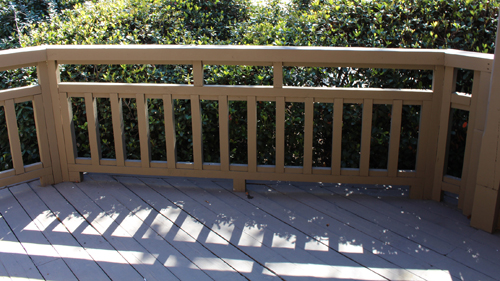
It is heavily advised to use louvered panels, open lattice, or slatted screens with wide gaps rather than completely solid walls. Solid barriers trap radiant heat and create a microclimate of hot air immediately surrounding the condenser. By utilizing a highly porous design for the enclosure, you allow prevailing yard breezes to carry away residual heat and ensure that the compressor has a constant, unrestricted supply of fresh ambient air to draw through its coils.