Protecting Your Home Exterior And Foundation From Roof Runoff Water Damage
If you have ever noticed a persistent layer of dirt and mud staining the bottom perimeter of a building, you are likely witnessing the direct result of unmanaged roof runoff. When rainwater falls from the roof to the ground, the impact creates a splashing effect that carries soil directly onto the exterior walls. This phenomenon is particularly common in two-story homes, where the water gains more velocity as it falls, compared to single-story structures. While dirty siding may initially seem like a simple aesthetic issue, it is actually a warning sign of poor perimeter drainage that can lead to severe structural problems.
The Hidden Danger Of Poor Roof Drainage
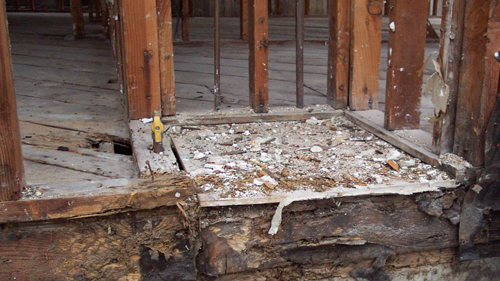
Allowing water to pool consistently around the base of a structure introduces significant risks to both the foundation and the framing. When excessive moisture collects near the footing, it can saturate the soil. If the property sits on expansive soil, which contains a high percentage of clay, the saturated earth will expand and exert massive pressure on the concrete. Over time, this repeated swelling and shrinking cycle can cause the foundation to shift, crack, or settle unevenly. Furthermore, constant splashing introduces high moisture levels to the base of exterior framed walls, creating an ideal environment for wood rot, mold growth, and pest infestations.
Effective Solutions To Prevent Exterior Splashing
Mitigating this issue requires intercepting the water before it can forcefully strike bare soil. The most effective method for controlling roof runoff is the installation of a seamless gutter system. Gutters collect the water at the roofline and channel it into downspouts, completely eliminating the waterfall effect around the building perimeter. In areas where gutters are not immediately feasible, altering the ground cover can temporarily reduce the splash zone. Installing a perimeter trench filled with crushed gravel or planting robust, deep-rooted grass can absorb the kinetic energy of the falling water and prevent soil from migrating onto the walls.
Three Key Construction Tips For Managing Roof Runoff
Install a complete roof gutter system to safely capture and redirect rainwater away from the building envelope.
Extend all gutter downspouts a minimum of five feet away from the foundation to prevent soil saturation near the footings.
Utilize gravel beds or heavy vegetation directly beneath roof eaves to diffuse water impact and minimize mud displacement.
Frequently Asked Questions About Foundation Moisture Control
To further protect your home from moisture-related structural issues, consider these additional industry best practices and building code standards that go beyond basic roof drainage.
What Is The Proper Soil Slope Around A House Foundation?
Controlling roof runoff is only effective if the ground surrounding the house encourages water to flow away from the structure. According to standard building guidelines, such as the International Residential Code, the grade must slope away from the foundation walls. The universally accepted minimum standard is a drop of at least six inches within the first ten feet away from the building. If physical obstructions or property lines prevent this exact measurement, alternative drainage solutions like swales or subsurface French drains must be implemented to ensure surface water does not collect near the footings.
Why Is Damp-Proofing Required For Concrete Foundation Walls?
While gutters and proper grading handle surface water, foundation walls must also be protected from natural subterranean moisture. Concrete is a porous material that will naturally absorb water from the surrounding earth. To combat this, modern building codes require exterior foundation walls that enclose interior spaces to be damp-proofed from the top of the footing up to the finished grade line. This is typically achieved by applying a bituminous coating to the exterior concrete surface prior to backfilling. This barrier prevents soil moisture from migrating through the concrete and elevating humidity levels within basements or crawl spaces.