Preventing Water Damage To Exterior Wood Posts
When integrating structural elements into landscaping, one of the most overlooked hazards is the proximity of irrigation systems to wooden supports. Whether supporting a patio cover, a deck, or a perimeter fence, a wood post subjected to regular moisture from a lawn sprinkler is on a fast track to structural failure. Continual exposure to water creates an ideal environment for biological degradation, compromising the integrity of the support system long before its expected lifespan.
Identifying The Early Warning Signs
Wood does not typically fail overnight. Before catastrophic degradation occurs, visual indicators will present themselves. The most immediate sign of a moisture problem is discoloration or dark staining on the surface of the wood. Frequently, a distinct line will form across the post or fence panels, indicating the maximum reach of the sprinkler spray. This unnatural color change is the first clue that the material is absorbing excess moisture. Recognizing this shift in appearance allows property owners to intervene before the damage moves beneath the surface.
The Destructive Cycle Of Moisture
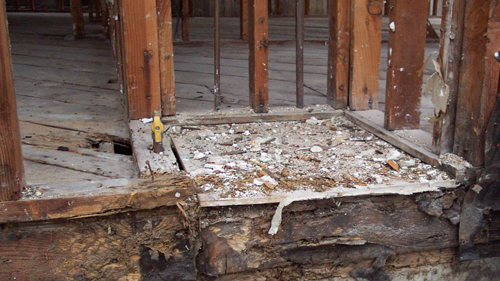
When exterior wood gets wet on a regular schedule, even just once a week, it rarely has the opportunity to dry out completely. This sustained moisture leads to two primary avenues of destruction: dry rot and pest infestation. Dry rot is a misnomer, as the wood-decaying fungi responsible for the damage require moisture to thrive and consume the cellulose within the timber. Furthermore, damp wood serves as a highly attractive food source and nesting environment for subterranean termites. Once either of these issues takes hold, the structural capacity of the post rapidly declines.
Protecting Your Structural Investments
The most effective strategy for preserving outdoor wooden structures is eliminating the source of the unwanted moisture. Reconfiguring sprinkler heads, adjusting spray patterns, or shifting to drip irrigation near structural supports can drastically extend the life of the wood. If modifying the water source is entirely impossible, the lifespan of the material will be inherently limited, and property owners must remain vigilant with routine inspections to ensure safety and stability.
Three Key Tips For Preserving Wood Posts
Inspect for water lines. Routinely check the lower sections of posts and fences for distinct staining or discoloration lines, which clearly map out where irrigation water is striking the surface.
Interrupt the watering cycle. Ensure that wood components are not being hit by sprinklers regularly. Getting wet once a week from a sprinkler is enough to cause permanent rot and structural decay.
Act on visual clues immediately. Do not ignore darkened wood. Staining is the precursor to fungal growth and termite attraction, meaning intervention is required the moment color changes are noticed.
Frequently Asked Questions About Exterior Wood Protection
To further expand on the principles of protecting outdoor wooden structures, here are a few advanced considerations that frequently arise when designing and maintaining exterior supports.
What Type Of Wood Is Required For Ground Contact?
According to standard building practices and the American Wood Protection Association guidelines, any structural wood placed directly in or near the soil must be heavily pressure-treated specifically for ground contact. Lumber rated for above-ground use will rapidly fail if buried. For critical structural posts, Use Category 4A or 4B pressure-treated wood is universally required to resist extreme moisture and subterranean pests.
How Should A Wood Post Be Connected To Concrete To Prevent Rot?
The International Residential Code requires that wood supported by exterior concrete must be separated from the masonry to prevent moisture absorption. Concrete acts like a sponge, drawing moisture from the earth and transferring it directly into the end grain of the wood through capillary action. The universally accepted best practice is to use a galvanized steel standoff post base that elevates the wood exactly one inch above the concrete surface, allowing air circulation and breaking the moisture pathway.
Will Applying A Waterproof Sealant Fix A Post That Continues To Get Wet?
No, applying a topical sealant over wood that is routinely saturated by a sprinkler can actually accelerate the decaying process. If water finds its way behind the sealant through micro-cracks or absorbs upward from the unsealed bottom end grain, the waterproof coating will trap the moisture inside the wood. Because wood-decay fungi require both moisture and restricted airflow to thrive, sealing damp wood creates an incubator for internal rot while leaving the exterior looking deceptively sound.