Mitigating Hidden Hazards In Residential Landscape Design
Creating a visually appealing outdoor space is a primary goal for many homeowners, but aesthetic choices should never compromise residential safety. While standard building codes primarily govern structural and electrical components, the principles of safe design extend into landscaping and hardscaping. Ignoring these principles can introduce significant injury risks and potential property liability.
Evaluating Decorative Metal Sculptures
Lawn ornaments, such as metal sculptures of animals, frequently feature sharp, protruding elements to simulate tusks, spines, or fur. While these details add realism, they act as rigid spikes that pose a severe puncture or impalement hazard. If a resident or guest trips nearby, falling onto these unyielding metal points can result in significant injury.
Property owners should select decorative pieces that achieve the desired visual effect without incorporating dangerous, knife-like protrusions. If existing decor has sharp edges, consider modifying or removing the hazardous components.
Addressing Hardscape Trip Hazards
Concrete curbs, garden edging, and retaining walls are standard methods for separating turf from planting beds. However, these abrupt changes in elevation naturally create trip hazards. When placed in close proximity to dangerous decorative objects or thorny plants, the risk multiplies. To mitigate these dangers, ensure that walkways are clear, transition zones are visible, and hardscape borders are designed to be as safe and forgiving as possible.
Maintaining Safe Vegetation Clearances
Improper plant maintenance introduces another layer of risk to a landscape. When pruning shrubs or cutting back stiff branches, leaving sharp, protruding stalks near pathways creates a direct hazard. Branches should be trimmed close to the main trunk or ground level to prevent accidental puncture wounds. Regular landscape maintenance is not just about plant health; it is a critical component of yard safety.
Prioritizing Safety Without Sacrificing Style
A well-designed landscape seamlessly integrates beauty and safety. By critically evaluating every element of the yard from decorative features to hardscape borders homeowners can significantly reduce the likelihood of accidents and maintain a secure environment for everyone.
Three Essential Landscape Safety Tips
Eliminate Sharp Protrusions On Decor: Inspect all metal lawn ornaments and sculptures for sharp points, such as simulated spines or tusks. Modify or remove these hazardous elements to prevent puncture injuries in the event of a fall.
Design Forgiving Hardscape Transitions: Ensure that curbs, retaining walls, and garden edging are highly visible and positioned away from secondary hazards. Minimizing abrupt elevation changes reduces the risk of tripping.
Prune Vegetation Safely: When cutting back stiff plants or shrubs, cut branches flush with the trunk or down to the soil line. Leaving rigid, protruding stalks near pedestrian areas creates unnecessary puncture risks.
Frequently Asked Questions About Outdoor Residential Safety
To further enhance your understanding of safe outdoor environments, we have compiled a few additional questions that frequently arise in landscape design.
Question: When Does A Landscape Retaining Wall Require A Guardrail?
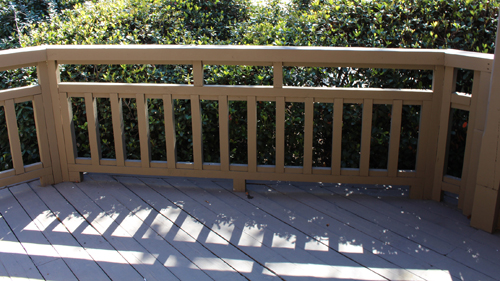
Answer: Under the International Residential Code, any walking surface that is located more than 30 inches above the grade below requires a protective guardrail. If your landscape design includes a terraced retaining wall or an elevated patio that exceeds this 30-inch threshold, you must install a guard measuring at least 36 inches in height. This structural safety measure is legally required to prevent severe fall injuries in residential outdoor living spaces.
Question: What Is The Minimum Required Width For A Residential Walkway?
Answer: While decorative garden paths can vary in size, the International Residential Code mandates that the primary exterior egress door must open onto a landing or path that is at least 36 inches wide. Maintaining a minimum clearance of three feet along primary walkways ensures safe entry and exit during an emergency. Furthermore, keeping this pathway entirely clear of overgrown vegetation and decorative trip hazards is crucial for safe navigation.
Question: How Can Walkway Surface Materials Impact Landscape Liability?
Answer: Building codes require exterior egress surfaces to be structurally sound and free from extreme unevenness, but material choice also affects slip resistance. Smooth finished concrete or glazed outdoor tiles become highly treacherous when wet. Applying a broom finish to wet concrete or utilizing textured pavers significantly increases the coefficient of friction, effectively reducing slip and fall hazards in areas exposed to rain or garden irrigation systems.