Why You Should Never Build A Concrete Planter Against Your House
Adding a beautiful concrete or cinder block planter to the front of a home is a popular landscaping choice. However, building that planter directly against the exterior wall of a house introduces severe risks to the structural integrity of the building. Understanding how moisture interacts with masonry materials is critical for any homeowner or contractor planning a hardscaping project.
The Hidden Danger Of Moisture Transfer
The primary problem with attaching a planter to a house is that concrete, mortar, and cement-based products are highly porous. When a planter is filled with soil and watered, the masonry blocks act like a sponge. Through a process called capillary action, the concrete absorbs moisture from the wet dirt and retains it for extended periods.
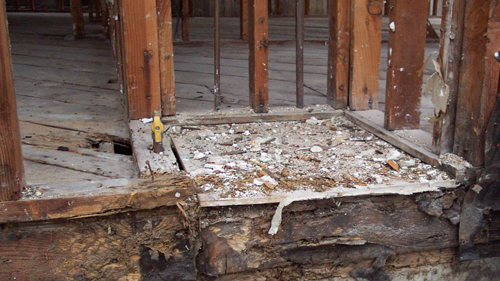
If that saturated block wall is physically touching the home, the water will inevitably transfer into the exterior envelope of the building. Whether the house is clad in traditional stucco, wood siding, or cement fiber board, this constant moisture exposure leads to catastrophic failure. Wood will rot, stucco will deteriorate, and even cement fiber siding will warp and degrade because it is not entirely waterproof.
Why Quick Fixes Do Not Work
Many property owners assume that applying a coat of waterproof paint to the inside of the planter will solve the issue. Unfortunately, paint is rarely a permanent barrier. Even microscopic pinholes or hairline cracks in the coating will allow water to penetrate the block.
Another common misconception is that an empty masonry enclosure against the wall is safe. Even without soil, placing a dense material flat against an exterior wall restricts airflow. The siding needs to breathe and dry out after heavy rain or morning dew. Trapping moisture between an empty concrete wall and the house siding drastically slows the drying process, inviting mold and rot.
The Structural Solution Is Separation
The most effective and fail-safe solution is to build a freestanding planter physically separated from the house. Creating a deliberate air gap between the planter wall and the home's exterior completely eliminates the risk of direct moisture transfer.
When establishing this gap, practical maintenance must be considered. A gap of just one or two inches is not enough, as leaves and debris will quickly accumulate in the tight space and bridge the gap, bringing trapped moisture right back to the siding. The planter should be moved far enough away to allow a long pole or rake to easily clear out fallen debris. If the planter is exceptionally long or filled with dense, mature hedges, the gap must be wide enough to access from the sides. Proper planning before pouring concrete saves thousands of dollars in structural repairs and keeps waste materials out of the landfill.
Three Key Tips
Maintain A Clear Air Gap: Always build masonry planters entirely detached from the primary structure to prevent capillary moisture transfer into the home's siding or foundation.
Plan For Debris Removal: Size the gap between the planter and the house so you can easily slide a cleaning tool behind it. Trapped organic debris holds water against the siding and invites pest intrusion.
Account For Mature Plant Size: Factor in the final growth size of bushes and hedges. Large, dense plants will block physical access to the back of the planter, making routine maintenance and inspection impossible.
Bonus Questions And Answers
To further protect your home's exterior, here are answers to a few common questions regarding foundation planters and moisture control that go beyond the basic installation.
What Is The Minimum Required Clearance Between Exterior Siding And Soil?
Under standard building codes, including the International Residential Code, there must be a minimum of six inches of clearance between the exterior soil grade and the bottom edge of exterior wood or fiber-cement siding. This critical six-inch gap prevents moisture from wicking upward into the building materials and provides a clear visual inspection zone to check for subterranean termite activity.
Can I Waterproof An Attached Masonry Planter Instead Of Moving It?
While creating a freestanding planter is always the safest practice, an attached planter must be engineered strictly as a retaining wall against a foundation. It requires a heavy-duty, commercial-grade waterproofing membrane applied directly to the house wall, extending below the soil line. Additionally, it must feature a dedicated drainage system, such as a perforated drain pipe set in washed gravel, to immediately divert water away from the structure and prevent hydrostatic pressure.
Why Are Weep Holes Necessary In Block Wall Planters?
Without proper drainage, a masonry planter acts like a bathtub. When irrigation or rainwater has nowhere to go, it creates hydrostatic pressure that can crack the concrete enclosure and force excessive moisture into the adjacent soil near the foundation. Installing weep holes at the base of the planter allows excess water to escape safely, protecting both the root systems of the plants and the structural integrity of the surrounding masonry.