Preventing Tree Fascia Board Damage And Wood Rot
The exterior of a home faces constant exposure to the elements, making regular inspection and maintenance essential. One of the most vulnerable areas on a roofline is the fascia board. When neglected, environmental factors can cause rapid deterioration, leading to costly structural repairs. Understanding how moisture and landscaping interact with roof trim is the first step in preserving the integrity of a building.
The Impact Of Shade And Moisture
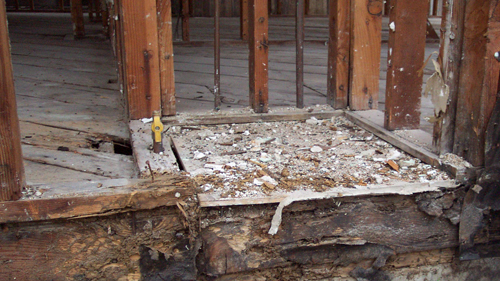
Large trees planted near a house offer aesthetic value and cooling shade, but they can also create a destructive microclimate for exterior wood. When a tree continuously shades a section of the roofline, it prevents direct sunlight from drying out the fascia boards after rain or heavy morning dew. Wood that remains persistently wet is highly susceptible to fungal decay and rot. Over time, the structural integrity of the wood fails, compromising the attachment point for gutters and creating potential entry points for water and pests.
Proper Utility Box Placement
Another factor that accelerates fascia degradation is the improper placement of utility equipment. Cable and telephone interface boxes are sometimes mounted directly onto the fascia board. This creates an artificial ledge where leaves, pine needles, and roofing debris can accumulate. This trapped organic matter holds moisture directly against the wood surface, accelerating decay. A better construction practice is to mount utility boxes on the main exterior siding of the house or securely underneath the eaves, keeping the vertical fascia clear of debris traps.
The Cost Of Neglected Maintenance
Delaying simple maintenance often transforms a minor chore into a major expense. Replacing sections of rotted fascia board requires purchasing new dimensional lumber, securing it properly to the rafter tails, and applying exterior-grade primer and paint. A job that could have been prevented with occasional cleaning and a fresh coat of protective paint can quickly escalate into hundreds of dollars in repair costs. Trimming back tree limbs that hang over the roof and dedicating a few hours every couple of years to inspect and repaint the trim can save significant time and money.
Conclusion
Proactive property maintenance is always more cost-effective than reactive structural repairs. By monitoring shaded areas of the roofline, keeping the fascia clear of debris-catching obstacles, and maintaining a solid coat of exterior paint, homeowners can extend the lifespan of their exterior trim and protect their investment.
Three Key Construction And Maintenance Tips
Prune overhanging tree branches to ensure sunlight reaches the roofline, allowing wet fascia boards to dry completely and preventing conditions that encourage wood rot.
Relocate utility boxes, such as cable and telephone interfaces, away from the fascia board. Mount them on the siding or underneath the eaves to prevent leaves and debris from accumulating on top of them.
Establish a regular maintenance schedule that includes inspecting, cleaning, and repainting exterior trim every few years to seal out moisture before structural deterioration begins.
Bonus Questions And Answers
To expand on the principles of roofline protection, here are some advanced structural considerations for preserving your fascia and eaves.
Question: Why Is Drip Edge Flashing Required By Building Codes?
Answer: While keeping the fascia clear of debris is important, stopping water from running behind the exterior trim is equally critical. The International Residential Code mandates the installation of metal drip edge flashing along the eaves and rakes of shingle roofs. This flashing creates a physical barrier that directs water away from the roof deck and fascia board, dropping it safely into the gutter system or away from the house. Without a drip edge, surface tension allows water to wick backward under the shingles, leading to hidden rot in both the fascia and the structural roof sheathing.
Question: Can You Replace Rotted Wood Fascia With Pvc Or Composite Materials?
Answer: Moving beyond traditional wood maintenance, many builders are adopting modern synthetic materials to prevent future rot. Replacing wood fascia with cellular PVC or composite boards is highly recommended for moisture-prone or heavily shaded areas. These materials are impervious to water, insects, and fungal rot. However, because PVC expands and contracts with temperature changes significantly more than wood, installation requires specific techniques, such as using stainless steel trim screws and leaving appropriate expansion gaps at the joints to prevent buckling under thermal stress.
Question: How Does Rotted Fascia Affect The Structural Integrity Of Gutters?
Answer: Understanding how water damage spreads helps emphasize the importance of early repairs before secondary systems fail. Gutters are primarily anchored through the fascia board directly into the ends of the roof rafters or structural trusses. When the fascia rots, the wood loses its fastener holding power, and the structural lag screws securing the gutters begin to pull out under the heavy weight of standing water, leaves, or snow. If the rot extends past the fascia and into the rafter tails, repairing the damage becomes a complex structural framing issue rather than a simple cosmetic trim replacement.