How To Manually Removing A Palm Tree Stump And Root System
Removing a palm tree stump can seem like a daunting task, especially when avoiding the use of heavy machinery or chemical rot accelerators. By employing a strategic mechanical advantage using basic hand tools and wooden wedges, property owners can effectively dismantle and extract a dense palm root system. This method focuses on isolating the stump, weakening its structural integrity through relief cuts, and splitting the mass into manageable sections for safe disposal.
Essential Tools For The Job
To effectively break down a palm stump, you will need a specific set of tools designed for excavation and splitting. Gather a hand axe, a pickaxe, and a small spade shovel for the initial dirt removal. For the splitting phase, you will require an electric chainsaw, several wooden wedges cut from scrap dimensional lumber such as a two by four, a heavy sledgehammer, and standard safety gear.
Excavating The Root Zone
The primary step involves clearing the soil immediately surrounding the stump to expose the dense root network. Palm trees possess fibrous root systems rather than thick taproots, creating a tight, heavy mat around the base. Utilize the pickaxe and small shovel to carefully remove the dirt. This excavation phase is typically the most time consuming portion of the project. Dig deep enough to expose the main trunk base and sever the lateral roots using the hand axe. A thorough excavation prevents chainsaw blades from striking the soil and dulling prematurely.
Creating Relief Cuts And Splitting The Stump
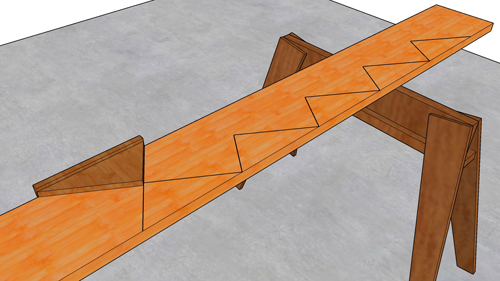
Once the stump is adequately exposed, use the chainsaw to cut intersecting grooves across the top of the stump, effectively dividing it into quadrants. These relief cuts should sink several inches into the wood. Next, insert the wooden wedges into the designated grooves. Systematically strike each wedge with the sledgehammer, working in a circular pattern to apply even outward pressure.
As the wedges drive deeper, the structural integrity of the stump will fail, causing the fibrous material to split apart. Once the sections loosen, use the hand axe to sever any remaining anchoring roots at the base, allowing you to lift the individual segments out of the ground easily.
Three Key Tips For Safe Stump Removal
Clear all soil from the cutting zone. Dirt and rocks will instantly dull a chainsaw chain, creating a dangerous cutting environment and forcing the motor to work harder than necessary.
Apply even pressure when splitting. Drive the wooden wedges gradually in a circular sequence rather than attempting to bury one wedge entirely. This uniform pressure ensures a clean split along the grain of the stump.
Utilize custom wooden wedges. Cutting wedges from scrap dimensional lumber provides a cost effective solution that grips the fibrous palm wood effectively without the risk of dangerous metal on metal shrapnel if a steel wedge were to be struck off center.
What Precautions Must Be Taken Regarding Underground Utilities Before Digging?
Transitioning from surface work to deep excavation requires strict adherence to underground safety protocols. Before plunging a shovel or pickaxe into the earth to expose the root system, property owners must contact their local utility locating service. Standard safety practices and municipal codes mandate clearing the dig site of buried electrical, gas, water, and telecommunication lines. Striking a live utility line can result in severe injury, localized outages, and hefty financial liabilities. Always maintain a safe hand digging clearance zone around any marked utilities.
How Should The Void Be Backfilled To Prevent Future Soil Settlement?
Once the stump and root mass are completely removed, you are left with a significant void that must be properly managed to maintain the structural integrity of your landscape. If you plan to build a hardscape feature, pour concrete, or lay pavers over the area, standard geotechnical building practices require backfilling the hole with structural fill dirt or compacted crushed stone. The material must be placed in shallow lifts of a few inches at a time and mechanically compacted. Failing to properly compact the backfill will lead to future soil subsidence, which can crack overlying concrete slabs or destabilize retaining walls.
Why Is Mechanical Extraction Preferred Over Leaving The Stump To Rot?
While taking the time to physically split and extract the stump requires significant labor, it is vastly superior to leaving the stump in the ground to decay naturally. From a building science and pest management perspective, a decaying underground wood mass creates a sinkhole hazard as the organic matter eventually collapses. Furthermore, rotting root systems act as a magnet for subterranean termites and other wood destroying insects. Removing the biological material entirely eliminates this food source, protecting adjacent residential structures from potential pest encroachment and ensuring a stable subgrade for future landscaping.