HOW TO CREATE A TEMPORARY WASHING MACHINE DRAIN ON A BUDGET
Dealing with a clogged or broken washing machine drain is an incredibly frustrating household problem. When your washing machine cannot drain properly, it completely halts your ability to do laundry. To make matters worse, professional plumbing repairs can be incredibly expensive. If you already have a high repair estimate in hand, or if you simply do not have the extra funds right now, you might be wondering how you will manage while saving up for the permanent fix. Fortunately, if your appliance is located in the right area of your home, you can set up a temporary washing machine drain to keep your laundry moving.
THE TEMPORARY DRAIN SETUP
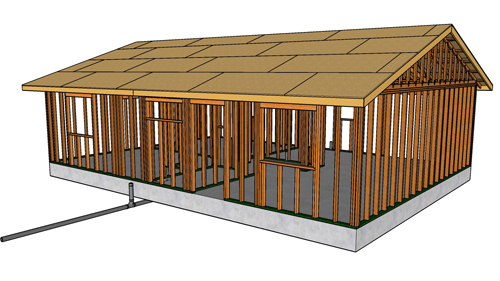
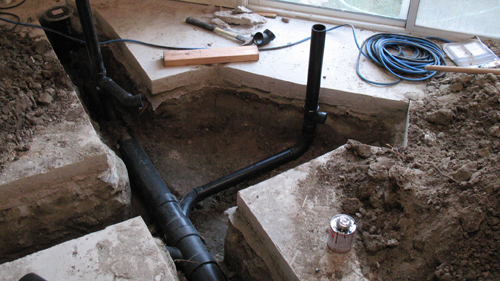
The core idea behind this temporary solution is to bypass your home's clogged internal wall plumbing entirely. Instead of letting the washing machine's built-in drain hose go into the standard wall outlet, you can route it into a makeshift external pipe system. For this setup, you can use a 2-inch ABS pipe system to catch the water directly from the machine.
To ensure the water flows correctly without backing up or overflowing, the entire length of the temporary ABS pipe must be sloped downward. This gradient uses gravity to safely guide the rushing wastewater away from the machine and route it outside, such as through a garage door and out into the backyard or toward the front street.
LOCATION AND RISK MANAGEMENT
It is important to note that this temporary DIY fix is not suitable for every home layout. This method is highly recommended only if your washing machine is located in a garage, a basement, or a similar utility area. The reason for this restriction is simple water safety. If the temporary pipes happen to separate, leak, or become disconnected during a high-pressure drain cycle, the resulting water spill will do minimal damage to a concrete garage floor.
Conversely, attempting this setup inside the main living areas of a home, especially upstairs or over carpeted floors, is highly dangerous. If a pipe disconnects over carpet or hardwood, it can cause catastrophic, expensive structural water damage. If your laundry setup is upstairs or in a finished area with no safe, low-risk outdoor drainage path, you will need to seek alternative professional options.
CONCLUSION
A broken drain does not have to mean a complete laundry crisis. By utilizing a few sections of properly sloped ABS pipe, garage-based washing machines can be kept operational while you wait for a professional repair. Always remember to prioritize safety, match the solution to your specific home layout, and keep a close eye on your temporary setup to ensure everything stays dry and secure.
THREE KEY TIPS
PRIORITIZE SLOPING FOR PROPER GRAVITY DRAINAGE
When routing your temporary 2-inch ABS pipes out of the building, ensure there is a continuous downward slope along the entire run. Washing machines pump water out at high speeds, and without a proper gravitational decline, the wastewater will back up and overflow at the connection point.
ONLY USE THIS METHOD IN LOW-RISK AREAS
Only implement an external, temporary pipe drainage system if your washer is in a garage or an unfinished space. Avoid using this setup over carpets, hardwood floors, or on the upper levels of a house, as any accidental pipe disconnection will cause severe water damage.
MONITORE THE PIPES REGULARLY DURING CYCLES
Do not set up a temporary drain and walk away completely. You must actively monitor the pipes and check the connections regularly to ensure the high-pressure water flow has not caused the segments to shift, leak, or pull completely apart.