Washing Machine Wet Venting Rules, Common Installation Errors and Building Code Issues
COMMON PLUMBING MISTAKES IN WASHING MACHINE DRAIN INSTALLATIONS
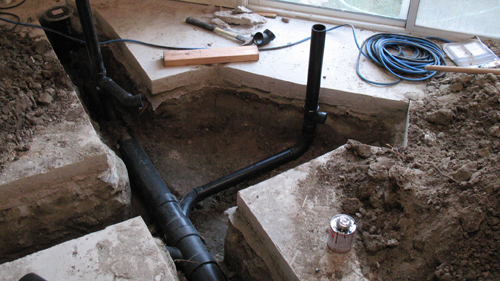
When tackling a home remodel or inspecting existing plumbing, it is easy to overlook subtle installation errors. While some minor issues might never cause a catastrophic failure immediately, understanding proper building codes and best practices can save you from future headaches. In this post, we analyze a real-world example of a washing machine drain setup to highlight several common plumbing mistakes and explain why doing it the right way matters.
THE STANDPIPE AND TRAP CONNECTION
One of the most frequent errors found in laundry room plumbing involves the standpipe. This is the vertical pipe extending from the left side of the trap up to the top where the washing machine's drainage hose is inserted. It is crucial that this pipe is properly installed to handle the volume of water expelled by modern washers. Additionally, connecting the trap to the drain line requires the use of a proper sanitary tee. Failing to use the correct fittings for these connections can lead to poor drainage and venting issues.
FRAMING AND ELECTRICAL CONCERNS
Plumbing does not exist in a vacuum; it often interacts with framing and electrical systems. A common remodeling mistake is notching a framing stud too far to accommodate drain lines, which can compromise the structural integrity of the wall. Furthermore, electrical outlet placement requires careful consideration. While a ground fault circuit interrupter (GFCI) outlet provides essential safety, it is always a best practice to keep electrical plugs positioned higher than any drain lines and reasonably distanced from water supply lines. You will still need to reach the plug for your appliances, but thoughtful placement minimizes risk.
WET VENTING RESTRICTIONS
A major building code violation to watch out for is sharing a wet vent between a washing machine drain and a bathroom group. Building codes generally allow you to wet vent a bathroom group, but adding a kitchen sink or washing machine drain line to that same system is strictly prohibited. The reasoning makes perfect sense: a washing machine discharges a massive amount of water very rapidly. This heavy flow can create a vacuum that actually siphons the water right out of your bathroom sink trap, allowing dangerous sewer gases to enter your home.
PIPE JOINTS AND MANUFACTURER WARRANTIES
Finally, the methods used to join different types of plumbing pipes together matter. Gluing certain pipe materials together might be frowned upon or outright banned by your local building department, so always verify connection methods with local authorities. Beyond municipal codes, you should always consult your product manufacturer's manual. Failing to follow the specific installation instructions for your washing machine can result in a voided warranty, leaving you unprotected if you call a repair technician only to find out the installation broke the rules.
CONCLUSION
Spotting these plumbing issues can make the difference between a successful remodel and a costly disaster. Always prioritize safety, check your local building codes, and never assume that a visually functioning drain is actually a correctly installed one. Taking the time to do it right ensures your plumbing system and your appliances last for years to come.
THREE KEY TIPS
Never share a washing machine drain with a bathroom wet vent to prevent dangerous trap siphoning.
Position electrical outlets higher than your drain lines and away from water supplies for maximum safety.
Always read your washing machine manufacturer's manual to ensure your installation does not void the warranty.