Elastomeric paint is widely regarded as one of the most durable and effective high-build exterior coatings available on the market. It forms a thick, rubberized membrane that bridges hairline cracks and provides a formidable defense against the elements.
However, the exact properties that make this paint so effective can also lead to catastrophic structural damage if the building envelope is compromised or if the product is applied improperly. When moisture bypasses this tough exterior coating, the impermeable nature of the paint prevents the underlying materials from drying out, leading to severe moisture degradation over time.
The Danger Of Trapped Moisture In Stucco Systems
A common failure point occurs during the application process over stucco exteriors. When applying the coating with a standard roller, it is incredibly easy to miss microscopic voids in the masonry surface. Even a missed spot the size of a sharpened pencil tip can become a primary entry point for bulk water. When rain hits the side of the building, water is forced behind these tiny, unpainted pinholes.
Because elastomeric paint acts as a heavy-duty sealant, the moisture that works its way down into the stucco cannot evaporate outward. Unless the structural moisture barriers behind the stucco are perfectly intact and properly detailed, this trapped water will inevitably cause serious deterioration to the wall assembly.
How Poor Roof Flashing Destroys Fascia Boards
The risks of trapping moisture are even more pronounced when dealing with exterior wood trim, such as fascia boards. A common structural flaw involves roofing materials and metal flashing that fail to extend properly over the top edge of the fascia. If the roof edge sits flush with or slightly above the board, the top edge of the wood often remains unpainted because it is inaccessible to a paintbrush.
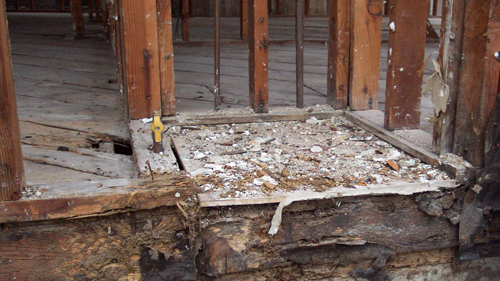
During a rainstorm, runoff rolls directly onto the bare top edge of the fascia, absorbing deep into the wood grain. Because the face of the board is sealed tightly with elastomeric paint, the moisture is locked inside. Over a span of several years, this trapped moisture creates an ideal environment for wood-decay fungi, resulting in extensive dry rot that works its way rapidly down the dimensional lumber.
Ensuring Building Integrity Before Application
Ultimately, elastomeric coatings are fantastic products when used under the correct conditions. The success of the paint job relies entirely on the structural integrity of the home. Before applying a high-build, impermeable coating, the building must be completely watertight, and the paint must be worked thoroughly into every crevice of the exterior surface. Without correct building practices and meticulous application, even the highest-quality paints will only serve to hide and accelerate hidden structural damage.
Three Crucial Tips For Applying Elastomeric Paint
Inspect for complete surface coverage. After rolling or spraying the wall, meticulously check the exterior for microscopic pinholes, particularly on heavily textured stucco, ensuring every void is filled to prevent bulk water intrusion.
Verify proper roof edge flashing. Before painting any exterior trim, confirm that the roof flashing physically extends over and protects the top edge of your fascia boards to prevent top-down water absorption.
Assess the building envelope first. Never use a heavy elastomeric coating as a band-aid for structural water leaks; ensure your underlying weather barriers, flashing, and roofing components are fully functional before sealing the exterior.
Expanding On Exterior Moisture Management
To further integrate the building science behind exterior coatings, here are some common technical questions regarding moisture management and standard construction codes.
Why Is Standard Acrylic Paint Often Recommended Over Elastomeric Paint For Wood Trim?
Wood is a highly porous building material that naturally expands and contracts while absorbing and releasing ambient humidity. Elastomeric paint creates a thick membrane with extremely low vapor permeability. If water infiltrates the wood through an unpainted edge, an uncaulked joint, or a fastener hole, a highly breathable standard acrylic paint allows the wood to dry out more effectively. In contrast, elastomeric coatings trap the bulk moisture inside the wood fibers, creating the perfect biological environment for wood-decay fungi to thrive.
What Are The Building Code Requirements For Protecting Fascia Boards From Roof Runoff?
To prevent the exact type of top-down water damage that rots fascia trim, modern building codes mandate specific metal flashing at the roofline. According to the International Residential Code regarding roof coverings, an approved metal drip edge must be installed at the eaves and gables of shingle roofs. This metal flashing extends beneath the roofing underlayment and angles out over the fascia board, physically directing water away from the wood and safely into the gutter system. This prevents water from rolling back under the shingles via capillary action or pooling on the unprotected top edge of the fascia.
How Should Trapped Water Properly Escape A Stucco Wall System?
When moisture inevitably gets behind a stucco exterior, it must have a designated architectural exit route. Standard building codes dictate the installation of a weather-resistant barrier behind the stucco lath, along with a specialized drainage accessory called a weep screed positioned at the foundation line. The International Building Code mandates that this weep screed be placed a minimum of four inches above raw earth or two inches above paved areas. This metal or vinyl flashing provides a physical drainage gap at the bottom of the wall, allowing gravity to pull trapped moisture down and safely out of the stucco assembly before it can compromise the wooden structural framing.