Preventing Exterior Wall Staining From Balcony Handrail Posts
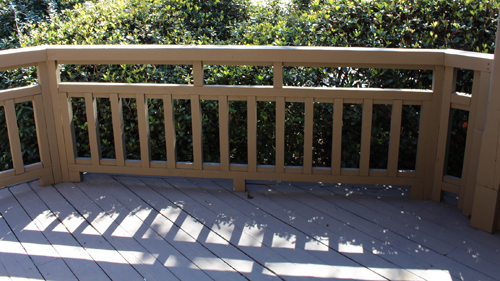
When inspecting the exterior of a home, you might occasionally notice a property that appears to be in excellent condition, only to find localized white stains streaking down the siding. A common culprit for this specific cosmetic damage is the paint runoff from wooden balcony handrail components, specifically the four-by-four support posts and deck fascia boards.
Identifying The Source Of Exterior Wall Stains
If you observe white vertical streaks on an exterior wall directly beneath painted balcony posts, the staining is almost certainly related to the coating applied to that wood. When rainwater hits a poorly painted surface, it can carry paint pigment, chalky residue, or uncured paint solids down the side of the building. This runoff creates unsightly streaks that can be incredibly difficult to remove from stucco, brick, or siding.
The Importance Of Proper Paint Selection
The most frequent cause of this staining is the application of incorrect or low-quality paint. Exterior and interior paints are formulated completely differently. Exterior paints contain specific resins and additives designed to withstand ultraviolet radiation, temperature fluctuations, and heavy rain.
If an interior paint, or a low-grade exterior flat paint, is applied to a heavily exposed area like a balcony post, the binder breaks down quickly. Furthermore, applying paint right before a rainstorm prevents the chemical curing process, causing the paint to simply wash away and stain the walls below.
Protecting Your Home Exterior
To prevent these issues, always verify that your materials are rated for exterior exposure. Thorough preparation, correct product selection, and application during optimal weather conditions will ensure your deck and balcony components remain durable and your exterior walls remain completely stain-free.
Three Essential Tips For Painting Exterior Posts
Select a premium exterior-grade acrylic latex paint with a satin or semi-gloss finish, as these shed water much more effectively than flat paints and resist UV degradation.
Monitor weather conditions closely and strictly follow the manufacturer recommendations for curing times, ensuring the painted surface is not exposed to moisture or rain for at least twenty-four to forty-eight hours.
Properly prep the wood surface by scraping away flaking material and applying an exterior-grade primer to ensure maximum adhesion, which prevents the topcoat from washing away over time.
Bonus Questions And Answers
To further protect your home from exterior water damage and finish degradation, consider these frequently asked questions about deck and balcony maintenance.
How Does Building Code Address Water Management Around Balcony Posts?
According to the International Residential Code for exterior coverings, any exterior projection such as a balcony must be properly flashed to prevent water from entering the wall assembly. By installing corrosion-resistant metal flashing around the base of the four-by-four posts and along the balcony perimeter, water is directed away from the structural connections. While primarily designed to prevent structural wood rot and moisture intrusion, this code-mandated water management also prevents standing water from degrading the paint at the post base and washing pigments down the siding.
Why Is Chalking A Common Problem With Exterior Flat Paints?
Chalking is a chemical degradation process where ultraviolet sunlight breaks down the resin binders in the paint, leaving behind a loose, powdery layer of pigment on the surface. Flat paints are particularly susceptible to this because they contain a higher ratio of pigment to binder compared to glossier finishes. When heavy rain washes over a chalking four-by-four post, it carries this loose white powder down the building profile, causing the exact type of stubborn staining observed on many residential exteriors.
What Is The Role Of A Drip Edge In Preventing Wall Stains?
A drip edge is a physical break or downward-facing metal flange installed at the bottom edge of fascia boards and balcony perimeters. Water naturally clings to surfaces due to surface tension and capillary action. Without a drip edge, rainwater will run down the painted post, wrap under the fascia, and glide directly down the exterior siding, carrying dirt and paint residue with it. A properly installed drip edge forces the water to break its surface tension and drop cleanly to the ground, keeping runoff entirely off the exterior walls.