Navigating Unpermitted Construction And Building Inspector Visits
Undertaking a home improvement project or simple repair often feels like a straightforward task for an experienced homeowner or contractor. However, certain projects require specific building permits from the local municipality. If you bypass this crucial administrative step, you might find yourself in a stressful situation: a local building inspector knocking on your door asking to see documentation you do not possess.
The Role Of The Building Inspector
When confronted by an inspector over unpermitted work, the most common immediate reaction is panic. It is important to understand that the primary objective of a building department is not to administer punishment, publicly humiliate you, or send you to jail. Their fundamental purpose is to ensure that all structures meet current life safety standards, structural engineering principles, and the adopted International Residential Code or International Building Code standards for your specific jurisdiction.
Cooperating With Code Compliance
If an inspector discovers unpermitted renovations, the best course of action is total compliance. The inspector will typically require you to halt construction and apply for the appropriate permits retroactively. If your construction methods already align with current building codes, resolving the issue might be as simple as paying the permit fees and scheduling an official inspection. The ultimate goal is to verify that the project is safe for current occupants and future visitors.
Addressing Concealed Construction
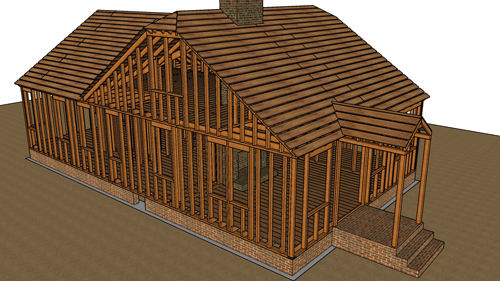
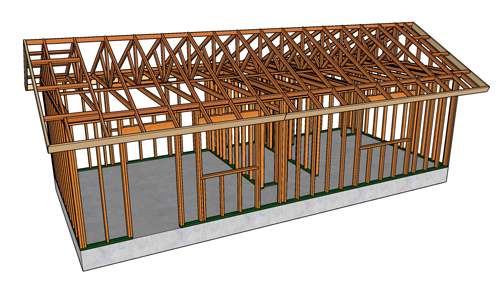
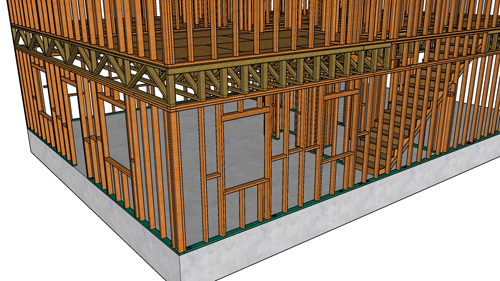
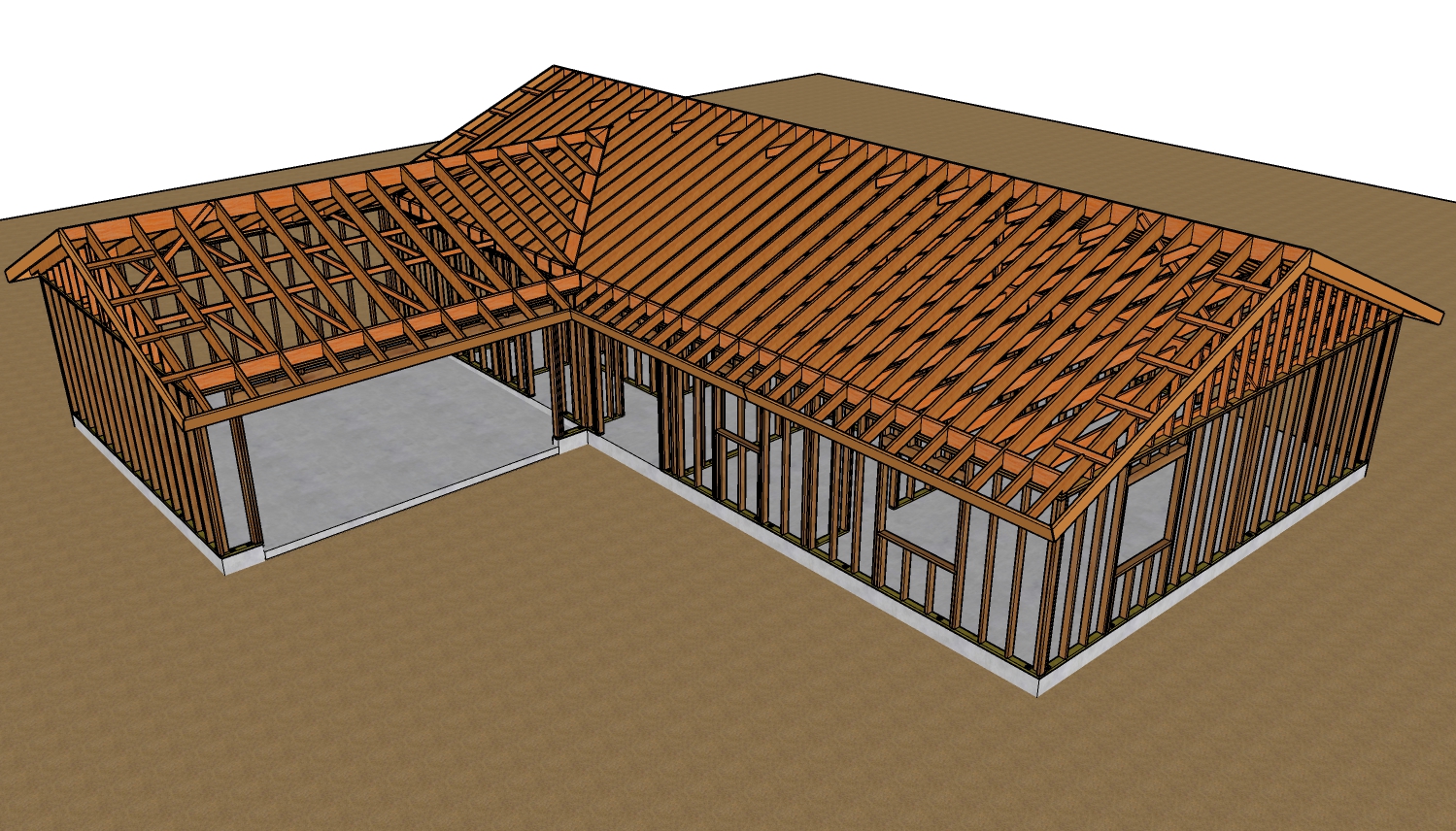
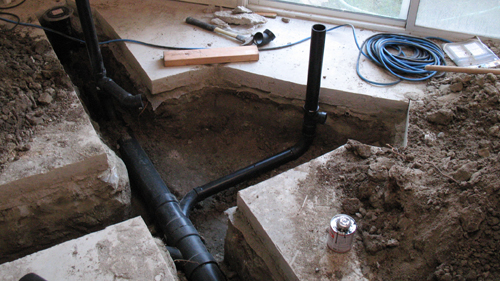
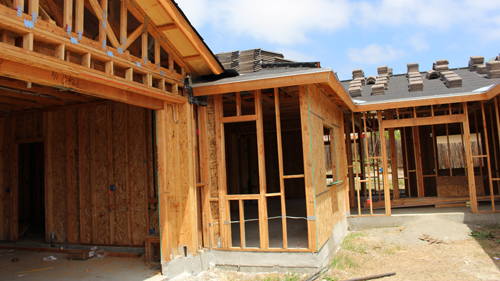
Situations become more complex if the unpermitted work has already been covered by drywall or other finishes. Building codes strictly dictate that rough plumbing, electrical wiring, and structural framing must be inspected before being concealed. If you bypassed this step, the inspector has the authority to request that you open the walls to expose the work. While this requires additional labor and expense, throwing a temper tantrum or arguing will only hinder the process. Treat the building inspector as an ally in home safety, make the necessary corrections, and complete the proper channels of legalization.
Three Key Tips
Cooperate immediately with the inspector. Halt all construction work the moment an inspector notifies you of a violation to prevent further penalties or a formal stop work order.
Prepare to expose covered utilities. Under standard building codes, all rough-in electrical, plumbing, and mechanical systems must be visually verified. You will likely need to remove drywall or flooring if you covered unpermitted mechanical work.
Apply for a retroactive permit promptly. Visit your local building department to submit the necessary plans. Keep in mind that specific code requirements vary heavily by local jurisdiction regarding seismic, wind, or snow loads, so you must adhere to your specific regional amendments.
Bonus Questions And Answers
To further assist you in navigating local building regulations, we have compiled answers to common questions regarding construction compliance and safety standards.
What Are The Penalties For Ignoring A Stop Work Order?
If an inspector issues a formal stop work order and you continue construction, you are violating standard municipal building codes, which can lead to severe consequences. Under guidelines similar to Section 114 of the International Building Code, continuing work after an order is issued is a legal violation. Penalties typically include escalating daily fines, legal action from the municipality, and in extreme cases, a court order to demolish the non-compliant structure entirely.
Do All Home Repair Projects Require A Building Permit?
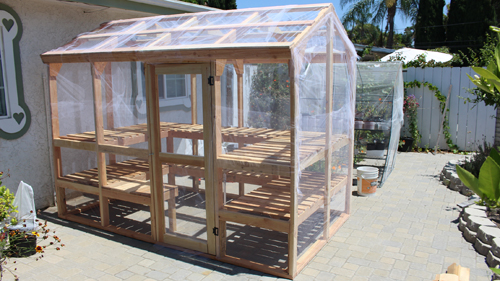
No, standard building codes explicitly exempt certain minor projects from permitting requirements, though you should always verify with your local jurisdiction. According to standard exemptions found in Section R105.2 of the International Residential Code, permits are generally not required for one-story detached accessory structures under 200 square feet, fences under seven feet tall, retaining walls under four feet, painting, tiling, or installing residential cabinetry.
How Does Unpermitted Work Affect Selling A Home?
Unpermitted construction creates significant legal and financial liabilities during real estate transactions. When selling a home, most states require a seller's disclosure where you must legally declare any known unpermitted work. Furthermore, mortgage lenders and appraisers may refuse to finance a property with illegal additions, as unpermitted square footage cannot be reliably valued or insured. Often, sellers are forced to retroactively permit the work or heavily discount the property price to finalize the sale.