Diagnosing And Repairing A Leaking Toilet Base
A puddle of water forming at the base of a toilet is a clear indicator of a compromised seal. This type of leak requires immediate attention to prevent severe water damage to the surrounding flooring and underlying subfloor. To properly address the issue, the toilet must be completely unbolted and removed from the floor to expose the underlying plumbing connections and assess the extent of the damage.
Understanding The Mechanics Of A Failed Seal
The connection between a toilet and the bathroom floor relies on closet bolts and a wax ring. The bolts physically secure the heavy porcelain fixture to the closet flange, while the wax ring provides a watertight and gastight barrier. When a toilet is installed correctly, the wax ring is firmly squashed flat, compressing between the toilet horn and the floor flange to create a permanent seal. If you remove a leaking toilet and notice that the wax ring is not evenly flattened on all sides, the seal was compromised. This lack of compression is the primary reason water escapes during a flush and pools on the floor.
Evaluating Damage And Preventing Mold
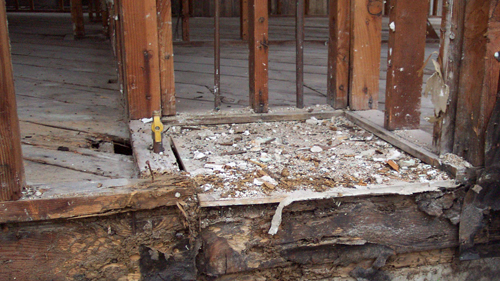
Once the toilet is moved aside, it is crucial to clean the area and inspect the flooring for secondary damage. A failing seal often causes water to seep slowly over time, leading to discoloration on the floor or subfloor. This dark discoloration is frequently an early sign of mold growth or wood rot. Before installing a new wax ring, the entire area must be thoroughly cleaned, dried, and treated if necessary to ensure the structural integrity of the floor remains intact. Covering up wet or moldy flooring with a new toilet will only allow the decay to worsen out of sight.
Proper Reinstallation And Pest Prevention
A severely compromised seal does not just allow water and sewer gases to escape; it creates an open pathway to the plumbing system and subfloor voids. In rare instances, wide gaps caused by a failed seal can even allow small pests to bypass the drainage system and enter the bathroom. Ensuring a flush, heavily compressed seal with a new wax ring and properly tightened closet bolts will prevent leaks, block odors, and keep the plumbing system entirely closed off from the interior living space.
Three Key Tips
Verify Wax Ring Compression: A watertight seal relies entirely on the wax ring being evenly compressed between the toilet horn and the floor flange. If the old wax appears uncrushed on one side, the toilet was either not seated level or the flange is uneven, which will inevitably lead to a leak.
Inspect For Subfloor Discoloration: Whenever a toilet is removed, thoroughly examine the flooring and subfloor for dark spots or structural softening. Discoloration is often the first indicator of mold growth or rot, which must be remediated before installing a new seal to prevent structural degradation.
Avoid Stacking Wax Rings Unnecessarily: While it might be tempting to stack multiple wax rings to bridge a gap caused by a low flange, this is not always a reliable long-term solution. Evaluate the flange height first and use proper flange extensions if the gap is too large for a single standard or jumbo wax ring to seal adequately.
Bonus Plumbing Questions And Answers: Uninvited Sewer Guests
As a homeowner, you might be surprised to learn that plumbing systems can sometimes harbor unexpected wildlife, but understanding the mechanics of your pipes can help you prevent these unsettling encounters. Below are four common questions about what plumbers find lurking in toilets and the building science behind keeping them out.
Question 1: How Do Rats Manage To Swim Up Into A Toilet Bowl?
Finding a rat in a toilet is a jarring experience, but it happens because rats are exceptional swimmers capable of holding their breath for several minutes while navigating flooded sewer pipes. From a structural plumbing standpoint, residential sanitary systems are directly connected to municipal sewers or septic tanks via a main lateral line. If this underground building sewer line develops cracks, root intrusions, or offset joints, rodents can easily enter the system. Once inside, they follow the airflow up the soil stack and swim through the water seal in the toilet fixture trap. According to standard plumbing codes, the primary defense against sewer gases and pests is the trap seal, which must retain a minimum of two inches of water. Because rats can bypass this water barrier, the true structural prevention relies on maintaining the integrity of underground pipe joints and installing backwater valves in heavily infested areas, though backwater valve requirements heavily vary by local jurisdiction.
Question 2: Why Are Large Cockroaches Coming Out Of My Drains And Toilets?
If you are noticing American cockroaches, often called sewer roaches, emerging from your bathroom plumbing, it almost always points to a failure in maintaining the trap seal. The International Residential Code mandates that every plumbing fixture must be separately trapped and that these traps must maintain a continuous liquid seal to block sewer gases and vermin from entering the living space. When a bathroom is rarely used, the water inside the toilet bowl or the sink P-trap can evaporate completely. Once the water barrier is gone, insects have a dry, direct highway from the municipal sewer right into your home. The universally accepted best practice, supported by building science, is to ensure trap seal protection by regularly flushing unused toilets or installing trap seal primer valves to automatically replenish the water barrier.
Question 3: Can Snakes Or Frogs Enter The Plumbing From The Roof?
While most people assume pests come from the underground sewer, snakes, tree frogs, and roof rats frequently enter plumbing systems from above by crawling into the main plumbing vent stack on your roof. Every residential plumbing system requires vent pipes that terminate outdoors, usually through the roof, to allow sewer gases to escape and to introduce atmospheric pressure so water flows smoothly without siphoning out the traps. If an animal falls down this vent stack, the easiest exit point is often through the toilet bowl. To prevent this, homeowners often want to install screens over their vent pipes, but you must consult local building codes because vent screening requirements heavily vary by local jurisdiction. In colder climates, building codes strictly prohibit screens because freezing condensation, known as hoarfrost, can block the screen and cause catastrophic plumbing failures. In warmer climates, approved vent caps or heavy-gauge wire baskets are universally accepted best practices to keep wildlife out without restricting essential airflow.
Question 4: What Does A Drain Fly Infestation Around The Toilet Base Tell Me About My Plumbing?
Spotting tiny, moth-like drain flies hovering around the base of your toilet is not just a pest control issue; it is a clear indicator of a structural plumbing failure at the floor connection. According to building codes, the connection between a floor-mounted toilet and the drainage pipe must be made with an approved closet flange and sealed tightly, traditionally with a beeswax ring or an approved elastomeric gasket, to prevent leaks. If the toilet rocks because the flange is broken or the wax ring has degraded, it allows microscopic amounts of nutrient-rich wastewater and sewer gas to seep into the subfloor. Drain flies breed exclusively in this decaying organic matter and sewage sludge. Eliminating the insects requires a plumber to pull the toilet, inspect the structural integrity of the closet flange, and install a brand-new mechanical seal to restore the watertight and airtight code-compliant connection.
Key Takeaways For Code Compliant Pest Prevention
Maintain a minimum two inch water trap seal in all plumbing fixtures
Inspect the structural integrity of the toilet closet flange and wax ring
Verify that any roof vent covers strictly comply with local frost codes
Repair cracked underground sewer laterals to prevent subterranean entry