A toilet that rocks from side to side is more than just a minor annoyance; it is a serious plumbing issue that can lead to catastrophic water damage. When a water closet shifts under weight, it compromises the watertight seal between the fixture and the closet flange. Understanding the mechanical causes behind a loose toilet base is essential for maintaining the structural integrity of your bathroom floor and ensuring compliance with standard residential building codes.
The Mechanics Of A Wax Ring Failure
The primary defense against water escaping from the base of a toilet is the wax ring. This ring sits between the bottom horn of the toilet and the floor flange. When a toilet moves or rocks, the rigid wax is repeatedly compressed and stretched. Unlike rubber or silicone, traditional wax does not rebound once deformed. A rocking motion quickly breaks the seal, allowing wastewater to seep onto the surrounding floor or, worse, penetrate the subfloor and framing members undetected.
Identifying Structural And Hardware Issues
In many cases, the rocking is caused by a closet flange that is installed improperly or sits too high above the finished floor. Standard plumbing practices require the flange to rest securely on top of the finished floor surface. If the flange is broken, loose, or sitting too low, the closet bolts cannot properly anchor the toilet. Over-tightening the bolts in an attempt to secure a wobbly toilet will not fix a damaged flange and often risks cracking the porcelain base.
Leveling And Stabilizing The Fixture
To achieve a rigid, code-compliant installation, the toilet must be fully supported across its base. If the floor itself is uneven, hard plastic or composite shims should be used to support the gaps before tightening down the hardware. Wood shims must never be used in this application because they will absorb moisture, rot, and eventually fail. Once the fixture is leveled and secured, the excess shim material is cut away, and the perimeter is sealed.
Conclusion
Addressing a rocking toilet immediately prevents extensive damage to your flooring structure. By inspecting the flange, installing a fresh wax seal, utilizing proper shimming techniques, and securing the closet bolts correctly, you can ensure a durable, leak-free installation that meets professional standards.
Three Key Tips
Always inspect the closet flange for cracks or corrosion before installing a new wax ring, as a damaged flange cannot safely secure the closet bolts under load.
Use only hard plastic or composite shims to level an uneven toilet base, as wooden shims will decay when exposed to bathroom moisture and cause the toilet to rock again.
Press the toilet firmly straight down into the wax ring using your body weight to seat the seal before tightening the bolts, rather than using the bolts to pull the toilet down, which can easily crack the porcelain.
Bonus Questions And Answers About Toilet Inspections
To further ensure your next bathroom project passes inspection smoothly and complies with residential building codes, here are a few additional technical requirements inspectors look for that often catch homeowners and contractors off guard.
What Is The Minimum Required Side Clearance For A Toilet?
Building codes mandate specific spatial clearances to ensure the fixture is accessible and sanitary. Under the International Residential Code, an inspector will measure from the absolute center of the toilet drain flange to the nearest finished side wall, vanity, or tub. This measurement must be a minimum of 15 inches, creating a 30-inch total width allowance for the toilet space. The structural and health reasoning behind this code is twofold: it provides adequate ergonomic room for the user and ensures sufficient space for thorough cleaning to prevent the buildup of unsanitary conditions along tight wall assemblies.
Why Must A Toilet Flange Be Screwed Directly To The Subfloor?
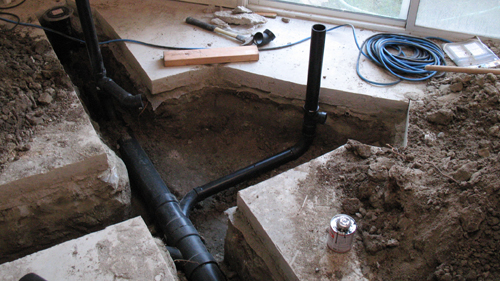
A common point of failure during rough-in plumbing inspections is an unsecured toilet flange. Inspectors require the closet flange to be mechanically fastened to the structural subfloor prior to installing the finished flooring. When securing the flange, inspectors look for specific hardware:
Solid brass wood screws
Stainless steel structural screws
Wedge anchors or Tapcons for concrete slab foundations
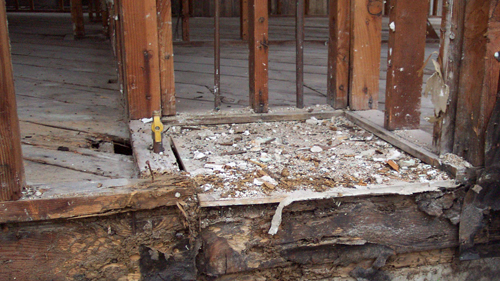
The primary structural reasoning for this requirement is to prevent the drain pipe from shifting or deflecting when a user sits on the fixture. Any lateral or vertical movement in the flange will eventually compress and break the wax ring seal, leading to unseen wastewater leaks that actively rot the wooden subfloor, floor joists, and ceiling drywall below.
How Much Open Space Is Required In Front Of A Toilet?
In addition to side clearances, inspectors rigorously check the functional egress space directly in front of the fixture. The standard plumbing code requires a minimum of 21 inches of clear space in front of the toilet bowl to any opposing wall, door, or plumbing fixture. The reasoning behind this code is to guarantee safe movement within the bathroom envelope and to prevent trip hazards or confined entrapment spaces, especially in smaller half-baths. While 21 inches is the absolute baseline for standard residential construction, it is important to verify local amendments, as certain accessibility standards require even greater clearances.
What Are The Modern Code Requirements For Toilet Flush Volumes?
While inspecting the physical pipe layout, an inspector will also check the manufacturing stamps on the fixture itself to verify water conservation compliance. Under federal guidelines, a standard residential toilet cannot exceed 1.6 gallons per flush. However, in states with stricter environmental mandates like California, the building code enforces a maximum of 1.28 gallons per flush for all new installations. The engineering reasoning behind these strict flow limits is to reduce the overall load on municipal wastewater treatment facilities and lower the volume of water drawn from public reservoirs, relying instead on optimized bowl siphon jet designs to effectively clear waste with less water.