Identifying Severe Water Damage In Wood Framing
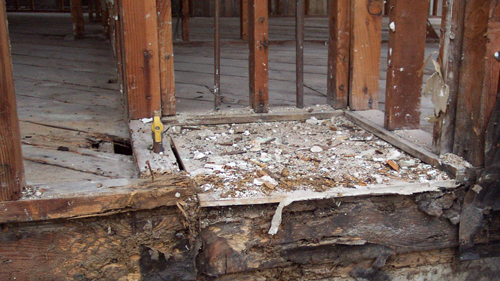
When uncovering walls during a bathroom remodel, homeowners and contractors often encounter alarming sights. One of the most shocking discoveries is wood framing that appears heavily charred, as though the building previously suffered a fire.
However, this blackened, deteriorated state is frequently the result of long-term water intrusion, particularly around vulnerable areas like windows located inside shower enclosures. Understanding how to identify this specific type of decay is critical for properly assessing structural integrity and ensuring a safe, lasting repair.
Why Shower Windows Are Particularly Vulnerable
Windows installed directly inside shower enclosures face constant, daily water exposure. If the window unit lacks proper flashing, or if the caulking and waterproofing membranes fail, moisture inevitably finds its way behind the wall coverings. Because this hidden space lacks airflow and sunlight, the trapped water cannot evaporate. This creates an ongoing cycle of dampness that rapidly accelerates fungal growth and rot within the structural trimmers and studs supporting the window.
Addressing The Damage During Remodeling
Encountering blackened, water-damaged wood requires immediate and thorough intervention. Rotted framing has lost its structural load-bearing capacity and cannot simply be dried out or painted over. All decayed lumber must be safely removed and replaced with new, dimensionally stable framing.
Furthermore, the underlying cause of the leak must be permanently resolved. This typically involves upgrading the waterproofing system, installing proper sill pans, and ensuring that all surrounding surfaces are completely impervious to water before closing the wall back up.
Three Key Tips
Do not mistake severe water rot for previous fire damage; while both can turn wood black, water-damaged wood will often feel damp, crumbly, and spongy, requiring immediate moisture mitigation.
Always inspect the structural trimmers and sill plates beneath any shower window during a remodel, as gravity pulls hidden water down to pool at the base of the framing.
Remove completely any blackened or fungus-covered lumber rather than trying to salvage it, because compromised wood loses its load-bearing strength and threatens the structural integrity of the wall.
The Visual Characteristics Of Severe Rot
Prolonged exposure to moisture completely transforms the cellular structure of lumber. When water leaks around a window trimmer or sill plate over an extended period, the wood becomes a breeding ground for various fungi, molds, mildews, and bacteria. The progression of this biological degradation usually follows several distinct physical changes:
Microorganisms begin feeding on the cellulose and lignin within the wood fibers
Affected structural boards transition to a deep, dark black or dark brown color
The material loses its structural mass and becomes highly brittle and crumbly
The remaining decayed wood visually and physically resembles burnt charcoal
Frequently Asked Questions About Structural Wood Rot
While understanding the visual signs of severe degradation is the first step in identifying a moisture problem, property owners must also consider the hidden structural and regulatory implications of advanced decay.
What Are The Structural Implications Of Advanced Fungal Decay In Load Bearing Walls?
Once wood reaches the crumbly, charcoal-like stage of brown rot, its structural integrity is entirely compromised. The International Residential Code requires that all framing members must possess the structural capacity to safely transfer both dead loads and live loads down to the foundation. Wood decay fungi consume the cellulose that provides timber with its essential tensile strength and stiffness. Therefore, significantly rotted studs or sill plates must be completely removed and replaced or structurally bypassed, as they no longer meet minimum load-bearing engineering requirements.
Can Severe Rot Develop In Pressure Treated Lumber Used For Sill Plates?
Yes, under specific environmental conditions. While chemically treated lumber resists decay, prolonged submersion or continuous moisture exposure without proper drying potential can eventually allow rot to take hold. Building codes universally mandate naturally durable or preservative-treated wood for sill plates resting directly on concrete or masonry foundation walls. However, if the chemical treatment does not fully penetrate the core of the lumber, field cuts or drilled holes that are not topically retreated on site can expose vulnerable interior wood fibers to moisture and subsequent fungal attack.
At What Minimum Moisture Content Does Wood Decay Fungi Become Active?
Wood decay fungi generally require a sustained wood moisture content of at least twenty percent to actively break down cellulose and lignin. Standard indoor structural framing naturally stabilizes at an equilibrium moisture content between eight and fourteen percent. Building science dictates that to prevent biological degradation, building envelopes must be carefully designed to deflect bulk water and allow wet structural assemblies to dry. If a roof or plumbing leak raises the internal wood moisture content above the twenty percent threshold for an extended duration, dormant spores naturally present in the environment will trigger the active decaying process.
Is It Permissible To Simply Attach New Wood Over Rotted Floor Joists?
Attaching new framing material next to compromised members, a practice commonly known as sistering, is a standard structural repair, but it must be executed correctly to meet building codes. Structural engineering best practices dictate that the primary source of the moisture intrusion must be completely eliminated before attempting any repair. Furthermore, if heavily decayed wood is left wet and untreated, the active fungi will quickly spread via direct contact to the newly installed joist. To comply with safe structural standards, the preferred method is to completely remove the degraded portion or chemically treat the remaining dry wood with a registered fungicidal borate solution before properly fastening the new structural support.