Comprehensive Wood Deck Maintenance And Damage Prevention
Wood decks represent a significant investment in your property, expanding your living space while enduring constant exposure to the elements. Without a strategic maintenance routine, environmental factors can rapidly deteriorate the structural integrity of your decking. Understanding how to identify early signs of wear, manage organic debris, and inspect the underlying framework is essential for maximizing the lifespan of your structure and ensuring long-term safety.
Identifying Surface Wear And Organic Debris Buildup
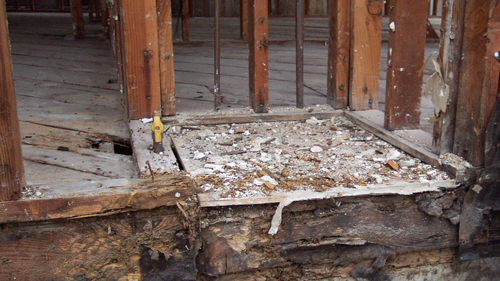
Surface damage on a wood deck can manifest in several ways, from visible gouges caused by impact or lumber defects to loose wood knots. A natural characteristic of lumber, knots are dense areas of wood that can loosen and fall out when surrounding wood begins to decompose. This decomposition is frequently accelerated by the accumulation of organic debris.
Leaves, dirt, and pine needles that become wedged between decking boards trap moisture against the wood fibers. As this organic matter decomposes, it creates a continuously damp environment that promotes fungal growth and wood rot, compromising the strength of the planks.
Addressing Fastener Failure And Material Degradation
A deck is only as strong as the fasteners holding it together. Occasionally, property owners may notice nail heads popping off or eroding prematurely. This fastener failure can be a warning sign of accelerated decomposition or chemical reactions between the metal, the moisture, and the natural tannins or chemical treatments present in the wood.
When a deck nail fails or pops out of the framing, it is highly recommended to extract the remaining stub if possible and replace it with a structural exterior-grade wood screw. Screws provide superior holding power and pull-out resistance, ensuring the decking boards remain securely fastened to the underlying joists.
The Critical Importance Of Substructure Inspections
A common and highly destructive mistake in deck maintenance is focusing solely on the visible surface. While pressure washing or hosing down the top of the deck creates a clean appearance, this practice often forces dirt, leaves, and water directly into the gaps and onto the underlying structural members.
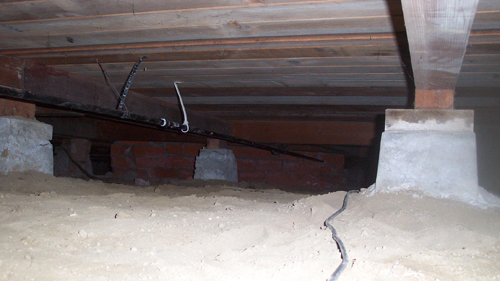
Debris that collects on top of joists, beams, and around structural posts will decompose in a heavily shaded, poorly ventilated environment. This creates a permanent moisture trap that slowly rots the structural framing beneath your feet. Proper maintenance requires accessing the area underneath the deck to clear away piles of organic matter, ensuring the primary framing members remain dry and structurally sound.
Long-Term Preservation Strategy
Effective deck preservation requires moving beyond aesthetic cleaning to implement a comprehensive inspection strategy. By consistently removing trapped organic matter from board gaps, addressing failed fasteners immediately, and verifying that the substructure is free of moisture-retaining debris, you can prevent minor issues from escalating into expensive structural failures.
Three Key Deck Maintenance Tips
Clear Gaps Between Deck Boards: Use a specialized debris removal tool, a rigid putty knife, or a shop vacuum to clear out organic material trapped between boards. This ensures proper water drainage and prevents localized wood rot along the edges of the planks.
Upgrade To Exterior Structural Screws: If existing nails back out or break, replace them with polymer-coated or stainless steel deck screws. These fasteners resist corrosion and hold decking securely against the framing, preventing boards from warping or becoming trip hazards.
Verify Drainage Around Footings And Posts: Ensure that water drains away from the base of the deck. Wood support posts that remain submerged in wet debris or standing water will eventually rot, severely compromising the load-bearing capacity of the entire structure.
Tips For Keeping Wood Decks Clean Of Debris
Maintaining a wood deck goes far beyond basic aesthetics. From a structural engineering and building science perspective, organic debris like leaves, pine needles, and dirt trap moisture directly against wood surfaces. This trapped moisture provides the ideal environment for wood-decay fungi, which physically breaks down the cellulose and lignin in the wood, eventually compromising the structural integrity of your deck framing and decking boards. Proper debris management is a critical preventative maintenance strategy to ensure your deck meets its intended lifespan.
Regular Sweeping And Surface Maintenance
The most effective line of defense against wood decay is keeping the surface dry. You should sweep your deck at least once a week during high foliage seasons. Using a stiff-bristled push broom is recommended because it can dislodge wet leaves that have adhered to the surface. When wet organic matter sits on wood, it creates a localized microclimate of high humidity, preventing the wood from drying out naturally and accelerating the decay process.
Trimming Surrounding Vegetation
Source control is highly effective for deck maintenance. Branches that hang directly over the deck deposit a continuous stream of leaves, sap, and shade. Shade prevents sunlight from drying the deck after a rainstorm. Trim back tree branches and large shrubs so they are at least three to five feet away from the deck perimeter. This promotes better airflow, which is a fundamental building science principle for keeping exterior wood structures dry and resistant to fungal growth.
Inspecting The Ledger Board And Flashing
The ledger board is the structural beam that attaches the deck to your house. According to the International Residential Code, proper flashing is required where the deck meets the house to prevent water from entering the building envelope. If leaves and debris pile up at this junction, they can trap water against the flashing and siding. Over time, water can bypass the flashing, leading to catastrophic rot in the home's rim joist and the deck ledger. Always clear debris from this area immediately and ensure the metal or vinyl flashing remains visible and uncompromised.
To help you fully protect your investment, we have compiled a few more advanced insights into deck maintenance and structural health below.
Bonus Questions And Answers
Does Power Washing Damage The Structural Integrity Of Wood Decking?
Yes, if done incorrectly, high-pressure washing will permanently damage wood. Wood is composed of structural fibers held together by lignin. High PSI pressure washing tears these fibers apart, causing severe splintering, gouging, and a fuzzy surface texture. Once the surface fibers are destroyed, the wood becomes more porous and absorbs water much faster, accelerating rot. The structurally sound approach is to use a chemical wood cleaner or oxygen bleach to loosen the debris and mold, followed by a low-pressure rinse that does not exceed one thousand to fifteen hundred PSI for softwoods like cedar or treated pine.
How Does Debris Affect The Deck Fasteners And Screws?
Wet debris trapped on a deck surface severely accelerates the corrosion of metal fasteners. The International Residential Code mandates the use of approved corrosion-resistant fasteners, such as hot-dipped galvanized or stainless steel, specifically because modern pressure-treated wood contains high levels of copper. When wet organic debris creates a continuous moisture bridge between the treated wood and the fastener, it acts as an electrolyte, accelerating galvanic corrosion. Keeping the deck clean ensures the fasteners remain dry, preserving the shear and withdrawal strength of the screws holding your deck together.
Why Is Under Deck Ventilation Important For Preventing Top Surface Debris Issues?
Even if you keep the top of your deck perfectly clean, poor under-deck ventilation can lead to severe structural issues. Building science dictates that exterior wood must be able to dry evenly on all sides. If the area under your deck is enclosed with solid skirting or lacks proper ground clearance, ground moisture evaporates and gets trapped under the deck boards. This causes the bottom of the boards to swell with moisture while the top dries in the sun, leading to severe cupping. Cupped boards form a concave channel on the top surface that holds water and collects dirt, making debris removal nearly impossible. Always ensure adequate cross-ventilation beneath the structure.
What Role Does Wood Sealer Play In Structural Preservation?
A high-quality, penetrating wood sealer acts as a hydrophobic barrier within the cellular structure of the wood. While a sealer cannot magically remove debris, it prevents wet leaves and sitting water from immediately penetrating the wood grain. Unsealed wood acts like a sponge, drawing water deep into its core where rot begins. By maintaining a sealed surface, you ensure that the moisture trapped by temporary debris accumulation remains on the surface where it can eventually evaporate, rather than compromising the internal structural fibers of the decking.