Addressing Hidden Drywall Corner Bead Damage Behind Baseboards
When renovating a room or upgrading trim, homeowners often uncover unexpected issues hidden from plain sight. A common discovery upon removing baseboards is damaged, corroded, or rusted metal drywall corner bead at the base of the wall. While this sight can be alarming, understanding the underlying cause and knowing the proper mitigation steps will ensure the structural integrity and aesthetic finish of your interior spaces.
The Importance Of Moisture Control
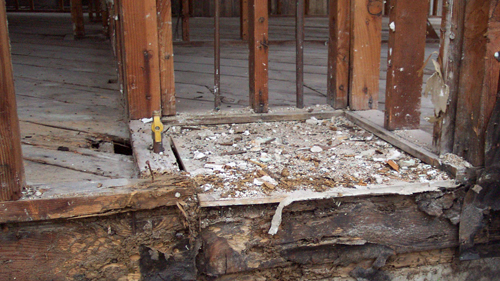
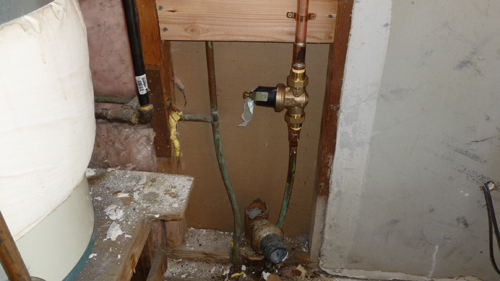
The presence of rusted or degraded metal corner bead is a clear indicator of past or present moisture accumulation. Before considering any drywall patching or cosmetic fixes, the source of this moisture must be definitively identified and eliminated. Chronic water exposure behind walls frequently originates from adjacent utility or plumbing areas. For example, if the opposite side of the damaged wall houses appliances like a washing machine, dryer, or water heater, even a minor, long-term leak or excessive condensation can cause significant localized deterioration. Resolving the plumbing leak or ventilation issue is the most critical step; failing to do so invites wood rot in the bottom plate and mold proliferation within the wall cavity.
Repair Strategies For Damaged Corner Bead
Once the moisture source is permanently resolved and the surrounding framing and gypsum board are fully dry, you must decide whether to replace the damaged metal. From a structural standpoint, the corner bead serves to protect the brittle drywall edge from impact and provides a straight, clean line for finishing. If the damage is superficial and will be entirely concealed by reinstalling baseboards of the same height or taller, complete replacement is not strictly necessary.
Executing A Clean Replacement
If the integrity of the corner is compromised or you prefer a complete restoration, replacing the lower section is a straightforward procedure. The standard method involves cutting away the affected section rather than attempting to pry off the entire floor-to-ceiling strip. Measure approximately six inches up from the floor, ensuring your cut line is well above the rusted area. Use a hacksaw or aviation snips to cleanly sever the damaged metal bead. Remove the lower section, install a newly cut, matching piece of metal corner bead with nails or screws, and finish the area with joint compound to blend it seamlessly into the existing wall plane.
Essential Tips For Corner Bead Maintenance
Prioritize moisture mitigation over cosmetic repairs. Always find and fix the water source before sealing up the wall. Covering an active leak with new drywall compound or baseboards will trap moisture, leading to severe structural decay in your wooden wall framing.
Upgrade baseboard height for easy concealment. If the wall is completely dry and the structural framing is verified to be sound, installing a taller baseboard is an acceptable, efficient way to cover lower-level cosmetic drywall flaws without the need for extensive taping and mudding.
Use proper tools for metal bead removal. When cutting out a damaged section, strictly use a hacksaw or aviation snips. Attempting to pull or pry the bead away from the wall before cutting it can tear the drywall paper face and fracture the joint compound far above your intended repair zone.
Frequently Asked Questions About Drywall And Moisture
To further assist you in maintaining the integrity of your home's interior, we have compiled additional expert insights regarding drywall systems and moisture management.
Does Building Code Require Water-Resistant Drywall Behind Baseboards?
The International Residential Code does not mandate the use of water-resistant drywall, commonly known as green board, in standard dry living areas such as living rooms, bedrooms, or hallways. Code specifically requires water-resistant gypsum backing board in damp locations like tub and shower surrounds. If your baseboard damage occurred in a standard room due to a localized leak from an adjacent laundry room, standard drywall is perfectly acceptable to use for the patch, provided the original leak is permanently resolved.
How Does Capillary Action Affect Drywall And Wood Framing?
When water accumulates on the floor from a leaking water heater or appliance, it does not just stay on the surface. Standard drywall is highly porous and will draw water upward through a process called capillary action. Building science best practices dictate that drywall should be installed with a slight gap, typically half an inch, above the subfloor. This deliberate gap prevents the gypsum core from acting like a sponge if a minor spill occurs, thereby protecting the wall assembly and the corner bead from unnecessary moisture wicking.
Should Rusted Corner Bead Be Treated With A Rust Inhibitor Before Covering?
If you choose to leave a lightly rusted corner bead in place and simply cover it with tall baseboards, sealing the rust is a highly recommended practice. Iron oxide, or rust, will continue to expand and can eventually bleed through standard latex paint or deteriorate further due to ambient humidity in the room. Applying an oil-based rust-inhibiting primer encapsulates the affected metal. This chemically stops the oxidation process, ensuring that the rust does not spread upward into the visible portions of the wall above the trim line.