The Truth About Mold Resistant Drywall
When planning a renovation or new construction project, moisture control is a primary concern. Many homeowners and contractors turn to mold resistant drywall with the expectation that it will completely eliminate the risk of fungal growth. While these specialized wallboards perform their intended function by resisting moisture better than standard paper faced drywall, they do not create an invincible barrier against water damage and mold.
The Vulnerable Materials In A Wall Assembly
The fundamental misunderstanding surrounding mold resistant drywall lies in the materials used alongside it. A finished wall is an assembly of multiple building products. Even if the gypsum board itself features a fiberglass mat or specially treated paper that resists mold, the surrounding components remain susceptible. During the finishing process, contractors apply joint compound to cover seams and fasteners. Once dried, standard joint compound is highly porous. If this material becomes damp, it provides an ideal food source for mold spores.
Hidden Moisture Risks Under Paint And Plaster
Beyond the joint compound, decorative finishes present additional vulnerabilities. Thin plaster coats, heavy textures, and even standard interior paints can harbor mold if subjected to persistent condensation or leaks. It is entirely possible for mold colonies to develop on the surface of the paint or trapped directly beneath it, completely bypassing the resistant properties of the drywall underneath.
Structural Framing And Moisture Intrusion
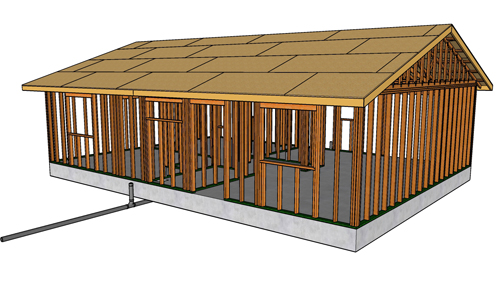
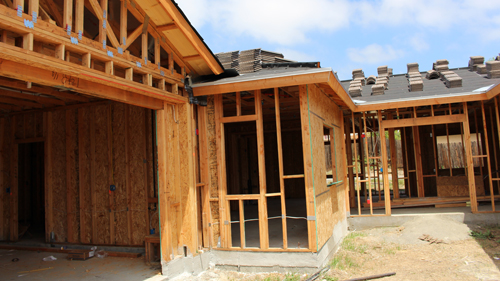
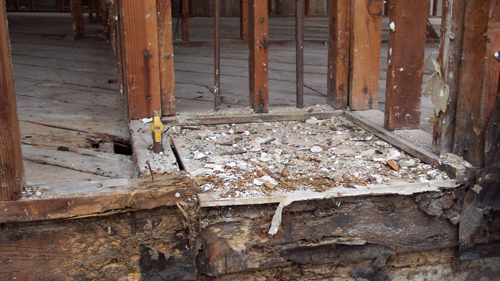
The wall cavity itself presents the final vulnerability. Behind the mold resistant drywall sits the structural framework of the home. Standard dimensional lumber used for wall studs is organic material that readily absorbs moisture. If a plumbing leak or exterior envelope failure introduces water into the wall cavity, the wood framing will support mold growth regardless of the drywall installed in front of it. Relying solely on specialty drywall products is insufficient; proper waterproofing, ventilation, and moisture management are the only true defenses against mold in a building.
Three Key Construction Tips For Moisture Management
Do not rely on mold resistant drywall as a substitute for active leak prevention and proper waterproofing in wet areas.
Understand that standard joint compounds and texturing materials can support mold growth, requiring moisture control to address the entire finished wall surface.
Address any plumbing leaks or exterior envelope intrusions immediately to protect vulnerable wood framing within the wall cavity, as treated drywall will not protect the structural lumber behind it.
Does Mold Grow On Mold Resistant Drywall
Many homeowners and builders invest in mold-resistant drywall, expecting it to act as an impenetrable shield against bathroom and basement fungi. However, the short answer is yes, mold can still grow on mold-resistant drywall under the right conditions. In building science, it is crucial to understand the distinction between mold-resistant and mold-proof. No building material is entirely immune to mold if the environmental conditions heavily favor fungal growth.
How Mold Resistant Drywall Works
Standard drywall consists of a gypsum core sandwiched between two layers of cellulose paper. Cellulose is a prime food source for mold spores. Mold-resistant drywall modifies this construction to remove or protect that food source. The core is typically treated with moisture-repelling chemicals, and the paper facing is either treated with antimicrobial agents or replaced entirely with an inorganic fiberglass mat. By removing the organic food source, the drywall slows down mold growth significantly compared to standard gypsum board, but it does not stop moisture from existing in the room.
Key Factors That Encourage Fungal Growth
Even with treated building materials, environmental factors and improper construction practices can lead to fungal growth on top of the drywall. The mold is not eating the drywall itself; it is feeding on external organic matter. Common causes include:
Surface contamination from dust, pet dander, and airborne organic particles that settle on the walls
Inadequate mechanical ventilation failing to remove ambient humidity from the airspace
Continuous direct water exposure from undetected plumbing leaks behind the wall assembly
The application of standard organic interior paint which provides an alternative food source for airborne spores
Building Code And Ventilation Best Practices
To prevent mold growth on any interior surface, aggressive moisture management is structurally necessary. The International Residential Code dictates specific ventilation requirements to handle moisture in wet environments. Bathrooms must have either an openable window of a specific square footage or a mechanical exhaust system. Properly sizing an exhaust fan and ensuring it vents directly to the exterior of the building, rather than dumping moist air into an attic or crawlspace, is legally required by code to prevent the condensation buildup that inevitably leads to mold.
Additional Insights On Drywall And Moisture Management
If you are planning a residential remodel or managing water damage, exploring the technical requirements of moisture-resistant materials is vital for ensuring a safe, code-compliant home.
Can You Use Mold Resistant Drywall In A Shower Enclosure
No, you cannot use standard water-resistant gypsum backing board behind tile in a shower or bathtub compartment. According to International Residential Code Section R702.4.2, standard water-resistant gypsum board is explicitly prohibited in areas subject to direct water exposure. Instead, structural engineering best practices and building codes require the use of cementitious backer board, fiber-cement backer board, or glass-mat water-resistant gypsum panels that meet strict ASTM C1178 standards, as these inorganic materials will not disintegrate when subjected to constant wetting behind porous grout lines.
Does Mold Resistant Drywall Require Special Mud And Tape
Yes, using standard cellulose paper tape on mold-resistant drywall completely defeats the purpose of the moisture-resistant installation. Because mold feeds on cellulose, applying paper tape introduces a direct food source right at the wall seams. To maintain the structural and environmental integrity of a mold-resistant assembly, building science dictates the use of an antimicrobial fiberglass mesh tape combined with a setting-type joint compound, rather than standard pre-mixed air-drying mud which easily absorbs and holds ambient moisture.
Will A Vapor Barrier Prevent Mold Behind Mold Resistant Drywall
A vapor barrier can actually cause massive mold outbreaks if installed incorrectly. In many climates, placing a plastic vapor barrier directly behind mold-resistant drywall on an interior wall will trap condensation inside the wall cavity, especially in air-conditioned homes during humid summer months. The International Building Code dictates vapor retarder placement based strictly on regional climate zones. Wall assemblies must be allowed to dry in at least one direction, meaning inappropriate use of a vapor barrier will trap moisture, encourage hidden mold, and eventually rot the wooden structural framing behind the drywall.
How Do You Treat Mold Resistant Drywall After A Flood
Even though it actively resists ambient moisture, any mold-resistant drywall that has been physically submerged in floodwater must be completely removed and replaced. Floodwater is classified as Category 3 water, containing severe pathogens, soil, and chemical contaminants. The porous gypsum core of the drywall will absorb this contaminated water through capillary action. From a structural engineering and health standpoint, the integrity of the gypsum is permanently compromised, and leaving the drywall in place will inevitably lead to structural decay and toxic biological growth.