Assessing Water Damage And Mold Behind A Leaking Water Heater
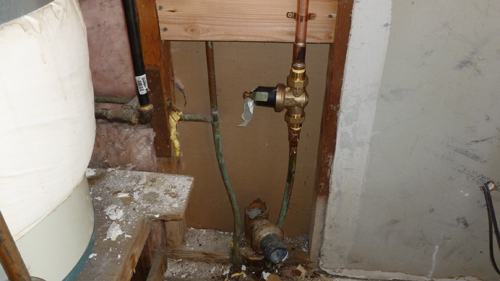
When a water heater fails and leaks, the visible surface damage is often just the beginning. Water quickly travels into surrounding materials, making it crucial to look beyond the immediate area. Inspecting the platform, adjacent drywall, and underlying structural framing is an essential step in properly restoring your space and ensuring the long-term structural integrity of the building.
The Hidden Dangers Of Water Soaked Drywall
Drywall acts like a sponge when exposed to standing water. It absorbs moisture rapidly, drawing it up the wall and transferring it directly into the wooden studs and structural framing. Even if the front of the wall looks relatively intact, moisture trapped behind the surface creates an ideal environment for mold growth and wood rot. You cannot truly determine the extent of the water damage without removing the affected sections of drywall to thoroughly inspect the enclosed wall cavity.
Inspecting The Structural Framing
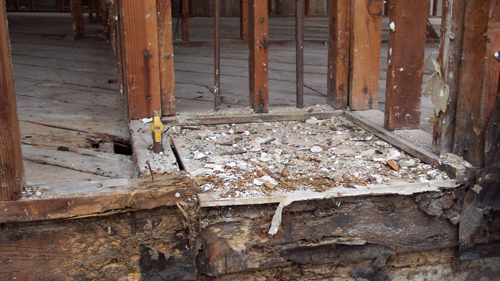
Once you open the wall, you can properly evaluate the condition of the wooden wall studs and bottom plates. In many cases, water heavily impacts the framing directly behind the water heater, while areas closer to the floor may surprisingly remain in good condition.
If the wood shows early signs of water exposure but remains structurally sound and free from severe rot or pest damage, it may not need complete replacement. Building practices often dictate sistering new wall studs next to weakened ones to safely restore the load-bearing capacity of the wall without tearing out the entire frame.
Understanding Mold Growth On Building Materials
A common misconception is that mold penetrates entirely through the solid core of all building materials. In reality, mold spores typically colonize on the surface areas where moisture and organic food sources are present, such as the outer paper backing of drywall panels. Removing the drywall allows you to find these hidden patches of mold on the backside and ensures that compromised, unsalvageable materials are completely removed from the structure.
Conclusion
Properly diagnosing water damage from a leaking water heater requires a thorough forensic approach. By tearing out the wet drywall and closely inspecting the structural framing, you can identify hidden mold, assess the true condition of the wood, and execute repairs that meet professional construction standards. Taking the time to look behind the walls ensures that your repair work is safe, effective, and structurally sound for years to come.
Three Key Construction Tips For Water Damage Inspection
Always remove waterlogged drywall to inspect the wall cavity, as drywall wicks moisture directly into structural framing and creates hidden hazards.
Evaluate the integrity of wooden wall studs before replacing them; structurally sound studs can often be saved or reinforced by sistering new lumber alongside them.
Do not rely solely on visual surface inspections, as heavy mold growth frequently hides on the backside of drywall panels where moisture becomes trapped in the dark.
To help you further understand the building science and codes surrounding water heater installations and repairs, here are a few additional insights.
Frequently Asked Questions About Water Heater Repairs
Are Drain Pans Required Under Water Heaters To Prevent Future Water Damage
The International Plumbing Code and standard residential building codes generally require a watertight pan with a dedicated drain line when a water heater is installed in a location where a leak could cause structural damage. This pan catches the initial leak and safely routes the water to an approved exterior drain, protecting the structural framing and subfloor from the exact type of hidden rot and mold discussed earlier.
What Is The Proper Way To Treat Mold On Structural Wall Studs
While many homeowners reach for household bleach, standard industrial hygiene and construction guidelines advise against using bleach on porous materials like wood because its high water content can actually feed the roots of the mold. The accepted best practice is to physically remove the surface mold using abrasive methods like wire brushing or sanding, followed by the application of an approved antimicrobial fungicide formulated specifically for porous building materials.
How Should New Drywall Be Installed Over A Water Heater Platform
When installing new drywall in an area prone to moisture, building best practices dictate that the bottom edge of the drywall should never sit directly on the floor or platform surface. A minimum half-inch gap must be maintained between the floor and the bottom edge of the drywall panels to prevent the material from instantly wicking up moisture from the ground in the event of another leak or spill.