Understanding The Root Causes Of Drywall Cracks Before Repairing Them
Patching a crack in the wall might seem like a straightforward weekend project, but addressing the cosmetic damage without investigating the underlying cause often leads to the same crack reappearing. Drywall acts as a rigid skin over the structural skeleton of a house. When that skeleton moves or fails, the drywall fractures. Before applying joint compound, it is critical to diagnose why the separation occurred in the first place.
Foundation Movement And Soil Settlement
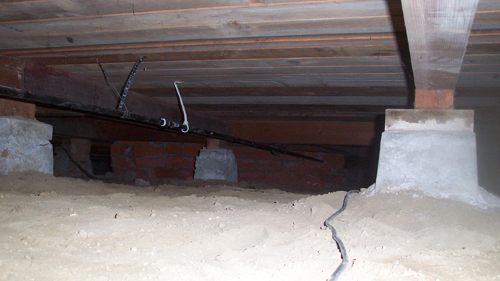
The most common culprit behind severe wall cracking is structural movement, which frequently originates at the foundation. A building foundation can sink or heave due to changing soil conditions. Common triggers include soil erosion from plumbing leaks or poor drainage, frost heaving in colder climates, and improper soil compaction prior to construction.
When a section of the foundation shifts, it pulls the attached wall framing with it. This creates immense shear stress on the brittle drywall, inevitably causing it to tear. Generally, a larger or rapidly expanding separation indicates a more severe structural issue that requires professional evaluation.
Environmental Factors And Framing Damage
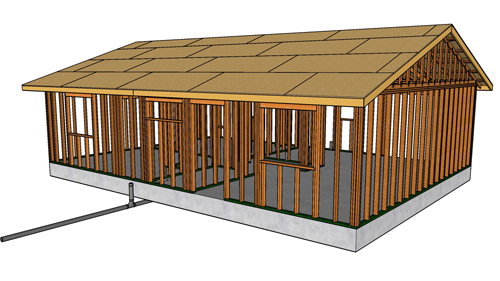
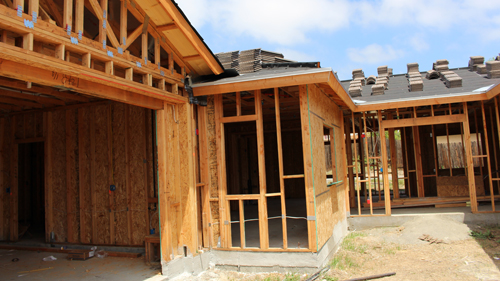
Even with a stable foundation, the wood framing that supports the walls can shift. Extreme fluctuations in temperature and humidity cause wood to expand and contract. This is especially prevalent in vacant buildings left without consistent climate control. High winds and seismic events also introduce lateral loads that flex the building envelope. Additionally, compromised framing directly translates to compromised walls.
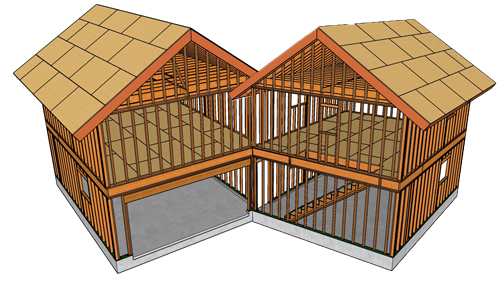
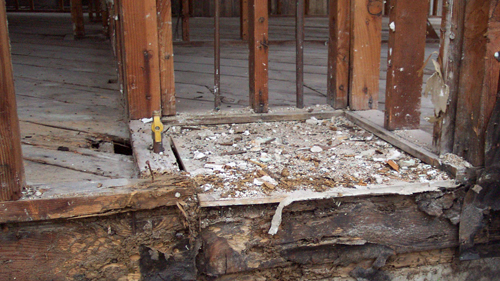
Wood rot from moisture intrusion or structural damage caused by termites weakens the studs and plates, leading to sagging and subsequent wall fractures. Roof truss uplift, a phenomenon where the bottom chord of a truss arches upward during cold weather, frequently causes cracks along the intersection where interior walls meet the ceiling.
Material Failures And Improper Installation
Not all wall defects stem from structural movement. In many cases, the original installation or the materials used are to blame. Drywall joint compound and tape have a specific shelf life and must be mixed and applied correctly. Using expired products or mixing site-prepared materials with the wrong water ratio compromises adhesion, leading to hairline cracks along the seams where two panels meet.
Furthermore, incorrect fastening schedules compromise the entire assembly. Using screws or nails that are too short, spaced too far apart, or driven too deeply past the paper face diminishes their holding power. Over time, the panels shift slightly against the studs, popping fasteners and breaking the finished joints.
Conclusion And Next Steps
Permanently fixing a cracked wall requires a two-step approach: diagnosing and resolving the underlying structural or material failure, followed by the cosmetic repair. By identifying whether the issue stems from foundation settlement, environmental stress, or poor installation, property owners can implement long-term solutions rather than applying a temporary bandage.
Three Key Tips
Investigate foundation stability before patching. Large wall fractures usually point to soil erosion, frost heave, or poor soil compaction causing the foundation to shift. Fixing the root structural issue is required before repairing the cosmetic damage on the wall.
Verify climate control consistency. Buildings without active heating and cooling experience severe temperature and humidity swings, causing the wood framing to expand, contract, and crack the rigid interior surfaces.
Check drywall fastener depth and spacing. Joint failures often occur because the original screws were driven too deeply and tore the paper face, reducing their holding power and allowing the panels to shift against the framing studs.
Bonus Questions And Answers
While understanding the root causes of wall damage is the first step, property owners often have additional questions regarding the technical aspects of structural movement and drywall installation.
Why Do Some Wall Cracks Run Diagonally While Others Are Straight?
The direction of a crack provides strong clues about the underlying structural forces at play. Straight vertical or horizontal cracks typically follow the seams between drywall panels and usually indicate improper taping, minor framing expansion, or truss uplift. However, diagonal cracks that step off from the corners of windows and doors are strong indicators of differential settlement or shear stress. According to standard structural engineering principles, openings are the weakest points in a framed wall. When a foundation sinks unevenly, the resulting shear forces concentrate at these corners, causing the rigid drywall to tear diagonally.
Are Control Joints Required For Long Expansions Of Residential Drywall?
It is a common misconception that drywall can span infinite distances without relief, but building standards dictate otherwise. The Gypsum Association guidelines, which are heavily referenced by the International Building Code, require the installation of control joints in continuous drywall surfaces exceeding thirty feet in any direction, or where the framing material changes. These specialized joints relieve the internal stresses caused by thermal expansion, contraction, and minor structural settling. Omitting control joints in massive ceilings or long corridors almost guarantees that the wallboard will eventually buckle or crack under its own restricted movement.
Should I Use Mesh Tape Or Paper Tape When Repairing A Structural Wall Crack?
Once the underlying structural issue is resolved, selecting the correct repair material is vital for preventing future separation. Paper tape is generally superior to fiberglass mesh tape for structural repairs. While mesh tape is self-adhesive and easier to apply, it is prone to stretching under tension. Paper tape, when properly embedded in standard setting-type joint compound, creates a highly rigid bond that resists shear forces. Building science dictates that the strongest joint assembly relies on the tensile strength of the paper combined with the hardening properties of the compound, ensuring the seam can withstand normal, minor seasonal shifts in the wood framing.