Proper Electrical Outlet Placement For Garage Safety
Creating a functional and safe garage environment requires careful attention to detail, especially when routing electrical wiring. A common but easily avoidable mistake is installing surface-mounted electrical outlet boxes on the exterior or interior walls when they are not structurally necessary. While a protruding electrical box might seem like a quick fix, it introduces immediate physical hazards into your workspace.
The Problem With Surface Mounted Outlets In Tight Spaces
When an electrical box protrudes from the side of a building or a garage wall, it creates a dangerous snagging point. Garages and adjacent exterior walkways are naturally high-traffic zones where homeowners frequently maneuver lawnmowers, carry power tools, and drag extension cords. A box jutting out next to a doorway essentially builds a miniature obstacle course. Cords can easily loop around the housing, and walking past it with heavy equipment increases the risk of collision, which could permanently damage the electrical enclosure.
Flush Mounting As The Preferred Installation Method
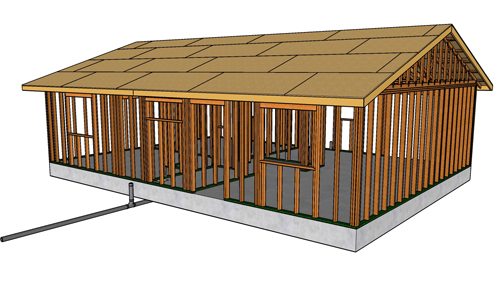
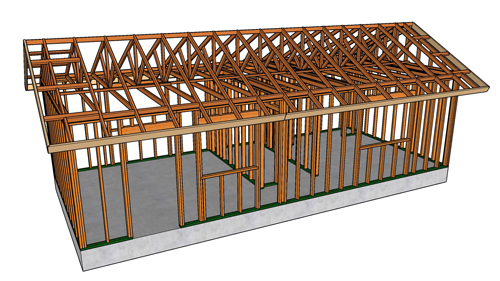
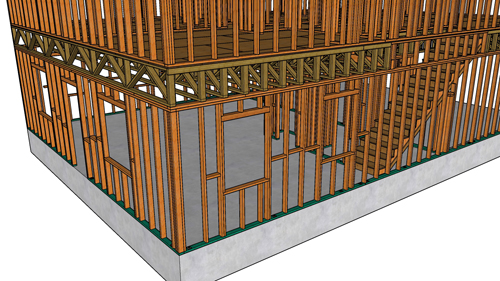
If you are retrofitting electricity to an existing solid masonry home, surface-mounted conduit and boxes are sometimes the only practical option. However, in an unfinished wood-framed garage where the interior studs are exposed and no drywall is present, surface mounting on the exterior is a sign of poor planning. The installer has complete access to the open wall cavity. In these scenarios, the electrical box should be mounted flush with the exterior siding, completely recessing the body of the receptacle into the wall framing.
Prioritizing Walkway Clearance And Traffic Flow
Before cutting into siding or securing a fixture, contractors and homeowners must evaluate the natural traffic patterns surrounding the door. Even if an outlet is recessed, placing it on the side of the door that receives the majority of foot traffic is less than ideal. Always analyze where equipment is stored, determine where the natural pathways lie, and install necessary receptacles on the side of the door that experiences the least amount of pedestrian and equipment movement.
Three Key Construction Tips For Outlet Installation
Always mount electrical boxes flush within the wall cavity during new construction or when working inside unfinished garages with exposed framing.
Evaluate natural pedestrian and equipment traffic patterns around doorways before deciding on the final location for an exterior receptacle.
Secure and protect all exposed electrical wiring on the interior of the garage to prevent accidental severing or degradation from environmental exposure.
Bonus Questions And Answers About Garage Electrical Codes
While properly mounting your electrical boxes is a great first step in avoiding snag hazards, there are other crucial regulations to consider when wiring a garage. Below are a few common questions regarding standard electrical practices that build upon the safety principles discussed above.
Question: Does The Electrical Code Allow Exposed Wiring In An Unfinished Garage?
According to standard National Electrical Code guidelines, nonmetallic-sheathed cable, commonly known as Romex, cannot be left exposed if it is subject to physical damage. In an unfinished garage, wires running along the face of the framing studs within the normal working height of the room must be protected. This is typically achieved by routing the cables through drilled holes in the center of the studs or shielding them within approved rigid or flexible conduit. Local jurisdictions often specify the exact minimum height requirements for this physical protection.
Question: What Are The Weather Protection Requirements For Outdoor Receptacles?
If you are installing a flush-mounted outlet on the exterior of your garage, standard building practices require it to be fully protected from moisture. The National Electrical Code mandates that all 15-amp and 20-amp receptacles installed in wet locations must have a weather-resistant rating. Furthermore, they must be enclosed within a specialized in-use cover, often referred to as a bubble cover. This ensures the electrical connection remains completely shielded from rain and snow even while an extension cord is actively plugged into the socket.
Question: Are Ground Fault Circuit Interrupters Required For Garage Outlets?
Safety standards heavily regulate areas where water and electricity might mix. Modern building codes require that all standard receptacles located in garages, accessory buildings, and exterior outdoor spaces be equipped with Ground Fault Circuit Interrupter protection. A GFCI device continuously monitors the electrical current and will instantly break the circuit if it detects an imbalance caused by a ground fault. This life-saving feature prevents severe electrical shocks, especially when operating tools on a damp concrete floor or wet exterior driveway.