How To Safely Remove Old Concrete Fence Post Footings
Discovering abandoned concrete fence post footings buried in your yard can be a frustrating obstacle during landscaping or renovation projects. While leaving them in the ground is an option, removing these hidden hazards creates a cleaner, safer, and more usable outdoor space. Whether you are planting a garden or preparing for a new build, extracting these heavy concrete blocks requires patience, proper leverage, and safe lifting techniques.
Excavation And Loosening The Base
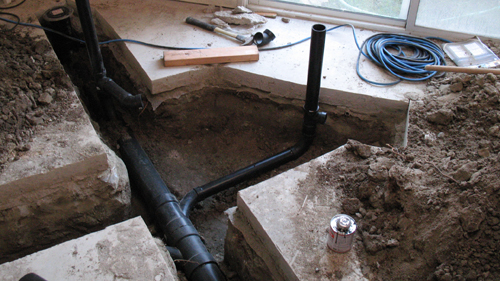
The first step to successful removal is thorough excavation. Begin by digging a trench entirely around the concrete base, going as deep as possible. The goal is to expose the footing and break the suction of the surrounding soil. Once the dirt is cleared, insert a sturdy piece of lumber, such as a two by four, two by six, or two by ten, between the earth and the concrete block. Use this board to pry and wiggle the footing. If the base remains stubborn, continue digging to remove more soil resistance. Patience is critical during this phase.
Safe Leverage And Extraction
Once the concrete footing is sufficiently loosened, you can use your lumber as a lever to pry the block upward and force it out of the hole. It is highly advised against attempting to grab the heavy concrete and manually deadlift it directly from the ground, as this presents a severe risk of back injury. Use the mechanical advantage of your lever to do the heavy lifting, raising the edge of the block until it is manageable. If the footing proves exceptionally heavy, enlist the help of an able-bodied partner to assist with the final removal.
Breaking Down Oversized Footings
In cases where the concrete footing is overwhelmingly large or heavy, manual extraction in one piece may not be feasible or safe. Instead of risking injury, use a sledgehammer to break the concrete into smaller, manageable chunks. Because old fence post footings often contain a hollow cavity or a completely rotted wooden post in the center, they are structurally compromised and relatively easy to shatter. Strike the concrete around the edges of the rotted core. For massive industrial-sized footings, renting an electric demolition hammer may be necessary, but a standard sledgehammer is usually sufficient for residential applications. Once broken, remove the debris piece by piece and backfill the hole with fresh soil.
Three Key Tips For Concrete Footing Removal
Prioritize Leverage Over Brute Force: Always rely on a sturdy piece of lumber to pry the concrete base loose rather than attempting to physically pull an unyielding block from the ground.
Dig Deep To Break Soil Suction: The primary resistance when pulling a footing is the friction and suction of the surrounding dirt. Digging a wide, deep perimeter trench drastically reduces the force required to free the concrete.
Exploit The Rotted Core: When breaking apart a stubbornly large footing with a sledgehammer, aim your strikes near the center where the original wooden post has rotted away. This hollow core acts as a structural weak point, allowing the concrete to crack much faster.
Bonus Questions And Answers
Can I Use Expansive Foam Instead Of Concrete For The New Footings?
High density polyurethane composite foam is recognized by many local building departments as an acceptable alternative backfill material for fence posts, but it behaves completely differently than concrete. Because foam is incredibly lightweight, it relies entirely on the tight compaction of the surrounding undisturbed soil to resist lateral wind loads. Concrete adds significant dead weight to the base of the post, which inherently lowers the center of gravity and provides superior resistance to wind. If you removed an old footing and the resulting hole is exceptionally wide or the surrounding soil was loosened during extraction, concrete is structurally superior to foam because it fills the massive void with dense, stabilizing mass.
What Is The Proper Diameter For A Replacement Concrete Fence Footing?
Structural engineering principles generally dictate that a fence post footing should have a diameter that is three times the width of the post being installed. For a standard nominal 4x4 wood post, which actually measures three and a half inches by three and a half inches, the hole should be roughly ten to twelve inches in diameter. This specific ratio ensures there is a sufficient volume and thickness of concrete surrounding the wood to distribute the bending forces caused by wind into the surrounding soil without cracking or shattering the concrete envelope.
How Should You Dispose Of Old Concrete Footings?
Once you have successfully wrestled those heavy blocks of concrete out of the ground, you are left with the challenge of responsible disposal. Concrete is considered heavy construction and demolition waste and cannot be placed in standard residential trash bins. The most environmentally responsible and cost-effective method is to transport the broken concrete to a local masonry recycling facility, where it can be crushed and repurposed as road base or aggregate. If transporting heavy loads is not feasible, renting a dedicated roll-off dumpster specifically rated for heavy materials is the safest alternative. Always confirm weight limits with your waste management provider, as overloading a standard dumpster with solid concrete can result in severe municipal fines or a refusal of service.