Essential Strategies For Wood Fence Longevity And Moisture Control
Protecting a wood fence from premature decay requires a strategic approach to moisture management and site drainage. While wood provides a classic aesthetic for residential perimeters, its cellular structure makes it highly susceptible to fungal decay, dry rot, and wood-destroying insects like termites when exposed to prolonged dampness. Understanding the environmental factors that impact your fencing can significantly extend its structural lifespan.
The Importance Of Proper Concrete Footings And Grading
The foundation of a durable wood fence begins at the ground level. A critical construction standard is isolating the wooden posts from direct soil contact. When soil rests against the base of a wood post or buries the concrete footing, it acts as a sponge that continuously transfers moisture into the structural materials.
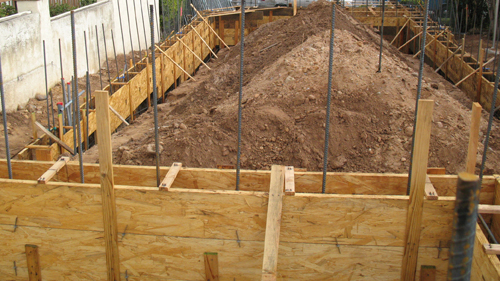
To mitigate this, standard best practices dictate that concrete footings should be poured so they extend slightly above the surrounding soil grade. By creating a slight slope or crown at the top of the concrete pier, water is directed away from the base of the post. This promotes rapid drying after rain events and prevents standing water from seeping into the joint between the wood and the concrete.
Managing Landscaping And Vegetation Near Fences
While integrating plant life along a fence line enhances landscape design, it introduces significant risks to the wood's structural integrity. Dense vegetation climbing on or densely packed against fence panels restricts airflow and blocks direct sunlight. In shaded areas, this creates a microclimate that prevents the wood from fully drying.
The constant retention of moisture accelerates the breakdown of wood fibers. Furthermore, the method of irrigation plays a major role. High-pressure sprinkler systems that repeatedly spray directly onto the fence panels essentially trap the wood in a continuous cycle of wetness. Transitioning to a drip irrigation system for boundary plantings provides necessary hydration to the roots without saturating the adjacent structural wood.
Preserving Your Structural Investment
Maintaining a clear boundary between moisture sources and your wood fencing is the most effective way to prevent structural failure. By ensuring proper grading around post bases and carefully managing adjacent vegetation and irrigation, property owners can preserve the strength and appearance of their fencing for decades.
Three Key Construction Tips For Fence Maintenance
Crown the concrete footings slightly above grade to shed water away from the wooden post base, minimizing water pooling and moisture absorption.
Maintain a clear visual zone between soil, mulch, and the bottom of the fence panels to prevent capillary action from drawing ground moisture up into the wood grain.
Utilize drip irrigation instead of broadcast sprinklers near fence lines to avoid repeatedly soaking the wood and accelerating the rotting process.
Bonus Questions And Answers
Beyond moisture control at the surface, property owners often overlook the hidden structural components and materials that ensure a fence meets building standards.
What Type Of Fasteners Should Be Used For Exterior Wood Fences?
To ensure structural integrity over time, all nails, screws, and hardware used in exterior wood fencing must be corrosion-resistant. According to building code standards for exterior structures, when utilizing preservative-treated wood, fasteners must be hot-dipped galvanized, stainless steel, or specifically coated for use with treated lumber. Standard steel fasteners will rapidly corrode when exposed to outdoor moisture and the copper-based chemicals often used in treated wood, leading to rust stains and eventual structural failure as the joints weaken.
Is Pressure-Treated Wood Required For All Fence Components?
Building codes generally mandate that any structural wood in direct contact with the ground or embedded in concrete must be an approved preservative-treated wood or a naturally durable species like heartwood redwood or western red cedar. While the main structural posts require this heavy-duty protection against subterranean moisture and insects, the above-ground pickets and horizontal rails do not strictly require ground-contact treatment levels. However, utilizing weather-resistant species or applying a high-quality topical sealant to all components is strongly recommended to protect the entire assembly against ultraviolet degradation and atmospheric moisture.