How To Identify And Diagnose A Leaning Fence Post
A leaning fence is more than an aesthetic issue; it is a clear indicator of structural compromise. While a slight deviation might seem minor, it often points to a larger problem at the foundation of the fence. Recognizing the early warning signs of a failing fence post can save property owners from complete structural collapse and extensive repair costs.
Conducting A Visual Fence Inspection
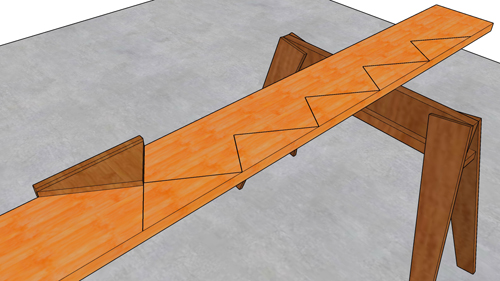
The most effective way to identify a problematic fence post is through a simple visual inspection. When professionals construct a wooden fence, they typically utilize a string line to ensure the top rail remains perfectly straight and level. Over time, ground movement, wind loads, or material degradation can cause variations in this line. By standing at one end of the fence line and looking along the top edge, property owners can easily spot any sections that lean or sag. A noticeable dip or tilt is usually localized over a specific failing post.
Physical Testing For Structural Integrity
Once a leaning section is identified visually, physical verification is required. The most common culprit behind a leaning fence is a post that has sustained damage at its base. This damage is typically the direct result of wood rot, prolonged moisture exposure, or subterranean termite activity. To test the structural integrity, firmly push against the suspect post. A sound, structurally intact fence post embedded properly in a footing will not yield to moderate lateral pressure. If the post moves easily or feels loose, the base has likely degraded and lost its anchoring strength.
The Cost Of Delayed Maintenance
Addressing a damaged post immediately is critical for the overall health of the fence system. A wooden fence acts as an interconnected structural unit. When a single post fails, it transfers its load and wind resistance responsibilities to the adjacent posts on either side. These neighboring posts are not engineered to support this additional strain, which accelerates their deterioration. If left unresolved, a minor issue can cascade into a complete structural failure, requiring the replacement of entire fence panels rather than just a single support post.
Three Key Tips For Fence Post Inspection
Utilize the line of sight method by standing parallel to the fence and looking down the top rail to spot structural deviations and locate the specific problem area.
Compare the stability of a suspected failing post by applying moderate lateral pressure to it, and then testing a known sturdy post for a reliable reference point.
Intervene at the first sign of wood rot or base damage to prevent structural load transfer from destroying adjacent posts and causing a complete collapse.
Frequently Asked Questions About Fence Structural Integrity
Beyond identifying a failing post, understanding the mechanics of a proper installation and structural design can help prevent future issues entirely.
How Deep Should A Fence Post Be Buried To Prevent Leaning?
To ensure maximum stability and resist wind loads, a fence post should generally be buried at a depth equal to one-third of its total above-ground length, plus an additional margin to bypass the local frost line. While the International Residential Code often exempts fences under seven feet tall from requiring a formal building permit, standard structural engineering principles dictate that footings must extend below the frost depth in colder climates. Frost heave occurs when ground moisture freezes and expands, pushing shallow footings upward and causing the fence to lean or destabilize.
What Is The Best Material To Prevent Fence Post Rot?
The most effective defense against base rot is utilizing wood that is specifically treated for ground contact. According to the American Wood Protection Association standards, lumber used for fence posts must carry a UC4A or UC4B structural ground-contact rating. Standard pressure-treated wood intended only for above-ground use will rapidly decay when exposed to soil moisture and subterranean insects. For maximum longevity, construction professionals often apply a copper naphthenate or asphalt-based wood preservative to the end-grain and the portion of the post encased in soil or concrete.
How Should Concrete Be Poured Around A Fence Post?
The geometry of the concrete footing is critical for preventing moisture accumulation, which is the primary cause of base failure. When pouring concrete around a wooden fence post, the top of the concrete must be brought slightly above the surrounding soil grade and troweled into a sloped dome shape. This domed collar forces rainwater to shed away from the wood rather than pooling against it. If the concrete is left flat or creates a depression around the base, it acts as a funnel for standing water, accelerating the exact type of rot that causes leaning fences.