How Burrowing Pests Compromise Building Foundations
Gophers and similar burrowing animals may seem like a minor landscaping nuisance, but their presence near a building foundation is a serious structural threat. Whether a home features a raised foundation or a solid concrete slab, rodent tunnels create subterranean voids that undermine the structural integrity of the footing.
The Mechanics Of Soil Erosion And Foundation Voids
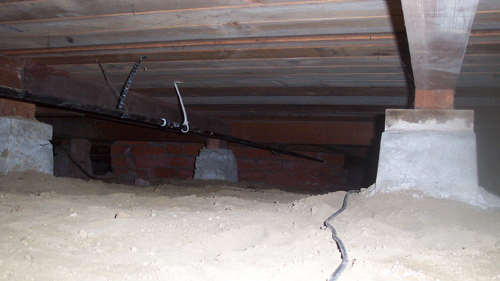
Burrowing animals dig extensive networks beneath the surface. When these tunnels run underneath concrete footings, they displace the compacted soil that supports the weight of the house. A single tunnel might not cause immediate failure, but as the tunnel network expands, a significant loss of bearing soil occurs. This localized soil erosion leaves sections of the foundation completely unsupported, transferring the building's massive weight across dangerous empty gaps.
Differential Settlement And Concrete Cracking
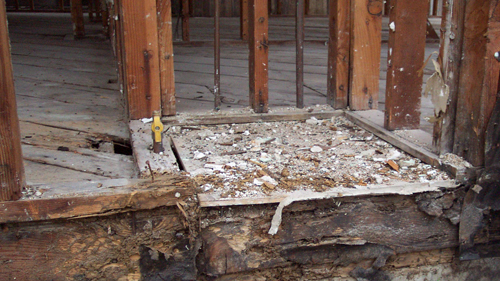
When soil support is removed from beneath a footing, gravity takes over. The unsupported sections of the building will eventually begin to settle into the subterranean voids, a process known in structural engineering as differential settlement. This uneven settling applies immense stress to the concrete, causing it to crack, split, and sink deeper into the soil.
The Role Of Structural Reinforcement
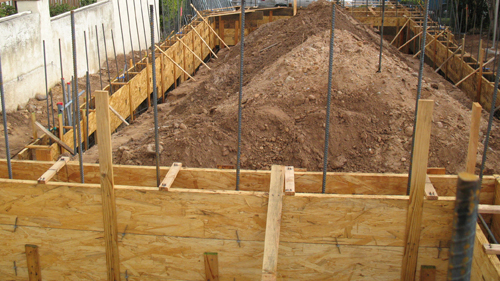
The severity of the damage often depends on the age and construction of the foundation. Modern homes typically feature concrete footings reinforced with steel rebar. This reinforcement allows the concrete to act somewhat like a continuous structural beam, bridging smaller voids and temporarily resisting the bending forces caused by soil loss.
However, older homes built without structural reinforcement are highly vulnerable. Unreinforced concrete lacks the tensile strength to span these gaps, meaning the foundation will crack and fail much faster once the supporting dirt is compromised.
Addressing The Threat
Addressing burrowing pests immediately is critical for preventative home maintenance. Allowing gophers to establish a village beneath a home guarantees eventual structural damage, turning a simple pest control issue into a severe and expensive foundation repair.
Essential Tips For Protecting Your Foundation
Inspect the perimeter of your home regularly for small mounds of fresh dirt, which serve as the first visual indicator of subterranean burrowing activity near your structural footings.
Address pest infestations immediately upon discovery, as the exponential growth of tunnel networks will rapidly accelerate the loss of bearing soil beneath the concrete.
Evaluate your foundation type, keeping in mind that older, unreinforced concrete foundations will suffer catastrophic cracking from soil voids much faster than modern, steel-reinforced foundations.
Additional Insights On Foundation Preservation
To help you fully protect your property, here are a few additional insights into managing foundation threats that go beyond the initial pest infestation.
How Do Structural Engineers Repair Foundation Voids Caused By Burrowing Animals
Once the pests have been eradicated, the empty space beneath the concrete must be filled to restore the soil bearing capacity required by the International Residential Code. Contractors typically utilize a process called slab jacking or polyurethane foam injection. A high-density geopolymer foam or a cement slurry is pumped through small holes drilled into the foundation, filling the voids, compacting the surrounding soil, and lifting the settled concrete back to its original elevation.
Can Installing An Underground Barrier Prevent Pests From Reaching The Footing
Yes, trenching and installing a physical exclusion barrier is a highly effective, long-term solution recognized in both pest control and site grading practices. By digging a trench along the perimeter of the foundation and installing heavy-gauge, galvanized hardware cloth down to a depth of two to three feet, you block the primary tunneling routes. The barrier is typically bent at a 90-degree angle at the bottom facing outward, which safely deflects burrowing animals away from the structural footings.
Does Water Runoff Make Burrowing Animal Damage Worse
Poor drainage significantly exacerbates the damage caused by subterranean tunnels. When surface water from rain or misdirected downspouts enters a gopher hole, the tunnel acts as a conduit that channels water directly under the foundation. This accelerates soil erosion and turns the remaining dirt into soft mud with poor load-bearing capacity. Maintaining a proper slope away from the foundation, generally a minimum of six inches of fall over the first ten feet as mandated by the International Residential Code, is essential to keep water away from compromised soil.