How To Safely Remove Excess Plastic Sheeting On Construction Sites
Plastic sheeting and vapor barriers are standard components in modern residential and commercial construction. These materials are frequently used around concrete forms, metal framework, and foundational elements. However, after the primary structural work is completed, unwanted plastic often protrudes from the assemblies. Removing these remnants cleanly is essential for a professional finish and for allowing subsequent building phases to proceed smoothly.
Standard Removal With A Utility Knife
The most common and universally accepted method for removing protruding plastic is using a sharp utility knife. This approach is highly recommended when working around combustible materials such as wood framing. Carefully scoring the plastic at the base of the protrusion allows for a clean tear without risking damage to the surrounding structure or introducing dangerous fire hazards to the job site.
Using Heat To Eliminate Stubborn Plastic
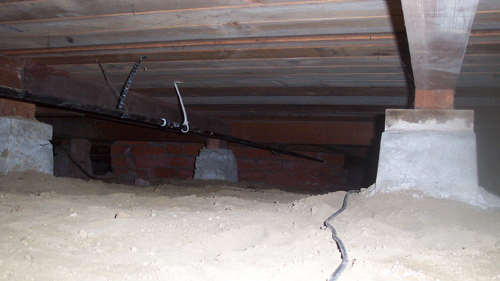
In specific situations involving concrete, masonry, or metal structures, a utility knife may not be able to reach small, tight fragments of plastic trapped in crevices. When trimming is no longer viable, controlled heat application using a small propane tank or MAPP gas torch can be an effective alternative. By applying a localized flame, similar to tools used by plumbers for soldering pipes, professionals can carefully melt away the residual plastic without damaging the non-combustible substrate.
Crucial Fire Safety And Combustibility Warnings
It is vital to exercise extreme caution when using open flames on a job site. A torch should never be used to melt plastic near wood framing, structural lumber, or any other combustible materials. Standard building safety protocols dictate that hot work must be carefully managed to prevent accidental fires. Always assess the surrounding environment, avoid using this method on highly dry or windy days, and practice common sense before introducing a flame to the work area.
Concluding Thoughts On Material Cleanup
Leaving excess plastic exposed can detract from the quality of a finished build, but removing it must be done with structural safety and fire prevention as the primary focus. By utilizing standard cutting tools for general removal and reserving localized heat applications strictly for non-combustible zones, builders can achieve a clean finish without compromising the security of the construction site.
Three Key Tips For Removing Construction Plastic
Always prioritize a sharp utility knife as the primary tool for trimming excess plastic, especially near wood or other combustible building materials.
Utilize a small propane or MAPP gas torch to melt away stubborn plastic fragments only when working strictly around concrete or bare metal assemblies.
Never use an open flame on dry days or near structural lumber, as this introduces severe and unnecessary fire hazards to the construction site.
Further Insights On Construction Plastics And Safety
While the techniques detailed above cover the basic removal of exposed plastic, professionals often encounter broader questions regarding material standards and job site safety protocols. Exploring these deeper considerations ensures your project remains fully compliant with structural engineering principles and building codes.
What Building Code Governs The Thickness Of Plastic Vapor Retarders Under Concrete Slabs?
The International Residential Code requires a specific minimum thickness for plastic vapor retarders placed beneath concrete slabs on grade. According to standard building guidelines, a minimum six-mil polyethylene sheeting must be used, with all joints lapped not less than six inches. This vital barrier prevents soil moisture from migrating upward through the porous concrete, which could otherwise lead to severe indoor humidity issues and compromise finished flooring.
Why Is It Important To Tape Or Seal The Seams Of Plastic Sheeting In A Crawl Space?
Taping the seams of a crawl space vapor barrier is a critical step in moisture control, moving beyond simply laying the plastic flat on the earth. Building science principles dictate that unsealed seams allow active ground moisture to bypass the barrier, potentially leading to structural wood rot in the floor joists above. Standard building practices and unvented crawl space codes mandate overlapping the polyethylene by at least six inches and securing the seam with an approved construction tape to create a continuous, impenetrable boundary.
Are There Specific Fire Safety Codes Regarding Open Flames On A Construction Site?
Yes, using open flames like propane torches on a job site falls under strict hot work safety protocols regulated by the International Fire Code and federal safety guidelines. These codes mandate that the surrounding area must be thoroughly inspected for fire hazards before any flame is ignited. Even when melting plastic off a concrete pillar, stray sparks or convective heat can easily ignite nearby construction debris, making a readily available fire extinguisher and proper clearance from combustible lumber strict regulatory requirements.