Understanding Roof Truss Uplift And Ceiling Drywall Cracks
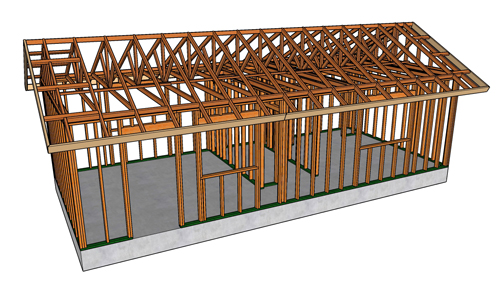
Prefabricated roof trusses are highly engineered systems designed to support immense structural loads, but they can occasionally experience a phenomenon known as truss uplift. This condition typically manifests as cracked drywall or separated joints where interior partition walls meet the ceiling. While it can be alarming to see gaps open up along your ceiling line during certain times of the year, understanding the building science behind this movement is the first step in diagnosing and addressing the issue.
The Science Behind Truss Movement
Truss uplift is primarily driven by seasonal changes in temperature and humidity, particularly in homes with well-insulated attics. During the winter, thick layers of ceiling insulation keep the bottom chord of the roof truss warm and relatively dry. Meanwhile, the upper chord and structural webbing extend above the insulation layer, leaving them exposed to the cold, moist air circulating through the attic space.
As the upper lumber absorbs moisture from the damp winter air, the wood fibers expand and lengthen. Simultaneously, the warm, dry environment of the home causes the bottom chord to shrink slightly. This unequal expansion and contraction forces the entire truss to bow upward in the center. When summer returns, the moisture levels equalize, and the truss typically relaxes back to its original flat position.
Structural Framing And Drywall Separation
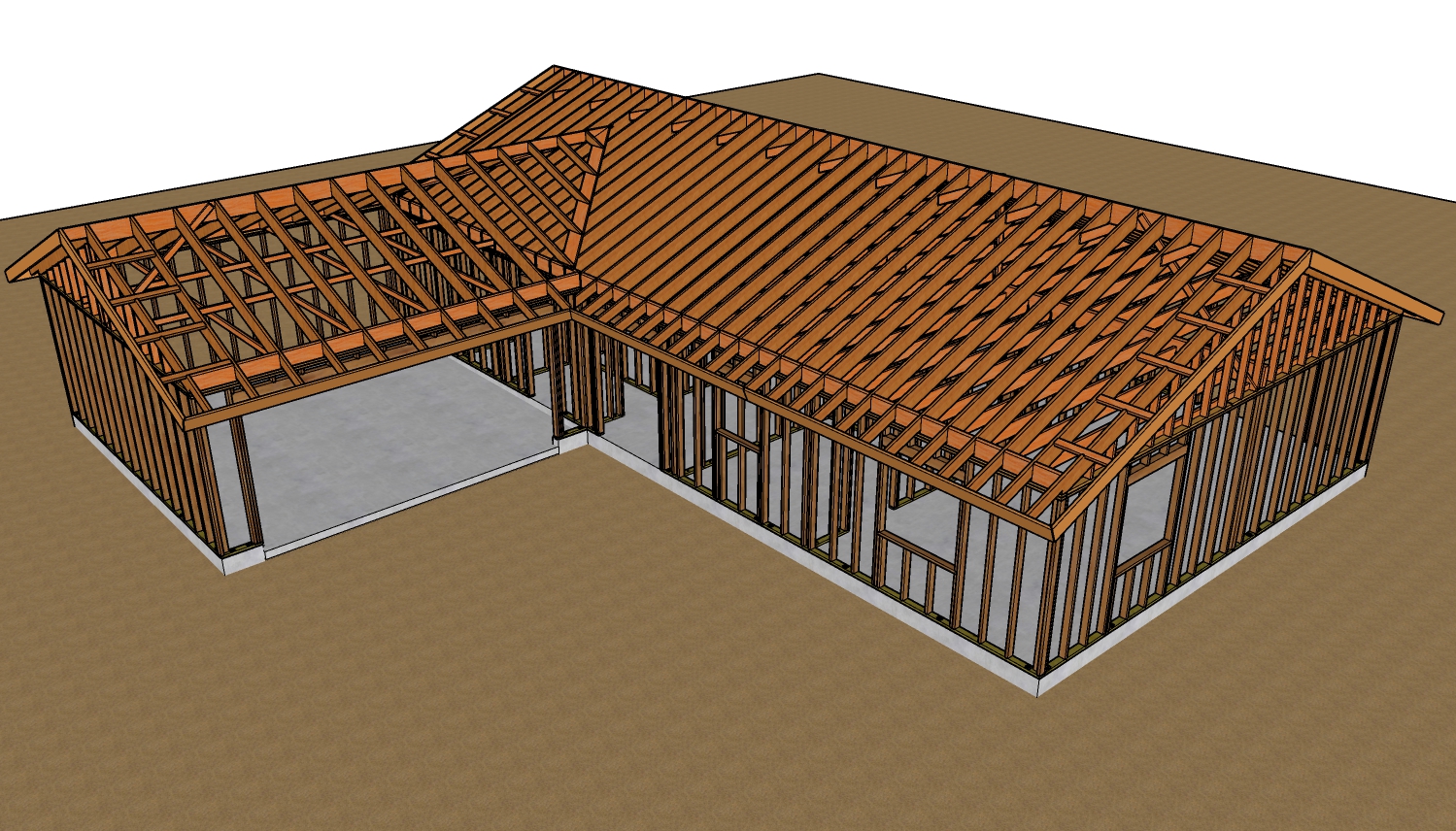
To understand why this movement damages drywall, you have to look at how a home is framed. Roof trusses are anchored securely to the load-bearing exterior walls. However, they span across interior non-load-bearing partition walls. In modern construction, a gap is intentionally left between the top plate of the interior walls and the bottom chord of the truss. This gap is necessary because trusses are engineered to deflect downward slightly under heavy loads, such as a severe winter snow accumulation.
When truss uplift occurs, the center of the truss pulls upward and away from the interior wall plates. If the ceiling drywall is rigidly fastened to both the interior wall top plate and the lifting roof truss, the sheer force of the moving framing will rip the drywall tape, break the compound joint, and create a visible gap in the corner of your room.
Three Key Construction Tips For Truss Uplift
Use Slotted Truss Clips: Never rigidly nail an interior non-bearing partition wall to the bottom chord of a roof truss. Always use code-approved slotted truss clips. These specialty hardware connectors provide critical lateral stability to the interior wall while allowing the roof truss to slide up and down freely as environmental conditions change.
Float The Ceiling Drywall: To prevent drywall cracking, do not install drywall screws into the bottom of the truss within 16 inches of an interior partition wall. Instead, attach the edge of the ceiling drywall to blocking or specialty drywall clips secured to the top plate of the wall. This allows the truss to arch upward safely without pulling the ceiling finish with it.
Maintain Proper Attic Ventilation: While you cannot stop wood from reacting to moisture, proper attic ventilation minimizes severe humidity spikes. Ensure your soffit vents are entirely clear of insulation baffles and that ridge venting meets your local building code requirements to keep air moving and reduce excess moisture accumulation.
Common Questions About Truss Uplift
Are Roof Trusses Damaged Or Weakened When They Experience Uplift?
Beyond the cosmetic damage to drywall, homeowners often wonder if the framing itself is compromised. The answer is no. Truss uplift is a natural physical reaction to environmental changes, not a sign of structural failure or compromised lumber. As long as the trusses were not illegally modified or cut, the upward bowing does not reduce the load-bearing capacity or safety of the roof system.
Can I Just Fix The Cracked Drywall Tape And Patch The Corner?
Once the ceiling gap appears, the immediate instinct is to apply fresh drywall compound and patch the corner, but that is rarely a permanent fix. Because truss uplift is a seasonal cycle, patching the crack in the winter guarantees the drywall will buckle or crush itself when the truss settles back down in the summer. A permanent repair requires removing the ceiling fasteners near the wall and retrofitting the joint with floating drywall hardware or crown molding nailed only to the ceiling.
Does Adding More Attic Insulation Prevent Truss Uplift?
Because temperature differences drive this movement, some assume that upgrading attic insulation is the ultimate cure. Actually, adding deeper insulation that further buries the bottom chord can sometimes exacerbate the temperature differential by completely isolating the bottom lumber from the colder attic environment above. While deep insulation is excellent for energy efficiency, it must be paired with flawless attic ventilation and proper drywall installation techniques to manage the resulting truss movement.