Understanding The Causes Of A Sagging Roof Ridge
A structurally sound home features vertically plumb walls, a uniformly sloping roof surface, and a perfectly straight roof ridge. In an ideal scenario, placing a level against the exterior siding will confirm that the walls are completely vertical and capable of supporting the weight of the structure above. However, structural stress, material degradation, and framing oversights can compromise this geometry, leading to a sagging roof ridge. Identifying the root cause of a roof sag is critical for determining the proper structural intervention and preventing further property damage.
Missing Rafter Ties And Outward Wall Bowing
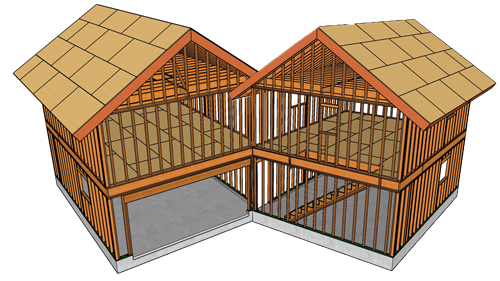
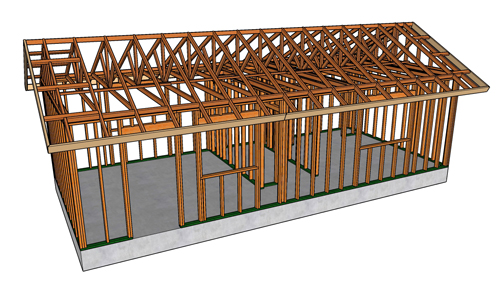
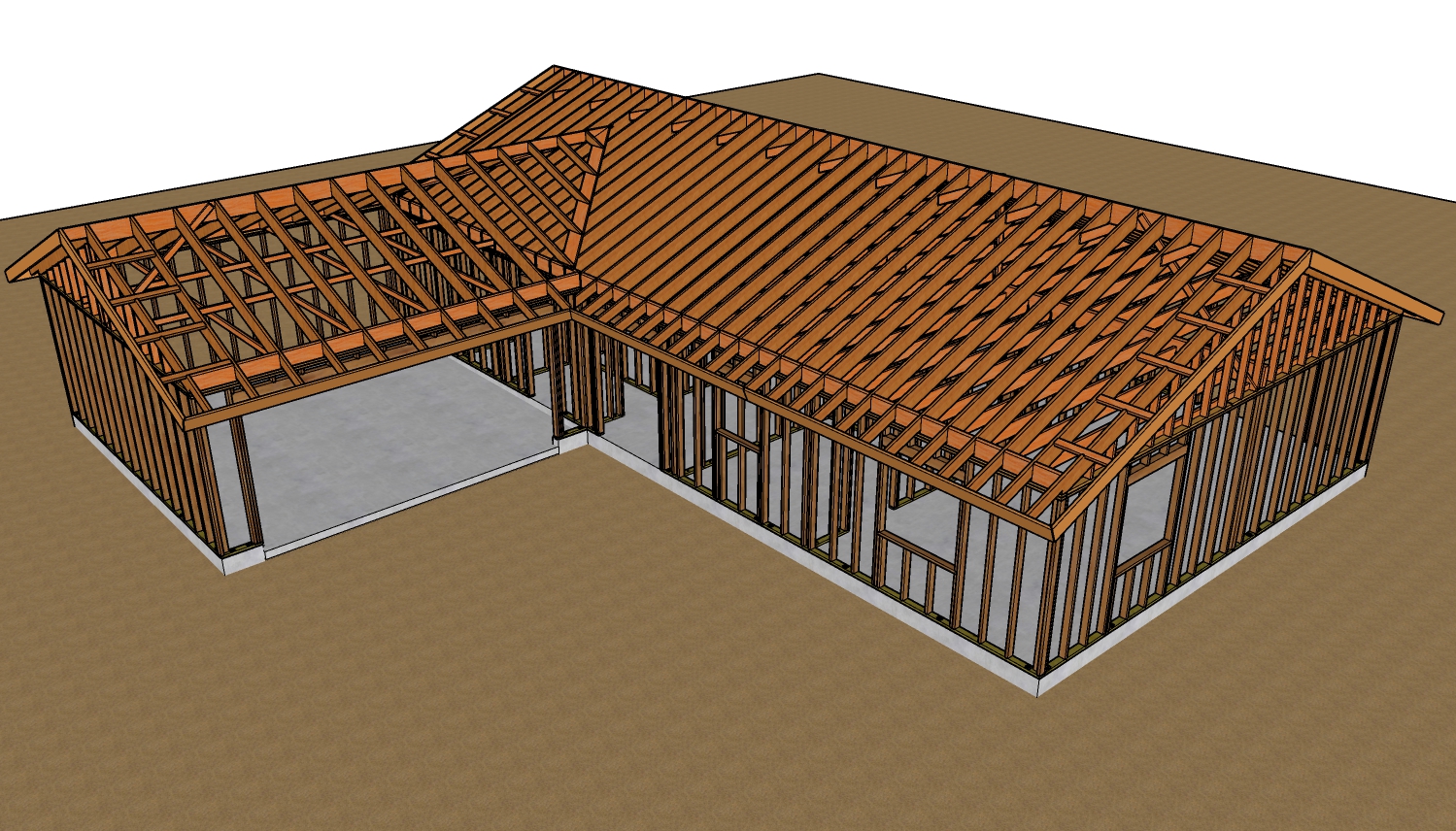
One of the most frequent structural failures leading to a sagging roof ridge is outward wall spread, often caused by a lack of proper rafter ties or ceiling joists. When a roof is framed, the downward force of gravity pushes against the angled rafters. Without horizontal ties spanning the lower portion of the roof framing to lock the structural triangle together, the rafters exert outward thrust against the top plates of the exterior walls.
Over time, this unmitigated pressure bows the walls outward in the center of the building. The gable ends typically remain straight because the solid end-walls provide lateral bracing, but the middle sections will spread, causing the ridge to drop vertically.
Undersized Framing And Material Degradation
In scenarios where a roof ridge is visibly sagging but the perimeter exterior walls remain perfectly plumb, the issue is typically isolated to the internal load paths or the framing materials themselves. This presentation strongly points to structural lumber damage, such as wood rot or termite infestations, which degrades the load-bearing capacity of the wood.
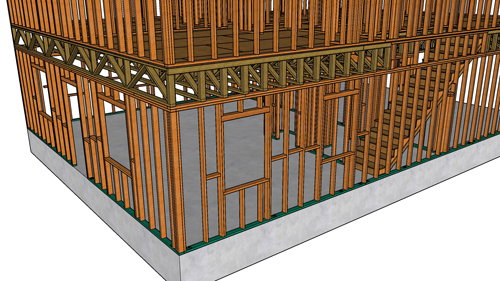
Additionally, this pattern often occurs when undersized lumber was used during construction. For example, if the roof span and load required a two-by-eight rafter but a two-by-six was installed, the timber will deflect under the dead load of the roof over time. Furthermore, if the home features a wood-framed floor system beneath internal load-bearing walls, a sagging floor joist will cause the walls and the roof above it to drop simultaneously.
Foundation Settlement And Exterior Wall Sagging
When diagnosing roof structural integrity, it is vital to trace load paths down to the earth. If a visual inspection reveals a sagging roof ridge, a sagging exterior wall, and a corresponding drop in the building foundation, the roof framing is likely not the primary culprit. This distinct pattern indicates severe foundation damage.
The root cause is typically soil erosion beneath the footings or a foundation that was inadequately designed for the soil bearing capacity and structural loads. In these cases, the walls may actually remain vertically plumb, but they are sinking uniformly into the compromised grade, dragging the roof assembly down with them.
Severe Wall Degradation With A Level Foundation
A rare but critical scenario involves a home with a perfectly level, stable foundation but sagging exterior walls and a sagging roof ridge. This specific geometry serves as a major red flag for severe internal wall degradation, such as catastrophic termite damage or advanced moisture rot within the stud bays. Because the foundation has not moved, the wall framing itself is compressing under the weight of the roof. This type of failure will almost always present alongside visible buckling, cracking, or crushing in the exterior siding or stucco finish.
Conclusion
Visual indicators of structural deflection can be subtle, sometimes sagging only an inch or less before stopping. However, minor aesthetic changes often serve as the earliest warning signs of ongoing structural failure. Diagnosing whether the issue originates from outward roof thrust, undersized rafters, decayed wall studs, or foundation settlement is the first mandatory step toward engineering a permanent, safe structural repair.
Three Actionable Construction Tips For Diagnosing Roof Sag
Check for outward wall thrust first. When inspecting a sagging ridge, always sight down the exterior load-bearing walls. If the walls are bowing outward in the middle but the gable ends are straight, the roof lacks adequate horizontal rafter ties to resist the outward thrust of the rafters.
Verify rafter sizing and lumber condition. If the exterior walls are perfectly plumb but the ridge sags, inspect the attic space. Check for undersized rafters that are bending under the weight of the roofing material, or look for localized damage such as termite activity and wood rot at the ridge board or top plates.
Inspect the foundation to rule out total structural settlement. A roof sag localized over a specific section of the home must be cross-referenced with the foundation directly below it. If the foundation is cracked or sinking in the exact same location, the roof sag is a symptom of foundation failure, not a roof framing defect.
To provide a more comprehensive understanding of roof structural integrity, here are three additional aspects of roof framing not covered in the primary guide.
Does Adding A Heavier Roofing Material Cause A Roof Ridge To Sag?
Yes, altering the roofing material without verifying the structural capacity of the framing can directly cause a roof ridge to sag. Building codes require roof framing to support specific dead loads, which includes the weight of all materials permanently attached to the roof structure. If a home was originally engineered and framed for lightweight asphalt shingles, upgrading to heavier materials like clay tiles, slate, or thick concrete composites can exceed the maximum span rating of the existing rafters, causing them to bow downward and drop the ridge line.
How Does Inadequate Attic Ventilation Contribute To A Sagging Roof?
Improper attic ventilation traps heat and excessive moisture within the roof assembly, which can eventually lead to structural sagging. Standard residential building codes mandate specific ratios of net free ventilating area to prevent condensation on the underside of roof sheathing. When ventilation is blocked or absent, the accumulated winter moisture and summer heat degrade the wood fibers, leading to plywood delamination, mold growth, and eventually wood rot in the rafters and ridge board, severely weakening the structural integrity.
What Role Do Collar Ties Play In Preventing Roof Sag?
Collar ties are often confused with rafter ties, but they serve an entirely different structural purpose. While rafter ties are placed in the bottom third of the roof to prevent outward wall bowing, collar ties are horizontally placed in the upper third of the attic space, connecting opposing rafters near the ridge. Standard building practices require collar ties to resist wind uplift and prevent the rafters from separating at the ridge board during severe weather events. While they keep the peak tightly connected, they do not prevent outward wall spread and therefore cannot independently prevent a roof from sagging due to thrust.