The Hidden Impact Of Water Heater Leaks
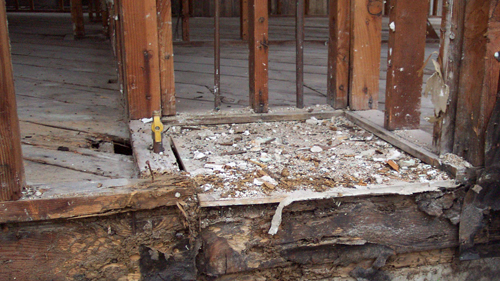
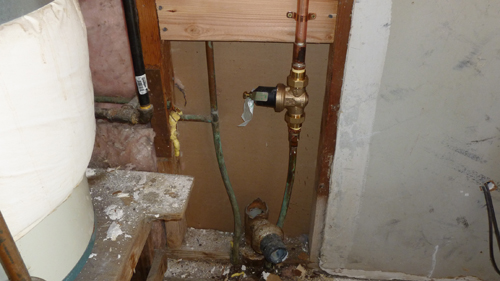
A seemingly minor water heater leak can result in extensive, hidden damage to the surrounding structure of a home. When a small drip persists over time in an enclosed, dark space like a garage, it creates the ideal environment for severe fungal growth and structural degradation. Understanding the anatomy of a water heater platform and the potential for hidden decay is crucial for maintaining both the safety and structural integrity of a residence.
Fire Safety And Platform Construction
In many modern homes constructed after the mid-1970s, water heater platforms are built with a layer of drywall over the wood framing. This is not merely a cosmetic choice but a critical safety feature. The International Residential Code mandates specific fire separation barriers between a garage and the main living spaces. Applying gypsum board to the platform helps maintain this continuous fire-resistant barrier, slowing the spread of flames in the event of a garage fire. When water compromises this drywall, it degrades the fire separation assembly, making immediate replacement with new fire-rated material an absolute necessity.
Discovering Hidden Moisture And Fungal Growth
Surface inspections often fail to reveal the true extent of water damage. A platform may appear structurally sound from the outside, but removing the top layers of saturated drywall or oriented strand board often exposes severe fungal infestations in the framing cavities below. The combination of heat radiating from the appliance, a steady supply of moisture from the leak, and the dark enclosure of the platform creates a perfect incubator for mold and fungi. While some might attempt to clean porous materials with household chlorine bleach, standard remediation protocols dictate removing and replacing deeply contaminated porous building materials entirely to ensure the fungal root systems are eradicated.
Inspecting Critical Structural Components
The most severe consequence of a prolonged leak is the compromise of underlying structural elements. When dismantling a water-damaged platform, it is essential to inspect the adjacent wall framing, shear panels, and mechanical hold-down straps. Shear panels are engineered components designed to resist lateral forces, such as wind or seismic activity. If water delaminates the structural panels or rusts the heavy-duty metal hold-down straps anchoring the walls to the foundation, the home loses vital structural resistance. Catching a leak before it damages these load-bearing and shear-resisting components saves immense foundational repair costs.
Three Key Construction Tips
Prioritize Fire Barrier Integrity: Always replace water-damaged drywall on or around a garage water heater platform with proper 5/8-inch Type X gypsum board if it is part of the fire separation wall. Ensure all seams are properly taped and sealed with joint compound to maintain the continuous fire barrier required by residential building codes.
Replace Contaminated Porous Materials: Do not rely on surface treatments like bleach to sanitize waterlogged oriented strand board, plywood, or drywall. Fungal mycelium penetrates deep into these porous substrates. The only structurally sound and safe remediation method is cutting out the affected materials and rebuilding with dry, untreated lumber.
Verify Shear Wall Fastenings: If water has reached the base plate of the surrounding walls, aggressively inspect the galvanized hold-down straps and the nailing pattern of the structural sheathing. If rust has pitted the metal hardware or the structural panels have swelled and pulled through the nail heads, those components must be replaced by a qualified contractor to maintain the lateral load resistance of the building.
To further protect your home and ensure full compliance with modern building standards, here are a few more critical aspects of water heater installation and maintenance to consider.
Bonus Questions And Answers
Do I Need A Drain Pan Under My Water Heater?
Yes, a drain pan is essential and frequently required by standard building codes. The International Residential Code requires a watertight pan placed beneath water heaters installed in locations where a leak could cause property damage. This pan must be constructed of galvanized steel or other approved materials and must drain to an appropriate exterior location through a minimum 3/4-inch pipe. This simple plumbing measure prevents the exact type of hidden platform and framing damage caused by slow, unnoticeable leaks.
Why Do Some Water Heaters Need To Be Elevated Above The Garage Floor?
Historically, residential building codes required all ignition sources, including the burners of gas water heaters, to be elevated at least 18 inches above the garage floor. This code prevents heavy, flammable vapors from spilled gasoline or chemicals from reaching the open flame and causing an explosion. While most modern gas water heaters are now constructed with Flammable Vapor Ignition Resistant technology that may allow them to sit directly on the floor depending on local jurisdiction, elevating the unit on a platform remains a widely accepted best practice to protect it from physical vehicle impacts and minor garage flooding.
Are Seismic Straps Required For Water Heaters?
In areas prone to earthquakes, seismic strapping is a strict requirement governed by local adoptions of the plumbing and residential codes. A heavy, water-filled tank can easily tip over during a seismic event, instantly causing massive water damage and potentially fracturing the gas supply line, which poses a severe fire hazard. Standard structural safety regulations require two heavy-gauge metal straps anchoring the tank to the structural wall framing, with one strap located in the upper one-third of the tank and the other in the lower one-third.