The Hidden Dangers Of Undetected Plumbing Leaks
Water damage is one of the most destructive forces inside a residential structure, and its most severe consequences often stem from plumbing leaks that remain hidden from daily view. Enclosed spaces beneath sinks, behind appliances, and inside cabinetry create ideal environments for moisture to accumulate unnoticed. When a pipe failure occurs in these concealed areas, the resulting water intrusion can compromise cabinetry, subflooring, and adjacent structural framing long before a homeowner realizes a problem exists.
The Problem With Galvanized Drain Pipes
Many older homes were constructed using galvanized steel piping for their plumbing systems. While durable on the outside, galvanized pipes are highly susceptible to internal corrosion over decades of use. Wastewater and trapped sewer gases degrade the protective zinc coating on the interior of the pipe. Eventually, the steel rusts completely through, typically at the bottom of horizontal pipe runs where resting moisture sits. This creates massive holes that allow wastewater to pour directly into the surrounding cabinet and floor structure every time the fixture is utilized.
Identifying The Warning Signs Of A Hidden Leak
Because visual confirmation is often blocked by doors and stored household items, the first indication of a severe under-sink leak is frequently olfactory. As wastewater saturates the surrounding wood and stagnant moisture breeds bacteria and mold, a distinct, foul odor will permeate the room. Any unexplained musty or sewage-like smells in a kitchen, bathroom, or laundry area should be treated as an immediate warning sign requiring thorough investigation.
The Importance Of Routine Visual Inspections
Preventative maintenance is the most effective defense against catastrophic water damage and expensive structural repairs. Homeowners should develop a habit of inspecting high-risk plumbing zones on a regular basis. A simple check behind stored cleaning supplies can reveal early signs of moisture, such as damp wood, peeling cabinet finishes, or active dripping. Identifying and repairing a compromised pipe early prevents the need for extensive environmental remediation later.
Three Key Construction And Maintenance Tips
Perform Routine Visual Inspections
Do not wait for a major structural failure to check your plumbing. Whenever you open a cabinet to retrieve cleaning detergents or personal care products, take a few seconds to visually inspect the pipes, the floor of the cabinet, and the surrounding walls for any signs of moisture, rust, or discoloration.
Investigate Unfamiliar Odors Immediately
Foul smells emanating from a kitchen or bathroom are rarely harmless. If you detect a lingering, unpleasant odor, it is highly likely that a pipe has failed and wastewater is accumulating in a hidden cavity. Investigate the source of the smell immediately to halt further deterioration of your building materials.
Monitor All High Risk Water Zones
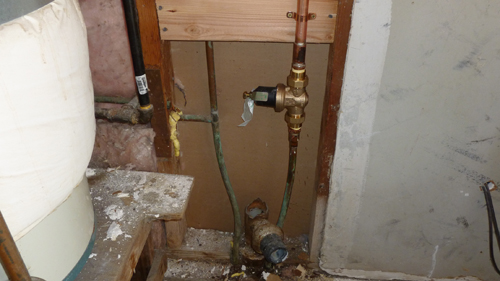
Sinks are not the only areas vulnerable to hidden plumbing failures. Apply the same rigorous inspection standards to the spaces around and beneath water heaters, washing machines, and dishwashers. These appliances harbor concealed connections that can easily leak over time and destroy the underlying floor joists.
Bonus Questions And Answers
To further expand on the principles of residential plumbing maintenance and building safety, here is a deeper look at the mechanics behind plumbing failures and how to address them properly.
Why Do Galvanized Steel Drain Pipes Corrode From The Inside Out?
Galvanized steel pipes are coated with a layer of zinc to prevent rusting, but this coating is not permanent. In drain lines, the constant flow of wastewater, combined with corrosive hydrogen sulfide gases naturally present in sewer systems, slowly eats away at the internal zinc layer. Once the bare steel is exposed to moisture and oxygen, it rusts aggressively. Because gravity pulls the resting water to the bottom of horizontal pipe runs, the bottom is almost always the first section to rot away, creating a hidden leak while the top of the pipe appears perfectly intact.
What Material Does The Building Code Recommend For Drain Pipe Replacements?
When replacing a failed galvanized drain pipe, modern construction standards outlined in the International Residential Code specify the use of approved plastics or cast iron for Drain, Waste, and Vent systems. Polyvinyl Chloride and Acrylonitrile Butadiene Styrene are the current residential industry standards. These materials are heavily favored by building professionals because they are entirely immune to the rust and galvanic corrosion that destroys metal pipes, and their smooth interior walls reduce the likelihood of debris buildup.
How Can A Hidden Cabinet Leak Affect The Structural Integrity Of A Floor?
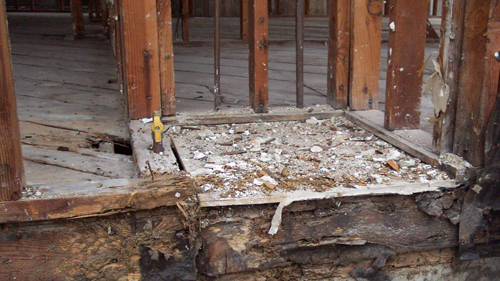
When a drain pipe leaks inside a cabinet, the water does not just damage the immediate woodwork. The moisture eventually seeps through the base of the cabinetry and saturates the wooden subfloor beneath. Prolonged exposure to moisture allows wood-decay fungi to thrive, leading to dry rot. Over time, the structural panels and the underlying floor joists can lose their load-bearing capacity, requiring extensive demolition and structural framing repairs to restore the safety and stability of the floor system.